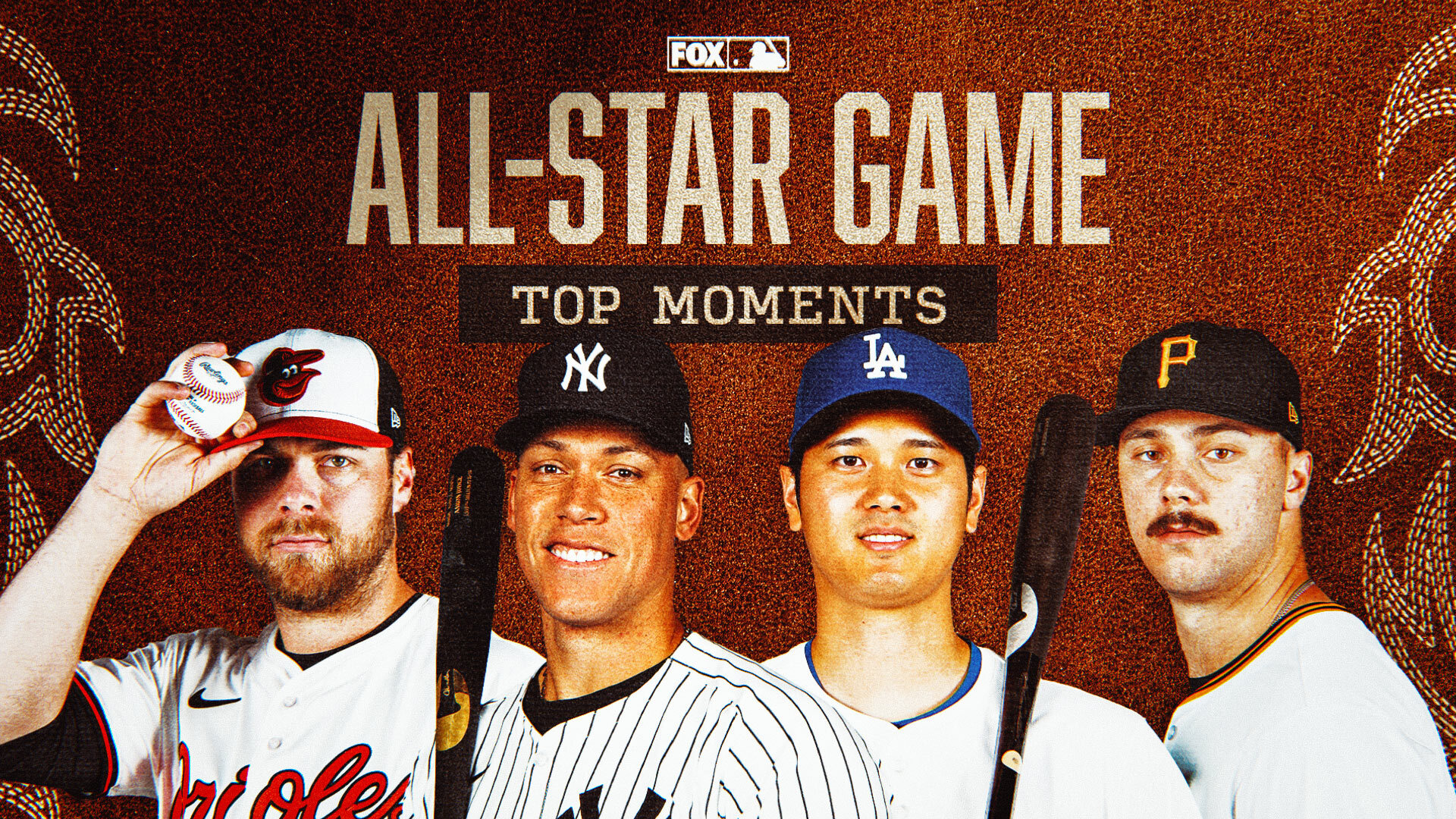
The Midsummer Classic holds a unique place in the baseball calendar, a pause in the relentless grind of the regular season where rivalries are momentarily set aside for a grand exhibition of the game’s finest talents. The 2010 MLB All-Star Game, hosted at Angel Stadium of Anaheim, was no exception, offering a snapshot of a league in flux, showcasing both emerging stars and established legends. Beyond the final score, this particular contest presented numerous facets that captivated fans, from significant individual milestones to a broader narrative of league dominance, hinting at the deeper currents that define America’s pastime.
1. A Familiar Narrative: American League Dominance Continues
By 2010, the American League had firmly established its supremacy in the All-Star series, riding a remarkable winning streak that stretched back to 1997 (excluding the 2002 tie). This consistent victory wasn’t just about a single game; it became a talking point every year, a testament to the AL’s collective power and a recurring source of frustration for National League loyalists. The 2010 game, with its decisive 3-1 outcome, simply reinforced this long-standing observation, deepening the sense of an AL power era.
2. Joe Torre’s Valedictory All-Star Performance
Managing the National League squad was Joe Torre, a figure revered across baseball, particularly by those who remember his Yankees dynasty. This marked his final All-Star Game as a manager, adding a poignant layer to the event. Watching Torre in the dugout, guiding an NL roster brimming with talent, felt like acknowledging a legendary career, a subtle nod to his enduring legacy even as he stood on the losing side.
3. Phil Hughes’s Inaugural All-Star Nod
For Yankees fans, the sight of a young Phil Hughes toeing the rubber in an All-Star Game was a moment of pride and anticipation. Hughes, in the midst of a breakout season, represented the exciting future of the Yankees’ rotation. His inclusion was more than just a roster spot; it symbolized the successful development within the organization and offered a glimpse of the next generation ready to take the mound alongside established aces.
4. Derek Jeter: The Perpetual All-Star Standard
Derek Jeter’s presence in the starting lineup was almost a given by 2010, a testament to his consistent excellence and unwavering popularity. The Captain’s steady hand at shortstop, his quiet leadership, and his fundamental approach to the game provided a comforting sense of normalcy amidst the flash and spectacle. He wasn’t just an All-Star; he was an institution, a bridge between eras.
5. Robinson Canó’s Ascension to Starter Status
While Jeter was a fixture, Robinson Canó’s selection as a starting second baseman for the AL was a significant marker of his arrival as a true superstar. Canó had been building towards this, showcasing his smooth swing and formidable defense. His All-Star start solidified his place among the league’s elite, offering Yankees fans and baseball observers alike a confirmation of his burgeoning superstardom.
6. Brian McCann’s Unlikely MVP Heroics
The game’s Most Valuable Player award went to Brian McCann, the Atlanta Braves catcher, for his clutch two-run double in the seventh inning. It’s often the sluggers or ace pitchers who grab the headlines, but a catcher delivering the decisive blow highlights the depth of talent across all positions. McCann’s moment was a reminder that in the All-Star Game, any player can step up and etch their name into history.
7. David Ortiz’s Resurgent All-Star Selection
David Ortiz’s inclusion on the AL roster was met with some debate, given a somewhat slow start to his 2010 season. However, his strong second quarter and undeniable track record as a clutch performer resonated with fans. His selection highlighted the balance between current performance and career achievement that often dictates fan voting, and ultimately, Ortiz delivered a solid showing, validating his enduring appeal.
8. Roy Halladay’s Return to the National League Stage
Having been a dominant force in the AL for years with the Blue Jays, Roy Halladay’s All-Star appearance for the National League Phillies felt significant. It marked his successful transition to a new league and immediately established him as the ace of the NL’s pitching staff. His presence underscored the constant movement of talent in MLB and the quick adjustments true greats make to their surroundings.
9. Felix Hernandez’s First All-Star Start
“King Felix” Hernandez, then the ace of the Seattle Mariners, earned his first All-Star start for the American League. This was a moment many had anticipated for years, recognizing his singular talent on a team often overlooked. His selection to open the game was a powerful acknowledgment of his standing as one of baseball’s most electrifying and dominant pitchers, even without consistent team success.
10. The Significance of Home Field Advantage
At the time, the All-Star Game still carried the weight of determining home-field advantage for the World Series, a controversial but impactful rule. This added a layer of strategic tension to an otherwise exhibition game. Knowing that the outcome could directly influence the Fall Classic certainly heightened the stakes for both players and fans, moving beyond mere bragging rights.
11. Pitching Dominance in a Low-Scoring Affair
The final score of 3-1 was indicative of a game dominated by pitching from both leagues. The parade of aces and top relievers on display kept bats quiet for much of the night. This low-scoring affair underscored the immense talent on the mound, a testament to the finely tuned artistry of modern pitching that often goes unheralded in an era obsessed with home runs.
12. The Gathering of Future Hall of Famers
Looking back, the 2010 All-Star Game was a veritable who’s who of future Hall of Famers. From Mariano Rivera and Derek Jeter to Albert Pujols and Ichiro Suzuki, the field was littered with players whose careers would define an era. The game served as a living museum, allowing fans to witness greatness converging on a single diamond, a fascinating collection of baseball immortality in the making.
13. The Atmosphere of Angel Stadium
Hosting the Midsummer Classic provides a unique energy for the home park and its fan base. Angel Stadium was buzzing, showcasing the passion of Southern California baseball fans. Beyond the game itself, the host city’s enthusiasm and the celebration surrounding the event are an integral part of the All-Star experience, offering a different flavor each year.
14. A Reflection of League-Wide Trends
The 2010 game, with its mix of power hitters, dominant pitchers, and agile fielders, offered a subtle reflection of the strategic trends shaping baseball at the time. It wasn’t a wild slugfest, nor was it entirely small-ball. Instead, it was a showcase of balanced rosters, hinting at the evolving blend of skills that front offices were prioritizing across the league.
15. The Enduring Appeal of the Midsummer Classic
Despite debates about its format or relevance, the All-Star Game continues to captivate. It offers a rare chance to see the absolute best compete, albeit in a relaxed setting, and provides a valuable break in the season. The 2010 edition, like so many before and after it, solidified the observation that regardless of the year, the allure of seeing baseball’s brightest stars shine together remains an irresistible draw for fans.