Thirty-one years can feel like an eternity in the world of professional sports, and looking back at Major League Baseball in 1993 reveals a landscape profoundly different from the one we navigate today. It was a league on the cusp of significant change, yet still firmly rooted in traditions that now seem like relics. From the prevailing strategies on the field to the economic realities off it, the game was evolving, with some trends just beginning to emerge and others fading into the rearview mirror. For fans who lived through it, 1993 holds a unique place, a snapshot of baseball before the internet revolutionized access, before advanced analytics dominated decisions, and before the steroid era cast its long shadow. It was a season of champions, emerging dynasties, and the quiet prelude to a tumultuous period in the game’s history.
1. The Reign of the Blue Jays
The 1993 season culminated in the Toronto Blue Jays securing their second consecutive World Series title, a feat that had not been accomplished since the 1977-78 Yankees. This marked the zenith of a truly dominant era for the franchise, led by a potent mix of veteran talent like Paul Molitor and Dave Winfield, alongside consistent stars like Joe Carter and Roberto Alomar. Their triumph over the Philadelphia Phillies in an exhilarating six-game series, capped by Carter’s walk-off home run, served as a definitive moment for a team that exemplified a powerful, disciplined approach to the game, something rarely seen from an expansion-era franchise in consecutive years.
2. A League Without Wild Cards
Perhaps the most significant structural difference was the absence of the Wild Card playoff berth. The league consisted of only four divisions (two in each league), and only the division winners advanced to the postseason. This created an intense focus on winning the division outright, often leading to thrilling pennant races where second place, regardless of record, meant missing the playoffs entirely. The stakes felt incredibly high in every divisional contest, and the path to the World Series was a direct, unforgiving one.
3. The Looming Shadow of Performance Enhancers
While the full impact and controversy of the “Steroid Era” would unfold later in the decade, 1993 saw the nascent stages of an offensive explosion and a physical transformation among some players that would eventually become a major talking point. Batting averages and home run totals were starting to climb, and while not yet widely scrutinized, the signs of a shift in player physique and power output were subtly beginning to emerge, setting the stage for future debates and rule changes.
4. Economics of the Game: Salaries Then vs. Now
Player salaries in 1993, while substantial for the time, pale in comparison to today’s figures. The highest-paid players earned in the range of $5-6 million annually, a fraction of the nine-figure contracts that are now commonplace. The economics of the game were still heavily reliant on gate receipts and local broadcast deals, with national revenue sharing mechanisms not yet as robust or impactful as they are currently. This reflected a different era of team building and financial management.
5. Pitching Prowess Defined the Era
Despite the subtle shift in offense, 1993 was still a golden age for starting pitching. Cy Young winners Greg Maddux (NL) and Jack McDowell (AL) showcased dominant seasons, but they were part of a larger group of aces including Randy Johnson, John Smoltz, Tom Glavine, Roger Clemens, and David Cone. These pitchers regularly worked deep into games, often completing games, a practice that has largely disappeared from modern baseball. Their command and durability were cornerstones of their respective teams.
6. The Rise of the Atlanta Braves Dynasty
While the Blue Jays captured the title, the Atlanta Braves were in the midst of establishing one of baseball’s most enduring dynasties. Having won the National League pennant in 1991 and 1992, they continued their division dominance in 1993, winning 104 games. Their pitching triumvirate of Maddux, Glavine, and Smoltz was beginning to gel into an unassailable force, setting the foundation for an unprecedented run of division titles that would stretch into the next century.
7. The New York Yankees’ Crossroads
For Yankees fans, 1993 was a year of anticipation rather than triumph. The team, under manager Buck Showalter, finished second in the AL East with an 88-74 record, a significant improvement from previous seasons. Key players like Don Mattingly, Bernie Williams, and Danny Tartabull formed the core, but the true brilliance of the ‘Core Four’ (Jeter, Rivera, Pettitte, Posada) was still gestating in the minor leagues. It was a season that hinted at the greatness to come, a transitional period for the Bronx Bombers as they rebuilt towards a future dynasty.
8. Ballparks and Their Evolution
The influence of Oriole Park at Camden Yards, which opened in 1992, was just beginning to reshape stadium architecture. While many teams still played in multi-purpose concrete behemoths (like the original Yankee Stadium and Shea Stadium), the trend towards retro-classic, downtown ballparks was gaining momentum. This shift emphasized a more intimate fan experience, connecting stadiums to their urban environments, a stark contrast to the cookie-cutter venues of previous decades.
9. The Enduring Power of Small Ball
While home runs were on the rise, small ball strategies remained a prevalent and respected aspect of the game. Bunting, hit-and-runs, and stolen bases were frequently employed tactics to manufacture runs, reflecting a deeper strategic chess match between managers. This approach was less about hitting for maximum power and more about disciplined at-bats and moving runners, a philosophy that has gradually given way to the ‘three true outcomes’ approach favored by analytics today.
10. Technology’s Modest Role
Data analysis in 1993 was rudimentary compared to the sophisticated sabermetrics of today. Front offices relied heavily on scouting reports, traditional statistics, and intuition. Player tracking technology, advanced video analysis, and real-time data streams were non-existent. The game was largely analyzed through the box score and the trained eye, making for a different kind of strategic discourse and player evaluation.
11. The Montreal Expos’ Unfulfilled Promise
The Montreal Expos were a burgeoning force in the National League, showcasing a roster brimming with talent, including young stars like Larry Walker, Marquis Grissom, and Moises Alou, alongside veteran aces like Ken Hill and John Wetteland. They finished second in the NL East in 1993, signaling their potential. Tragically, their promising trajectory would be derailed by the 1994 strike and subsequent financial woes, eventually leading to their relocation, making 1993 a bittersweet memory for their fans.
12. Veteran Legends’ Final Bows
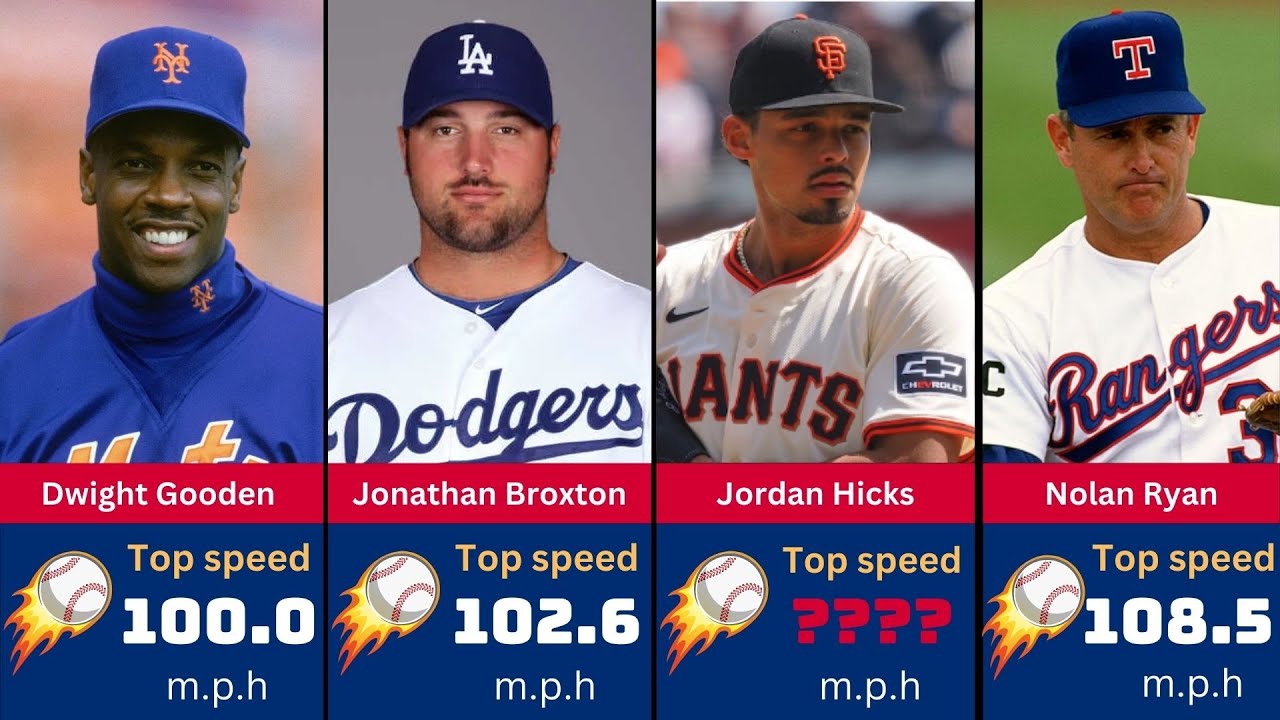
The 1993 season saw several iconic players nearing the end of their storied careers. Nolan Ryan, at age 46, pitched his final season, leaving behind an unparalleled legacy of strikeouts and no-hitters. George Brett and Robin Yount also made their final appearances, concluding Hall of Fame careers. Their presence on the field represented a link to previous generations of baseball, embodying a different era of longevity and consistent excellence.
13. Rules of the Game: A Different Pace
The pace of play in 1993 was inherently different. There were no pitch clocks, fewer mound visits by managers or coaches (often only for pitching changes), and certainly no instant replay. Umpire calls were final, leading to more heated arguments but also a smoother flow to the game. The absence of modern mechanisms designed to speed up play meant a more deliberate, less fragmented rhythm to the contests.
14. The Impending Labor Strife
Beneath the surface of on-field competition, labor tensions between the players’ union and team owners were escalating. The groundwork for the devastating 1994 strike, which would ultimately cancel the World Series, was being laid. This underlying conflict cast a shadow over the game, hinting at the significant disruptions that would soon affect the league and its fans.
15. Minor League Development: A Slower Burn
The path for prospects to reach the major leagues was often longer and less glamorous in 1993. There was less media hype surrounding minor league talent, and player development was generally a more gradual process. Players typically spent more time honing their skills in the lower ranks, a contrast to today’s fast-tracking of top prospects who often spend only a year or two in the minors.
16. Media Landscape: Newspapers and Broadcast Dominance
Information about MLB was primarily disseminated through newspapers, radio broadcasts, and television (SportsCenter was growing in prominence). The internet was not a mainstream source of news, and real-time updates were a distant dream. Fans consumed baseball news through daily print editions, evening news reports, and live radio calls, creating a more delayed and perhaps more intimate connection to the game.
17. Uniform Aesthetics: A Simpler Time
MLB uniforms in 1993 generally featured more classic, understated designs. Exaggerated logos, intricate piping, and multiple alternate jerseys were far less common. Teams largely stuck to their traditional home whites, road grays, and a single colored jersey. This reflected a less commercialized approach to branding, focusing more on the timeless identity of each franchise.
18. The Untapped Talent Pool
While legends were retiring, the future stars of the game were still years away from their major league debuts. Derek Jeter, Mariano Rivera, Alex Rodriguez, Albert Pujols, and countless other icons of the late 90s and early 2000s were either still in high school, just entering the minor leagues, or yet to be drafted. The raw potential that would shape the next era of baseball was brewing, unseen, in various corners of the country and beyond.