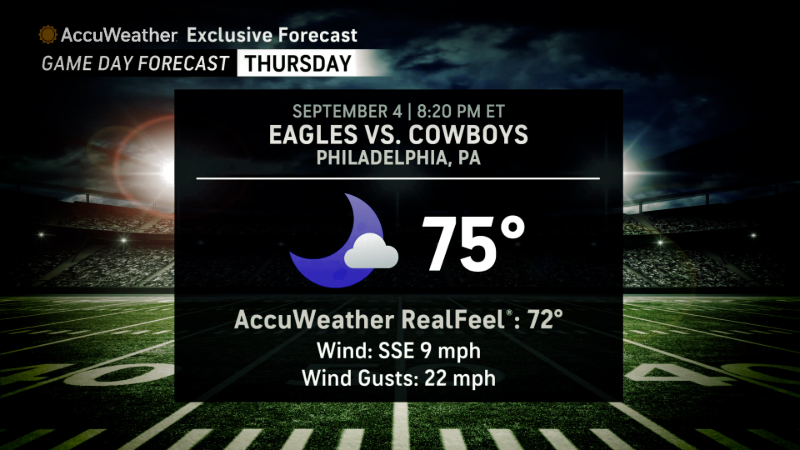
As the first pitch approaches, the weather often becomes as much a topic of discussion as the starting lineups or recent team performance. From how a blustery wind might carry a fly ball to the potential for a mid-game rain delay, Accuweather’s detailed forecasts provide invaluable insights for players, coaches, and dedicated fans alike. Understanding these elements can not only enhance your viewing experience but also offer a deeper appreciation for the strategic nuances influenced by Mother Nature. Here’s a breakdown of the critical weather content you can expect from tonight’s Accuweather game forecast.
1. Overall Game Day Outlook
Before diving into the granular details, Accuweather will typically provide a comprehensive summary of the day’s expected weather narrative. This top-level view offers an immediate understanding of the general conditions from morning to evening, setting the stage for what to anticipate around game time. It’s the broad strokes painting the picture of whether we’re in for a beautiful night for baseball or if we should be preparing for potential atmospheric challenges.
2. First Pitch Temperature
The exact temperature at the scheduled first pitch is a highly anticipated detail. This metric gives players an immediate reference for what they’ll be stepping into and helps fans decide on appropriate attire. Will it be a brisk evening requiring a jacket, or a balmy summer night where short sleeves suffice? This specific temperature can also subtly influence early game strategies, particularly for pitchers getting a feel for the ball.
3. In-Game Temperature Progression
Baseball games are long, and temperatures can shift significantly over three-plus hours. Accuweather’s forecast will often detail the expected temperature changes hour-by-hour or by innings segments. Understanding if the temperature will drop sharply or remain stable throughout the game is crucial for player comfort, fan planning, and even how the ball might carry as the air cools and becomes denser.
4. Wind Speed and Direction
Perhaps no weather factor influences baseball more directly than wind. Accuweather will provide precise wind speeds, often in miles per hour (mph), and critical direction indicators (e.g., “blowing out to center field,” “blowing in from left field,” “crosswind”). This data is vital for analyzing potential home run trajectories, outfielders’ positioning, and even pitchers’ ability to control breaking balls, especially those with significant movement.
5. Chance of Pre-Game Precipitation
The risk of rain before the gates even open is a major concern, potentially leading to delayed starts or, in worse cases, outright postponements. Accuweather’s percentage chance of precipitation, along with predicted start and end times for any rain, helps fans and teams prepare. Ground crews, in particular, pay close attention to this to protect the playing surface.
6. Chance of In-Game Precipitation
Nothing disrupts the rhythm of a baseball game quite like a rain delay. The forecast will highlight the likelihood of rain once the game is underway, often breaking it down by specific innings or hours. A high percentage indicates potential delays, while a low one offers assurance of uninterrupted play, allowing everyone to focus solely on the action on the diamond.
7. Specific Precipitation Types
Beyond just “rain,” Accuweather differentiates between various types of precipitation. Drizzle might be playable, a steady rain could lead to delays, and thunderstorms bring lightning risks, forcing immediate stoppages. Knowing whether to expect light showers or heavy downpours is crucial for assessing the severity of any potential weather impact.
8. Humidity Levels
Humidity is a less obvious but significant factor. High humidity can make warm temperatures feel even hotter, impacting player stamina and comfort. More importantly for the game itself, humid air is denser and can slightly suppress ball flight, potentially turning would-be home runs into long flyouts. Accuweather will quantify this with percentage readings.
9. Dew Point
Often reported alongside humidity, the dew point indicates the temperature at which the air becomes saturated and dew forms. A higher dew point signifies more moisture in the air. For pitchers, this can affect their grip on the ball, potentially leading to more slippery conditions, even without active rain. It’s a subtle but important detail for competitive play.
10. Cloud Cover
Will it be a sunny evening, partly cloudy, or completely overcast? Accuweather’s cloud cover predictions are important for player visibility, especially during day games or twilight conditions. Bright sun in an outfielder’s eyes can be problematic, while consistent cloud cover provides more uniform lighting and often more stable temperatures.
11. UV Index
For afternoon games or early evening starts during the summer months, the UV index provides critical information regarding sun exposure. While perhaps more relevant for fans planning their sunscreen usage, it also offers a general indicator of sun intensity which can impact player comfort and visibility over several hours on the field.
12. Sunrise/Sunset Times
In certain situations, particularly for afternoon games that extend into the evening or early evening starts, the precise sunrise or sunset times are relevant. The changing light conditions, especially as the sun dips below the stadium roofline, can create challenging shadows across the infield or directly into a hitter’s eyes, adding another layer of complexity to play.
13. Impact on Pitching Strategies
Beyond raw data, a good forecast analysis will interpret how these conditions might influence pitching. For instance, a strong tailwind could encourage fastball usage over breaking balls that might get lost, while cold temperatures can make it harder for pitchers to get a good grip or generate fastball velocity. These analyses provide a strategic lens for the numbers.
14. Impact on Hitting Performance
Just as pitching is affected, hitting strategy and ball flight are critically tied to weather. A wind blowing out to the outfield significantly enhances home run potential, while a stiff breeze blowing in can turn majestic drives into routine fly balls. Humidity and temperature also play roles in how far a batted ball will travel, a key element for offensive planning.
15. Impact on Fielding and Ball Movement
Outfielders constantly battle wind, needing to adjust their routes to fly balls based on its direction and strength. Infielders, too, must contend with wet ground conditions if there’s been rain, which can alter how ground balls skip and roll. Accuweather’s detailed wind and precipitation forecasts are invaluable for fielders anticipating play.
16. Player Comfort and Performance
Extreme temperatures, whether scorching heat or biting cold, can significantly affect player stamina, focus, and overall performance. High humidity adds to heat stress, while cold weather can stiffen muscles and reduce flexibility. The forecast gives an indication of the physical demands players will face, which can influence managerial decisions like pinch-hitting or bullpen usage.
17. Fan Experience Considerations
Accuweather forecasts aren’t just for the players; they are crucial for the tens of thousands of fans in attendance. Beyond simply knowing whether to bring an umbrella, detailed temperature and wind forecasts help fans dress appropriately. Awareness of potential delays or extreme conditions allows for better planning, ensuring a more enjoyable and comfortable experience at the ballpark.
18. Stadium Specific Microclimates
Some ballparks, due to their unique architectural design or geographic location, can create microclimates that differ from the general surrounding area. While not always explicitly stated in a general forecast, expert analyses often factor in how the stadium itself might funnel wind, trap heat, or otherwise modify the broader weather conditions for those inside the venue. Yankee Stadium, with its open nature, is particularly susceptible to these influences, making wind a perennial factor.
19. Potential for Weather-Related Delays or Postponements
Ultimately, one of the most critical pieces of information from an Accuweather forecast is the probability and nature of game interruptions. This isn’t just a simple rain chance; it’s an assessment of whether conditions will necessitate a delayed start, an in-game suspension, or even a full postponement. For fans traveling to the game, this information is paramount for planning their day.