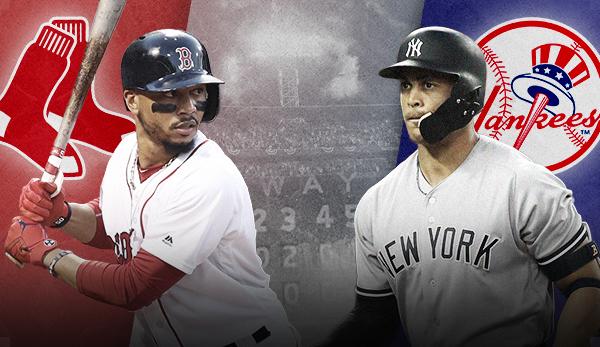
In the vast landscape of sports advertising, certain commercials transcend mere product promotion to become cultural touchstones, etched into the collective memory of fans. The ESPN Sunday Night Baseball campaign, known for its creative and often humorous player interactions, delivered one such gem involving then-Yankees outfielder Nick Swisher and Red Sox pitcher Clay Buchholz. This particular commercial didn’t just sell a broadcast; it sparked a digital rivalry, posed a playful challenge, and offered a fascinating glimpse into the competitive psyche of MLB stars. Let’s delve into the layers of this memorable advertisement, exploring the questions it raised and the challenges it subtly—or not so subtly—introduced.
1. The Unexpected Living Room Interruption
The commercial opens with a seemingly mundane scene: Clay Buchholz, off the field, relaxing and watching ESPN Sunday Night Baseball. It’s a relatable moment for any avid fan or even a player unwinding. But then, the screen flickers, and the ordinary gives way to the extraordinary. This initial setup immediately begs a playful question: How often do our favorite athletes truly get to just *watch* the game without becoming part of the narrative? And what happens when the game decides to watch — and talk back — to them?
2. A Rival’s Digital Intrusion
Suddenly, Nick Swisher, clad in his Yankees pinstripes, appears on Buchholz’s television screen, seemingly aware of the Red Sox pitcher’s presence in his living room. This digital crossing of the fourth wall introduces an immediate, albeit simulated, challenge. It’s not just a commercial; it’s a direct confrontation. The playful question here becomes: Is any place truly safe from the intense Yankees-Red Sox rivalry, even the quiet solitude of one’s own home? Can the competitive spirit of an opponent now leap through the screen?
3. The Iconic “Swishalicious” Greeting
Swisher’s personality, a blend of exuberance and infectious energy, is perfectly encapsulated by his catchphrase, “Swishalicious!” As he delivers it from the TV, it serves not just as an introduction but as a declaration of presence and intent. This leads to a playful challenge for the viewer: Can you watch this commercial without that phrase getting stuck in your head? And for Buchholz, does hearing that familiar, slightly irritating (from a rival’s perspective) mantra spark a deeper competitive fire, even when he’s off-duty?
4. Challenging the Comfort Zone of an Ace
Buchholz’s initial reaction is a mix of surprise and bewilderment. He’s a professional athlete, accustomed to high-pressure situations, but this is a unique brand of psychological warfare. The commercial playfully asks: What does it take to truly rattle a seasoned pitcher when he’s not even on the mound? And does the unexpected, almost supernatural, appearance of a rival pose a different, more unsettling kind of challenge than a fastball down the middle?
5. The Pitcher’s Internal Monologue of Doubt (or Determination?)
While Buchholz doesn’t speak much in the commercial, his expressions convey a great deal. There’s a moment of processing, perhaps even annoyance, before a subtle shift towards determination. The playful question arises: Is he internally scoffing at Swisher’s digital taunts, or is a seed of genuine competitive resolve being planted? Does this seemingly lighthearted interaction actually fuel a deeper desire to dominate his rival the next time they meet?
6. The Power of Perceived Proximity
The commercial’s genius lies in making it appear as though Swisher is directly addressing Buchholz from within his home, almost like a ghostly apparition of rivalry. This perceived proximity creates a unique challenge: How does one prepare for an opponent who feels omnipresent, capable of invading even private moments? It playfully asks: If your rival could literally talk to you from your television, would it change your approach to the game?
7. Yankees vs. Red Sox: A Perpetual, Digital Duel
At its core, the commercial brilliantly taps into the enduring, often theatrical, rivalry between the New York Yankees and the Boston Red Sox. It transforms a typical broadcast promotion into another battleground for these historic foes. The playful question surfaces: Does this commercial serve as a subtle reminder that the rivalry never truly sleeps, and that the competitive spirit between these two franchises is always simmering, ready to erupt even in a commercial break?
8. The Playful Gauntlet Thrown
Swisher’s dialogue is a direct, albeit jovial, challenge to Buchholz. He isn’t just advertising Sunday Night Baseball; he’s setting the stage for their next real-world encounter. This is a clear introduction of a potential challenge: “Think you can get me out next time?” it implicitly asks. For Buchholz, the gauntlet has been thrown, not by a coach or a teammate, but by a digital phantom in his living room. How will he respond to that challenge when he steps onto the mound?
9. A Test of Mental Fortitude Beyond the Bullpen
Professional athletes are expected to be mentally tough, but this commercial introduces a novel test. It’s not about handling a hostile crowd or a bad call; it’s about maintaining composure when your rival invades your personal space, even if digitally. The playful question for Buchholz becomes: Can he truly compartmentalize this commercial encounter, or will Swisher’s “Swishalicious” echo in his mind during their next at-bat?
10. Pre-Game Psychological Warfare, Pop Culture Style
Could a commercial, designed for humor and branding, inadvertently become a piece of pre-game psychological warfare? Swisher’s playful taunts, amplified by ESPN’s reach, might just do that. This introduces a fascinating challenge: How do players, and indeed managers, contend with these new forms of media-driven mind games? Does a memorable ad like this subtly add pressure, or does it simply add another layer of amusement to the rivalry?
11. The Fan’s Perspective: Picking a Digital Side
For fans, the commercial was pure gold, offering a relatable scenario amplified by star power and rivalry. It implicitly challenges viewers to pick a side: are you rooting for Buchholz to silence the digital Swisher, or for Swisher to continue his playful torment? It deepened engagement by making viewers feel like part of the ongoing, whimsical battle.
12. The Era of Interactive Advertising: A Glimpse into the Future
This commercial, for its time, was a clever use of technology to create a seemingly interactive experience. It made the viewer wonder about the possibilities of personalized advertising. The playful question it posed to marketers was: How far can we push the boundaries of ‘interaction’ without being intrusive? And how do we create a sense of direct engagement, even when the interaction is one-sided?
13. Personality-Driven Marketing at Its Best
Both Nick Swisher and Clay Buchholz were known for distinct personalities. Swisher’s jovial confidence contrasted with Buchholz’s more reserved demeanor, making their digital clash all the more effective. This commercial leveraged those existing personas, challenging viewers to appreciate the human element behind the uniforms. It playfully asks: Can we ever truly separate the player from the person, especially when their personality becomes part of the marketing?
14. From Screen to Mound: Real-World Implications?
While intended as entertainment, the commercial couldn’t help but make fans wonder about its potential impact on future games. When Buchholz and Swisher next faced each other, did the commercial cross their minds? This introduces the challenge of separating the performance from the publicity. Does a commercial like this add an invisible layer of expectation or pressure when these players meet in a real game?
15. The Aftermath: Does Swisher Get His Wish?
The commercial leaves the audience with a lingering question: will Swisher actually get a hit off Buchholz? It sets up a narrative challenge that plays out in every subsequent encounter between the two players. Each at-bat becomes a mini-episode of the commercial, with fans recalling Swisher’s digital taunt. This sustained challenge extends the life of the advertisement beyond its airtime.
16. A Legacy of Memorable Sports Ads
The “Buchholz-Swisher” commercial carved out its place among ESPN’s pantheon of memorable “This is SportsCenter” and Sunday Night Baseball ads. It challenged the notion that sports commercials had to be solely about highlights or deep analysis, proving that humor and personality could be just as effective in capturing an audience. Where does it stand in the grand pantheon of sports advertising, and what new challenges did it inspire for future campaigns?
17. ESPN’s Branding Genius and the Power of Sunday Night Baseball
This campaign brilliantly reinforced Sunday Night Baseball as the premier destination for prime-time MLB action, not just through game quality but through engaging, personality-driven promotions. It challenged other networks to step up their advertising game, proving that a single commercial could elevate the entire broadcast experience and make it feel more personal.
18. The Unwritten Rules of the Game (and Advertising)
Baseball, like any sport, has its unwritten rules. This commercial playfully bent those rules, creating a fictional interaction that felt very real. It challenged the traditional boundaries of player-to-player interaction, asking: how much playful banter is too much, especially when it’s broadcast to millions? And does a commercial like this blur the lines between on-field respect and off-field promotional rivalry?
19. Beyond the Laughs: A Deeper Rivalry Message
While humorous, the commercial subtly reinforced the intense, never-ending nature of the Yankees-Red Sox rivalry. It wasn’t just a game; it was personal, extending into the players’ private lives (even if fictionalized). The playful question becomes: Does this commercial, beneath its lighthearted facade, actually communicate a deeper truth about the all-consuming nature of sports rivalries?
20. Who Wins the Commercial War?
Ultimately, the commercial itself was a win for ESPN, Swisher, and Buchholz, generating buzz and cementing its place in sports pop culture. But for the players, the playful challenge lingered. Who truly “won” the commercial? Was it Swisher, for planting a seed of doubt, or Buchholz, for seemingly rising above the digital taunt? The ongoing narrative of their on-field encounters provided the answer, one pitch at a time.