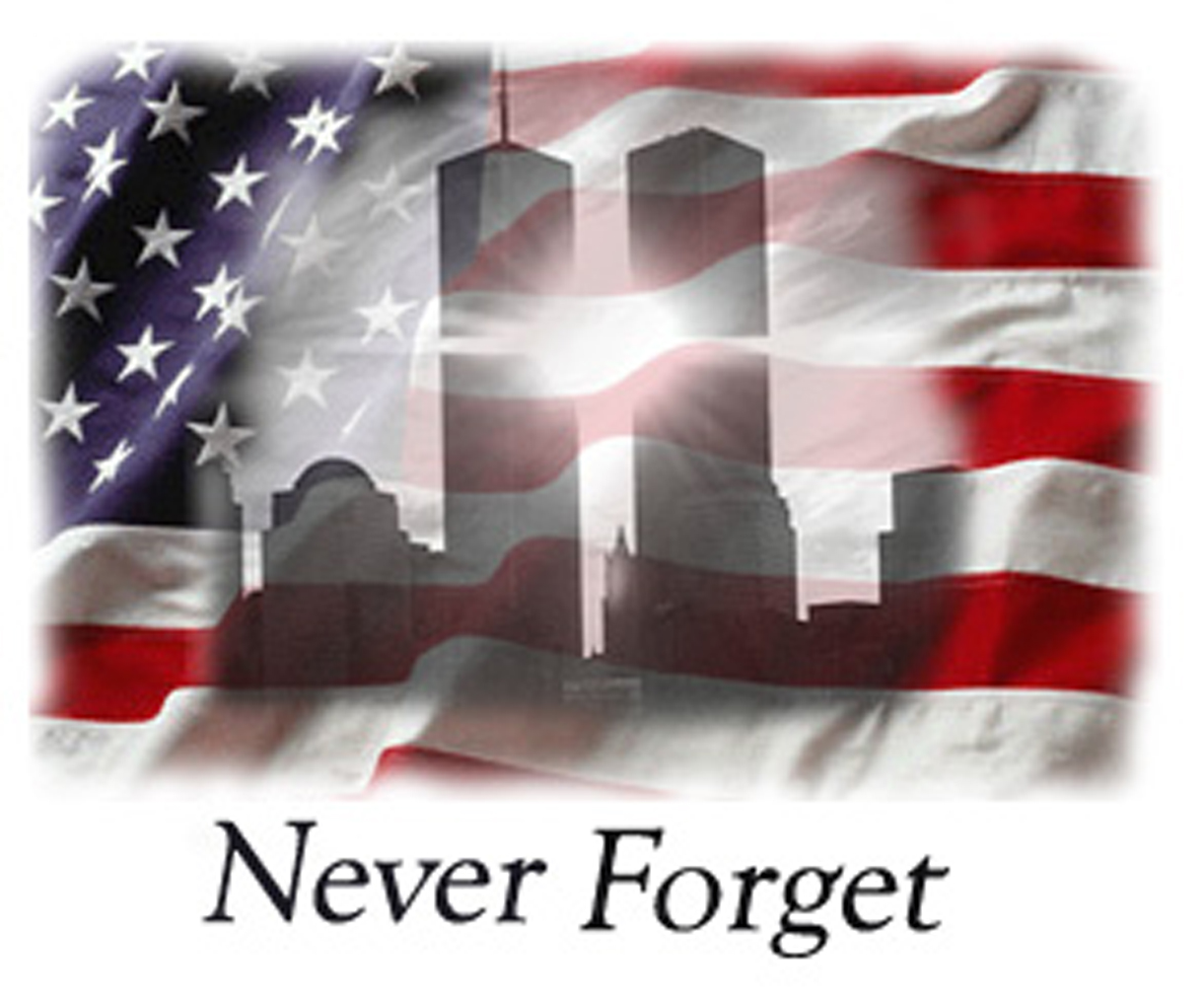
September 11, 2001, is a date forever etched into the collective memory of America. Beyond the profound tragedy and heroism, it was also a moment that irrevocably shaped the landscape of Major League Baseball, bringing the game to a halt and then transforming it into a vital symbol of resilience and unity. As a Yankees fan, living through those days in New York, the impact on our city and our team felt particularly acute, yet the spirit of baseball transcended rivalries, uniting communities across the nation. Could any other sport have rallied a city, a nation, quite like baseball did in those raw, uncertain days? It’s a question worth pondering, a challenge to the notion that baseball is merely a game.
1. The Immediate Silence Across the League
The immediate aftermath saw MLB, like much of the nation, grind to a complete halt. Games scheduled for September 11th were instantly postponed, and within hours, Commissioner Bud Selig announced that all games for the remainder of the week would be suspended. This was an unprecedented cessation of play outside of labor disputes or world wars, a stark reflection of the national trauma that had unfolded. The stadiums, usually bustling with life and competitive energy, fell eerily silent, mirroring the profound quiet that had descended upon America. The focus shifted from playoff races and individual achievements to the somber reality of a nation in mourning.
2. Shea Stadium Becomes a Lifeline
While Yankee Stadium held a special place in the hearts of New Yorkers, it was the Mets’ home, Shea Stadium, that first transformed into a central command for rescue and relief efforts. Its parking lots became a staging ground for emergency vehicles, supplies, and thousands of volunteers. The transformation of a revered sporting venue into a humanitarian hub underscored the gravity of the situation and the immediate need for collective action. This act of community service, putting the game aside for the greater good, resonated deeply with fans and showcased the broader role sports facilities could play in times of crisis.
3. The Emotional Return to Play
After a week of silence, MLB resumed play on September 17th. The return was anything but normal. Teams observed moments of silence, players wore special patches and caps, and patriotic displays were everywhere. Flags flew at half-staff, and the national anthem took on a profoundly new, poignant significance. For many, the sight of baseball being played again, even amidst the sorrow, offered a semblance of normalcy and a glimmer of hope, a small step towards healing in a wounded nation. The collective sigh of relief was almost palpable, as America’s pastime began to mend spirits.
4. Mike Piazza’s Iconic Home Run
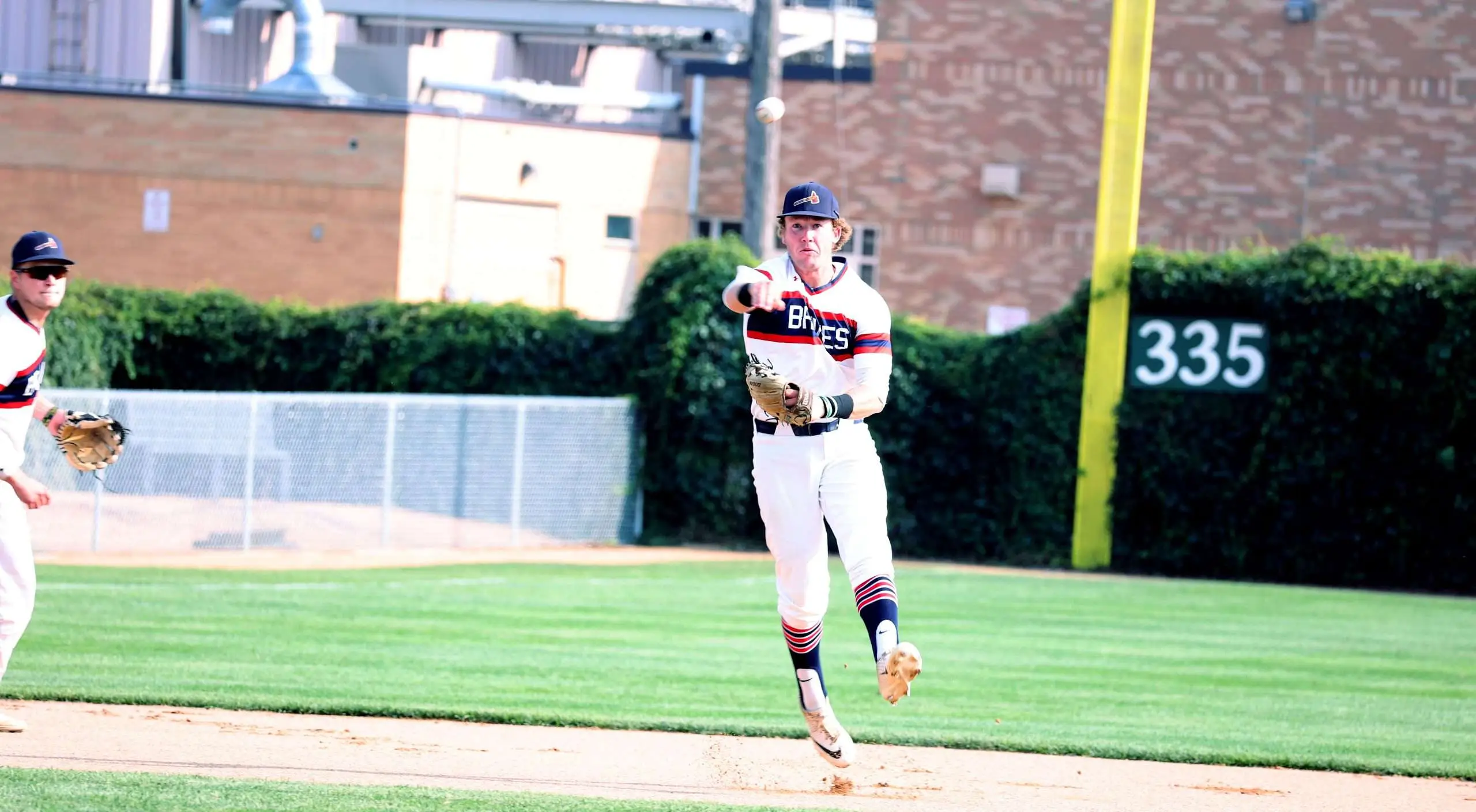
On September 21, 2001, in the first professional sporting event in New York City since the attacks, Mets catcher Mike Piazza hit a two-run home run in the bottom of the eighth inning against the Atlanta Braves at Shea Stadium, giving the Mets a 3-2 lead. The roar of the crowd, a mix of catharsis and jubilation, was deafening. It wasn’t just a game-winning hit; it was a moment of pure, unadulterated release, a testament to the resilience of the human spirit in the face of unimaginable tragedy. For many, especially New Yorkers, it felt like the first moment they could truly breathe again.
5. George W. Bush’s First Pitch at Yankee Stadium
The World Series that year, an epic showdown for the Yankees against the Arizona Diamondbacks, saw President George W. Bush throw out the ceremonial first pitch before Game 3 at Yankee Stadium. Under intense security and against a backdrop of heightened national anxiety, the President delivered a perfect strike from the mound. The image of him on the field, wearing a FDNY jacket, provided a powerful symbol of leadership, defiance, and unity, galvanizing not just the fans in attendance but a watching nation. It was a defiant statement that America would not be bowed.
6. The Yankees: New York’s Team, America’s Team
As a New York team, the Yankees bore a unique burden and responsibility in the wake of 9/11. They visited ground zero, consoled families, and their presence in the World Series provided a powerful, unifying narrative for the city and the country. Their quest for a fourth consecutive championship, though ultimately unsuccessful, transcended mere baseball. They became symbols of New York’s determination and resilience, carrying the hopes of a grieving populace onto the national stage. Their fight was America’s fight.
7. Commissioner Bud Selig’s Steadfast Leadership
In those chaotic days, MLB Commissioner Bud Selig navigated the league through unprecedented challenges. His decision to suspend play, then to resume, and his public statements consistently emphasized empathy, patriotism, and the healing power of baseball. His leadership provided a steady hand, ensuring that the league’s actions were respectful, meaningful, and aligned with the national mood. He understood that baseball had a role to play beyond the diamond.
8. The Postponed World Series
The attacks led to the deepest penetration of the MLB regular season into November for the first time in history. The World Series was pushed back by several weeks, culminating in a dramatic Game 7 on November 4th. This extended season, played under the shadow of ongoing recovery efforts, added a layer of profound significance to every pitch and every game, making the eventual championship feel even more earned and meaningful. The unusual late-season schedule served as a constant reminder of the nation’s changed calendar.
9. Security Transforms Ballparks
The events of 9/11 permanently altered security protocols at all major sports venues, including MLB ballparks. Enhanced bag checks, metal detectors, increased police presence, and more stringent credentialing became the new norm. While these measures were necessary for public safety, they also subtly changed the fan experience, a stark reminder of the world’s changed landscape. The casual entrance to a game became a more formalized process, a small but lasting legacy of the tragedy that redefined public safety at mass gatherings.
10. Flags, Patriotism, and Unity
Throughout the remainder of the 2001 season and beyond, baseball became a canvas for patriotic expression. American flags adorned every outfield wall, “God Bless America” was frequently sung during the seventh-inning stretch, and players, coaches, and fans embraced a profound sense of national unity. Rivalries, while still present, often took a backseat to the shared sense of American identity and solidarity, creating an atmosphere of collective remembrance and resolve that transcended traditional competition.
11. Players as Ambassadors of Hope
Many MLB players, both individually and collectively, became active participants in relief efforts. They visited hospitals, firehouses, and police stations, offering comfort and support. Their celebrity status allowed them to raise significant funds and awareness for victim’s families and first responders. Their willingness to step beyond their professional roles and engage directly with the suffering communities cemented baseball’s role as a unifying and healing force, demonstrating empathy and civic duty.
12. The Enduring Legacy of Sacrifice
Beyond the heroes of 9/11, MLB paid tribute to those lost, often honoring first responders and military personnel at games. The 9/11 remembrance patches and decals served as constant reminders, keeping the memory of the victims and the courage of the heroes at the forefront. This commitment to remembrance ensured that the spirit of sacrifice and resilience remained an integral part of the baseball narrative for years to come, woven into the fabric of the game’s history.
13. Baseball’s Role as a Healing Mechanism
In the raw aftermath, many found solace and distraction in the return of baseball. For a few hours, the game offered a temporary escape from the grim realities, a space where communities could gather, cheer, and feel connected. It demonstrated how sports, often seen as mere entertainment, can serve a profound psychological and emotional purpose in times of national trauma, providing a vital pathway for collective healing and a sense of shared experience during uncertainty.
14. The Subway Series Drama Amplified
The 2000 World Series between the Yankees and Mets had been a joyous, if competitive, Subway Series. In 2001, the Yankees once again reached the Fall Classic, becoming New York’s primary representative on the national stage. While it wasn’t a Subway Series, the Yankees’ deep run felt incredibly significant for a city still reeling. Every game, every win, felt like a small victory for New York, imbued with a weight far beyond the sport itself, as the entire nation watched a city fight to reclaim its spirit.
15. The Spirit of Giving and Charity
MLB, its teams, and its players launched numerous charitable initiatives in response to 9/11. Funds were raised for victims’ families, emergency workers, and recovery efforts. These widespread acts of philanthropy highlighted the league’s commitment to its communities and its understanding of the critical role it could play in supporting the nation’s recovery, demonstrating generosity on a massive scale that united fans and athletes in a common cause.
16. “God Bless America” Becomes a Tradition
While not entirely new, the regular singing of “God Bless America” during the seventh-inning stretch became a deeply ingrained tradition in the aftermath of 9/11, particularly in New York. It evolved from a spontaneous expression of patriotism into a solemn, unifying ritual, a moment for reflection and shared national pride that continues to resonate in ballparks across the country today, serving as a powerful sonic reminder of a nation’s resilience and enduring faith.
17. The Resilience of the American Spirit
More than anything, the baseball world’s response to 9/11 reflected the resilience of the American spirit. From the players who took the field with heavy hearts, to the fans who filled the stands seeking comfort, to the organizations that contributed to recovery efforts, MLB became a powerful microcosm of a nation determined to endure, rebuild, and honor those lost. It was a testament to strength in unity, showcasing how a beloved pastime could embody the very best of a nation’s character.