The simple phrase “Hey Dad, wanna have a catch?” transcends mere words, unlocking a portal to generations of shared experience, the enduring spirit of competition, and the timeless lessons embedded within the game of baseball. It’s an invitation not just to throw a ball, but to engage with a sport that operates on its own rhythm, governed by an intricate dance of strategy, skill, and the often-unseen poetry of human endeavor. From the hallowed grounds of Yankee Stadium to sandlots across America, baseball speaks a language rich with metaphor, offering unique insights into life itself.
1. The Diamond: A Crucible of Infinite Time
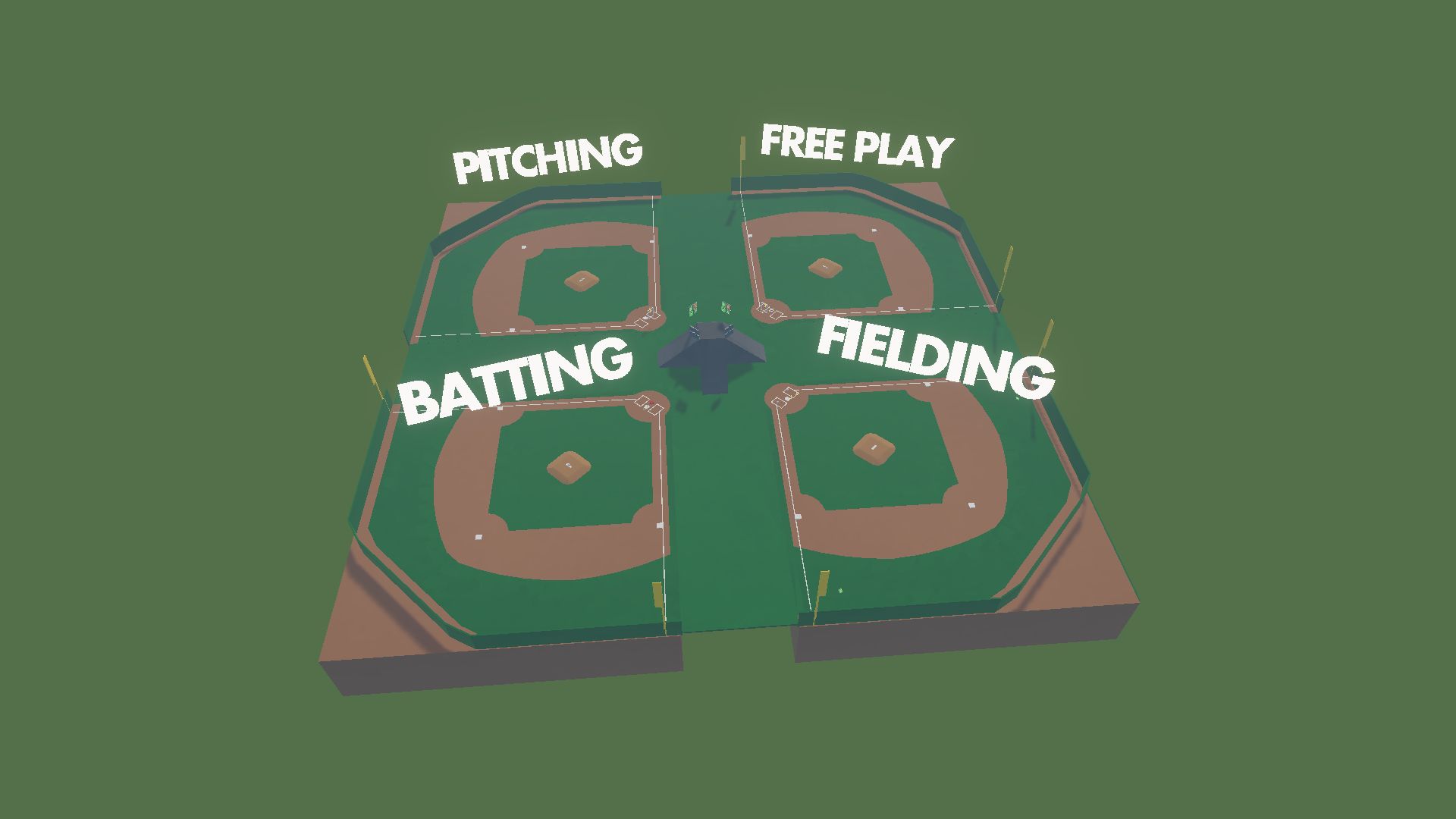
Unlike sports dictated by a ticking clock, baseball unfolds within the boundless confines of its 90-foot diamond, a true crucible where time is not measured but earned. Each pitch is a singular event, a moment suspended, yet simultaneously part of an unfolding narrative. There’s no rushing the game; it progresses at the deliberate pace of strategy and execution. This unique temporal structure imbues every at-bat, every inning, with an amplified significance, transforming the familiar diamond into an arena where fate is meticulously woven, not merely spent.
2. The Pitcher’s Mound: A Lonely Island of Destiny
Elevated and isolated, the pitcher’s mound stands as a solitary island, a place where individual resolve meets collective expectation. From this hallowed dirt, one player holds the immediate fate of the game in his hand, a small, white sphere. It’s a stage for intense personal duels, a canvas for artistry in movement and deception, and a crucible for mental fortitude. Every delivery is a whispered conversation between intent and outcome, a silent, high-stakes gamble played out against the backdrop of an entire stadium, making the mound not just a physical location, but a psychological battleground.
3. The Bat: The Conductor’s Baton of Ballpark Symphony
In the hands of a skilled hitter, the baseball bat transforms from a simple piece of wood or metal into a conductor’s baton, poised to orchestrate the signature symphony of the ballpark. The distinctive “crack” when barrel meets ball is the crescendo, a sound that resonates with immediate consequence, signaling a potential triumph or the start of a perilous journey around the bases. It’s an instrument of both power and precision, demanding an exquisite sense of timing and rhythm, turning each swing into a potential overture of glory or a silent, fleeting note of missed opportunity.
4. The Glove: A Net for Dreams and a Shield Against Fear
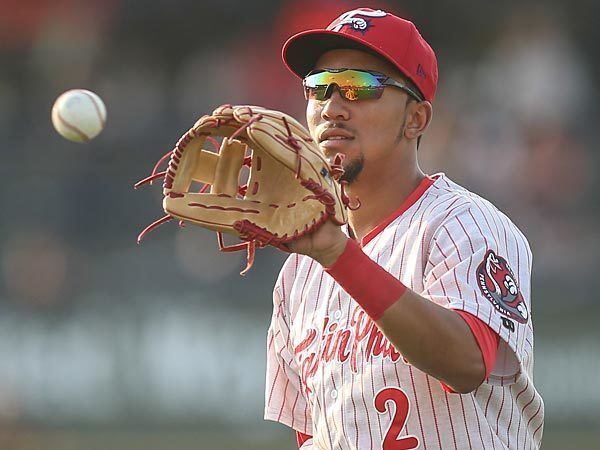
More than just a piece of leather, a baseball glove is a catcher of dreams, a repository of countless catches, put-outs, and shared moments. For a child, it’s an extension of their hand, a tool for participation. For a professional, it’s a finely tuned instrument, a shield against the blistering speed of a batted ball, and an emblem of trust with every pitch received. Each scuff and worn stitch tells a story, making the glove a tangible link to personal history and the collective memory of the game.
5. The Basepaths: A Journey of Tactical Choices
The basepaths are not merely 90-foot segments of dirt; they represent a journey fraught with tactical choices, a series of short sprints punctuated by crucial decisions. Every lead, every stolen base attempt, every tag-up after a fly ball is a calculated risk, a micro-drama of anticipation and execution. The base runner is a protagonist on an episodic adventure, navigating the field like a chess piece, constantly assessing the landscape, challenging the defense, and pushing the boundaries of what’s possible within the rules of engagement.
6. The Foul Line: The Thin Veil Between Chaos and Order
The foul lines are more than painted boundaries; they are the thin veil separating the structured order of play from the vast expanse of the crowd and the world beyond. A mere inch can define destiny, turning a majestic home run into a missed opportunity, or a harmless pop-up into a game-changing moment. They represent the delicate balance of control within the game, emphasizing that even in the pursuit of power and aggression, adherence to fundamental rules dictates the very essence of competition.
7. The Seventh-Inning Stretch: A Collective Breath of Hope
The seventh-inning stretch is baseball’s unique pause, a collective breath taken by thousands, a communal reset button. It’s an intermission not just for physical movement, but for a psychological shift, allowing fans and players alike to recalibrate their hopes and strategies for the final acts of the game. This tradition, often accompanied by familiar songs, symbolizes the enduring optimism inherent in baseball – the belief that no matter the score, a comeback is always possible, and the next pitch holds renewed promise.
8. The Dugout: A Sanctuary and a Strategic War Room
Hidden beneath the stands, the dugout serves a dual purpose: it’s both a sanctuary where players can momentarily escape the glare of competition and a strategic war room where coaches orchestrate the intricate dance of the game. Here, whispers of advice, moments of quiet reflection, and bursts of shared emotion coalesce. It’s the nerve center, a microcosm of the team’s collective spirit, where camaraderie is forged and the next tactical move is meticulously plotted away from the direct gaze of the opposition.
9. The Scoreboard: A Ticker of Fate and a History Ledger
More than just a display of runs and outs, the scoreboard is a ticker of fate, charting the ebb and flow of a contest in real-time. Yet, it also functions as a living history ledger, chronicling the individual achievements of hitters and pitchers, and etching the unfolding narrative into the memories of those present. Its illuminated numbers tell a story of dominance or despair, of clutch moments or missed chances, making it a constant, impartial arbiter of the game’s evolving truth.
10. The Bullpen: A Forge of Relief and Unseen Pressure
Nestled beyond the outfield, the bullpen is a forge of relief, a place where pitchers warm up in relative obscurity, preparing to step into the intense glare of a critical moment. It’s a quiet proving ground, filled with the unseen pressure of anticipation. Here, arms are readied, strategies are mentally rehearsed, and the weight of the game’s future often rests on the shoulders of those waiting their call, transforming this seemingly peripheral area into a crucial crucible for late-game heroics.
11. The Catch: A Moment Suspended in Air and Memory
Whether a routine pop-up or an impossible diving grab, a catch is a moment suspended in air and memory. It’s the ultimate act of defense, transforming potential danger into a definitive out. A spectacular catch can shift momentum, inspire teammates, and leave an indelible mark on the collective consciousness of fans. It’s an athletic ballet, a triumph of timing, judgment, and physical prowess, where the fate of a rally can hinge on the split-second decision to leap, dive, or stretch.
12. The Walk-Up Song: A Personal Anthem of Defiance
In modern baseball, the walk-up song has become a personal anthem, a brief musical declaration that precedes a player’s at-bat. It’s a moment of individual expression within a team sport, a psychological pump-up for the hitter, and a subtle message to the opposing pitcher. This unique pre-battle ritual sets a tone, builds anticipation, and allows fans a momentary glimpse into the personality and mindset of the warrior stepping into the batter’s box, transforming sound into a form of defiance and identity.
13. The Green Grass: A Canvas of Athleticism and Tradition
The meticulously manicured green grass of a baseball field is far more than just turf; it’s a vast canvas upon which athletic artistry unfolds and the deep traditions of the game are silently upheld. It absorbs the impact of cleats, reflects the stadium lights, and provides a vibrant backdrop for every slide, sprint, and spectacular play. This expansive, natural setting evokes a sense of timelessness, connecting today’s game to generations of contests played under similar open skies.
14. The Umpire: The Stoic Guardian of Fair Play
Behind the plate or patrolling the bases, the umpire is the stoic guardian of fair play, an impartial arbiter whose calls are both decisive and final. They are the living embodiment of the rulebook, their presence ensuring integrity and order in a game that thrives on both individual brilliance and collective adherence to established parameters. Often uncelebrated, their unwavering focus and commitment to the game’s structure are fundamental to its enduring appeal and the purity of its competition.
15. The Cracker Jack: The Taste of Nostalgia and Shared Joy
More than a simple snack, Cracker Jack is the taste of nostalgia, a sensory link to countless ballgame memories. Its sweet and salty crunch, along with the classic prize inside, evokes a childlike wonder and connects generations of fans. It’s a small, tangible ritual that transcends the specific game, symbolizing the shared joy and timeless appeal of the ballpark experience, proving that sometimes, the simplest pleasures are the most profound.