The 1993 Alex Rodriguez rookie card isn’t just a piece of cardboard—it’s a time capsule, a frozen moment where the raw potential of a future superstar was first immortalized in glossy ink and holographic sheen. Cast your mind back to the early ‘90s, when baseball cards were more than collectibles; they were talismans of fandom, gateways to the diamond’s magic. In 1993, the hobby was still in its golden age, a time when wax packs felt like treasure chests and the crack of a bat on a summer evening could echo through generations. Rodriguez, then a lanky teenager with a swing that promised greatness, was just beginning to etch his name into the sport’s lore. His rookie card, minted in that pivotal year, would soon become one of the most coveted artifacts in the hobby—a silent witness to the birth of a legend.
The allure of the 1993 Alex Rodriguez rookie card lies in its paradox: it is both a relic of the past and a harbinger of the future. When it first hit shelves, Rodriguez was an unproven prospect, a name whispered in scouting circles but unknown to the masses. The card itself, with its crisp photography and vibrant design, captured the optimism of the era—when baseball was still king, and every kid dreamed of pulling a future Hall of Famer from a pack. Today, that same card is a bridge between eras, a tangible link to a time when the hobby was simpler, yet the stakes were just as high. Owning it is like holding a piece of history in your hands, a reminder that greatness often begins in the most unassuming places.
The Card’s Genesis: A Promotional Gem in a Hobby’s Heyday
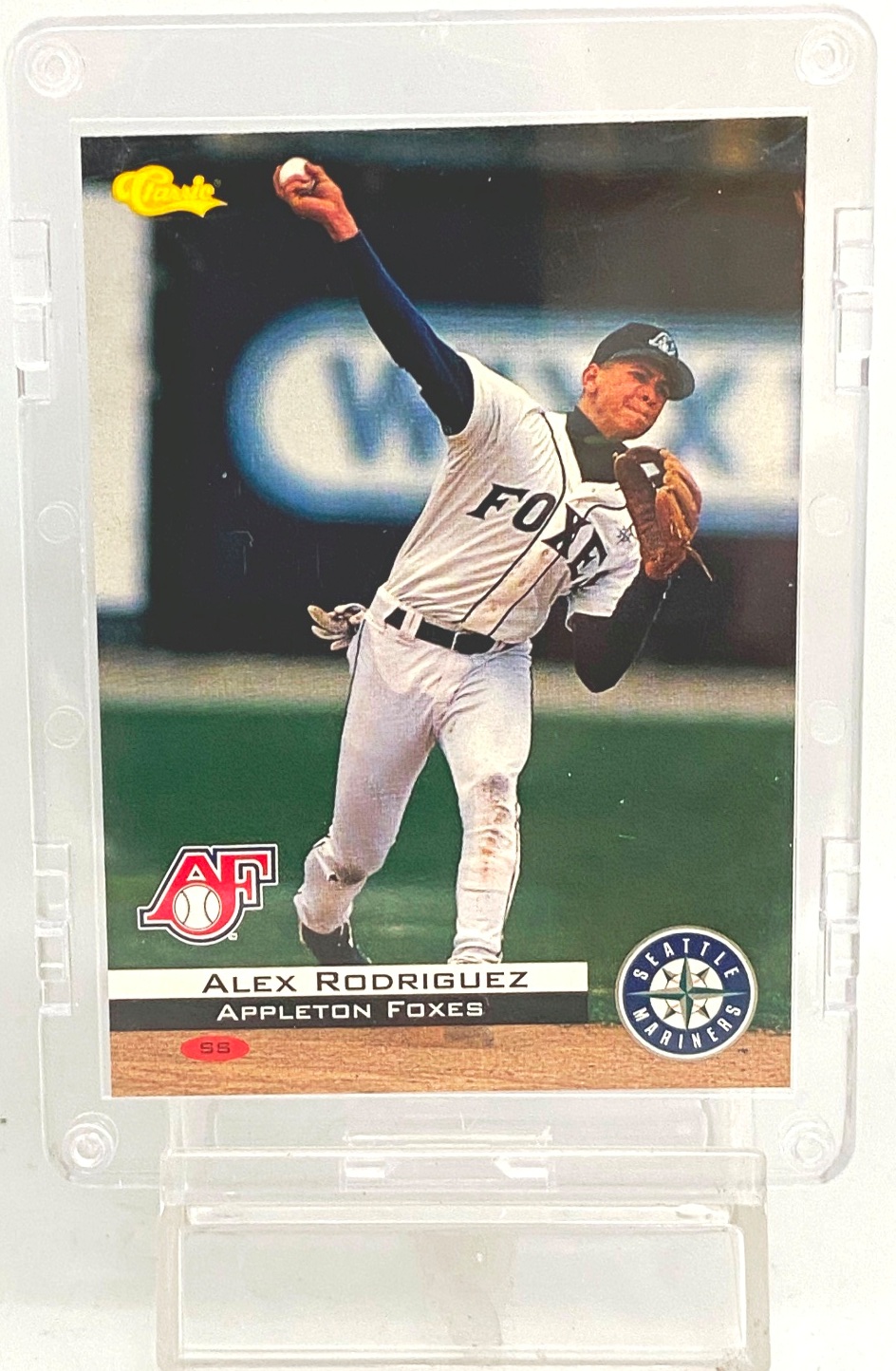
The 1993 Alex Rodriguez rookie card wasn’t part of a mass-produced set—it was a promotional gem, a limited-edition marvel that slipped into the hobby’s consciousness like a secret. Issued by Classic, a brand that specialized in high-quality, often regional releases, this card was a teaser of things to come. Unlike the ubiquitous Topps, Fleer, or Upper Deck issues that flooded the market, the Classic card was a rarity from the start. Its existence was a whisper, a nod to Rodriguez’s burgeoning stardom before he’d even played a major league game. The card’s design, with its bold colors and sharp focus on Rodriguez’s youthful intensity, was a masterclass in capturing the essence of a player on the cusp of greatness.
What makes this card particularly intriguing is its backstory. Promotional cards like this one were often distributed at minor league games, spring training, or through exclusive dealer networks. They weren’t meant to be mass-produced; they were meant to be treasured. For collectors, this added a layer of mystique. The card’s scarcity wasn’t just a matter of numbers—it was a matter of access. Only those who were in the right place at the right time, or who had the right connections, could add it to their binders. In an era before the internet democratized collecting, this card was a badge of honor, a testament to being in the know.
The card’s design is a study in contrasts: the front, with its vibrant portrait of Rodriguez in his Seattle Mariners uniform, exudes energy and promise, while the back, often overlooked, tells a story of its own. The statistics, the biographical blurbs, and the team logos are all there, but it’s the card’s physicality that lingers. The paper stock is thick, the ink vibrant, the edges slightly rough—imperfections that only enhance its authenticity. This wasn’t a card churned out by machines; it was a piece of art, crafted with care and distributed with intention.
Investment Potential: Why This Card is a Home Run
If you’re looking for a baseball card that combines nostalgia with financial upside, the 1993 Alex Rodriguez rookie card is a slam dunk. The market for vintage Rodriguez cards has been on a steady upward trajectory, and this particular issue is no exception. Its limited distribution and early issuance date make it a prime candidate for appreciation. Unlike modern cards, which are often produced in staggering quantities, this card’s scarcity is baked into its DNA. There’s no reprint, no chase variant—just the original, unadulterated piece of history.
The investment case for this card is bolstered by Rodriguez’s Hall of Fame trajectory. His career—spanning over two decades, three teams, and countless records—ensures that his rookie cards will always be in demand. But it’s the 1993 issue that holds a special place in collectors’ hearts. It’s the first glimpse of greatness, the card that started it all. As Rodriguez’s legacy grows, so too does the value of his earliest collectibles. This card isn’t just a piece of cardboard; it’s a stake in a legend’s origin story.
Market trends paint a promising picture. Vintage cards from the early ‘90s have seen a resurgence in recent years, with collectors and investors alike recognizing their long-term potential. The 1993 Rodriguez card, in particular, benefits from the “first-year effect”—the phenomenon where a player’s rookie card becomes more desirable simply because it’s the first. Add to that Rodriguez’s cultural impact—his dominance on the field, his larger-than-life personality, and his status as a generational talent—and you have a recipe for sustained value growth. This isn’t a card that will sit on the shelf gathering dust; it’s a card that will continue to appreciate, year after year.
The Aesthetic Appeal: A Visual Symphony of Youth and Promise
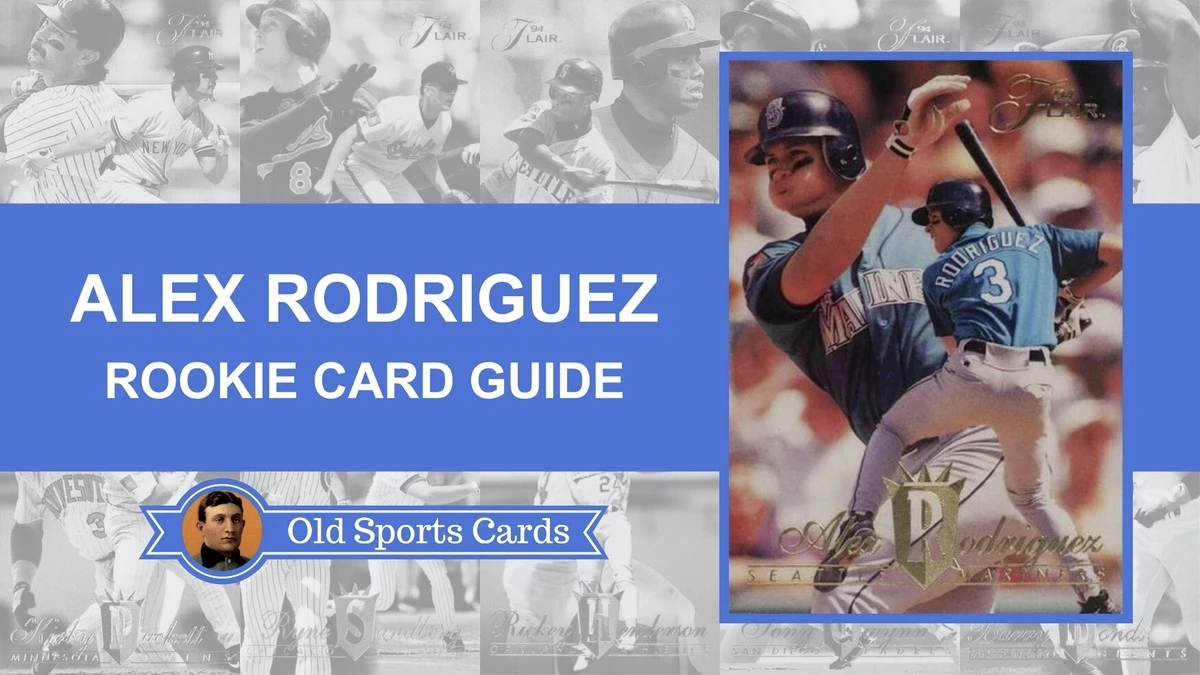
There’s something almost poetic about the 1993 Alex Rodriguez rookie card. It’s a visual symphony, a harmonious blend of design and subject that captures the essence of a player on the brink of greatness. The photograph on the front is a masterclass in composition: Rodriguez, bat in hand, eyes focused and determined, embodies the raw intensity of a teenager who knows he’s destined for more. The colors are bold, the lighting dramatic—it’s a portrait that doesn’t just show a player; it tells a story.
The card’s design is a product of its time, yet it transcends the era. The Classic brand was known for its innovative layouts, and this card is no exception. The use of space, the typography, the placement of the player’s name—every element is deliberate. The card doesn’t just depict Rodriguez; it elevates him. It’s as if the designers knew, even then, that they were capturing something special. The holographic elements, if present, add a layer of depth, making the card feel almost three-dimensional. Holding it in your hands, you can almost feel the energy of the moment it represents.
But it’s not just the front that captivates. The back of the card is a treasure trove of information, a snapshot of Rodriguez’s early career. The statistics, the biographical details, the team logos—it’s all there, a testament to the card’s dual role as both collectible and historical document. For collectors, this adds a layer of engagement. It’s not just about the card’s visual appeal; it’s about the story it tells. It’s about the player’s journey from prospect to legend, and the card’s role in that journey.
The Market Dynamics: Navigating the Collectibles Landscape
The market for vintage baseball cards is a complex ecosystem, one that rewards knowledge, patience, and a keen eye for detail. The 1993 Alex Rodriguez rookie card occupies a unique niche in this landscape. It’s not a Topps flagship issue, nor is it a Fleer Ultra or a Bowman Chrome. It’s something rarer—a promotional card that slipped into the hobby’s consciousness almost by accident. This rarity is its greatest strength, but it’s also what makes it a challenge to value and acquire.
Pricing for this card can vary widely, depending on condition, provenance, and demand. A PSA 10 Gem Mint example can fetch thousands, while a lower-grade copy might go for a fraction of that. The key to navigating this market is understanding the card’s place in the broader context of Rodriguez’s collectibles. This isn’t just any rookie card; it’s the first. It’s the card that started it all. That gives it a premium that other issues, no matter how flashy, can’t match.
Provenance is another critical factor. Cards with a documented history—those that have passed through the hands of reputable collectors or dealers—often command higher prices. The story behind the card adds to its allure. Was it pulled from a pack at a minor league game? Did it change hands at a high-profile auction? These details matter. They transform the card from a mere collectible into a piece of history with a narrative all its own.
For investors, the key is to focus on condition. The 1993 Rodriguez card is a survivor, a card that has withstood the test of time. But even survivors can show their age. Centering, surface wear, and corner damage can all detract from its value. A card in pristine condition is a rare find, and one that will appreciate over time. It’s worth the investment to have it graded by a reputable service like PSA or BGS, as third-party authentication adds a layer of security and prestige.
The Cultural Significance: More Than Just a Card
Baseball cards are more than just pieces of cardboard; they’re cultural artifacts. They reflect the zeitgeist of their time, capturing the spirit of the game and the players who define it. The 1993 Alex Rodriguez rookie card is a perfect example of this. It’s a snapshot of the early ‘90s, a time when baseball was in the midst of a renaissance. The steroid era was still on the horizon, and the game was dominated by larger-than-life personalities like Ken Griffey Jr., Barry Bonds, and, of course, Alex Rodriguez.
Rodriguez himself was a product of that era—a player whose talent was undeniable, whose charisma was magnetic, and whose career would span multiple decades and teams. His rookie card, issued in 1993, is a reminder of a time when the hobby was simpler, when the thrill of the chase was enough. It’s a card that speaks to the purity of collecting, to the joy of discovery. It’s a card that connects us to the past, to a time when baseball was still the national pastime, and when every pack held the promise of greatness.
But the card’s cultural significance goes beyond its place in the hobby’s history. It’s a symbol of Rodriguez’s journey, a tangible link to the player he was before he became a superstar. It’s a reminder that even legends start somewhere, that greatness is often born in the most unassuming places. For collectors, this adds a layer of emotional resonance. This isn’t just a card; it’s a piece of a larger story, a chapter in the book of baseball history.
The 1993 Alex Rodriguez rookie card is more than a collectible; it’s a testament to the enduring power of baseball and the magic of the hobby. It’s a card that captures the essence of a player on the cusp of greatness, a card that tells a story of promise and potential. In a world where everything moves at lightning speed, this card is a reminder to slow down, to appreciate the artistry, the history, and the sheer joy of collecting. It’s a card that will continue to appreciate, not just in value, but in significance. It’s a card that connects us to the past, to the players who defined an era, and to the timeless allure of the game itself. Hold it in your hands, and you’re not just holding a piece of cardboard—you’re holding a piece of history.