Few artifacts in the realm of sports memorabilia evoke the same reverence as an autographed baseball from Lou Gehrig. The Iron Horse, as he was affectionately known, wasn’t just a baseball legend; he was a symbol of grit, grace, and an era when the game was played with unshakable integrity. Today, a Lou Gehrig autographed baseball isn’t merely a collectible—it’s a tangible connection to a bygone golden age of baseball, a period when heroes were measured not by highlight reels but by the quiet dignity of their daily grind. But how much is such a piece of history worth in the modern market? The answer isn’t as simple as checking a price tag; it’s a story woven into the fabric of baseball’s evolution, the psychology of collecting, and the enduring mystique of one of the game’s most beloved figures.
The Allure of the Iron Horse: Why Gehrig’s Autograph Captivates Collectors
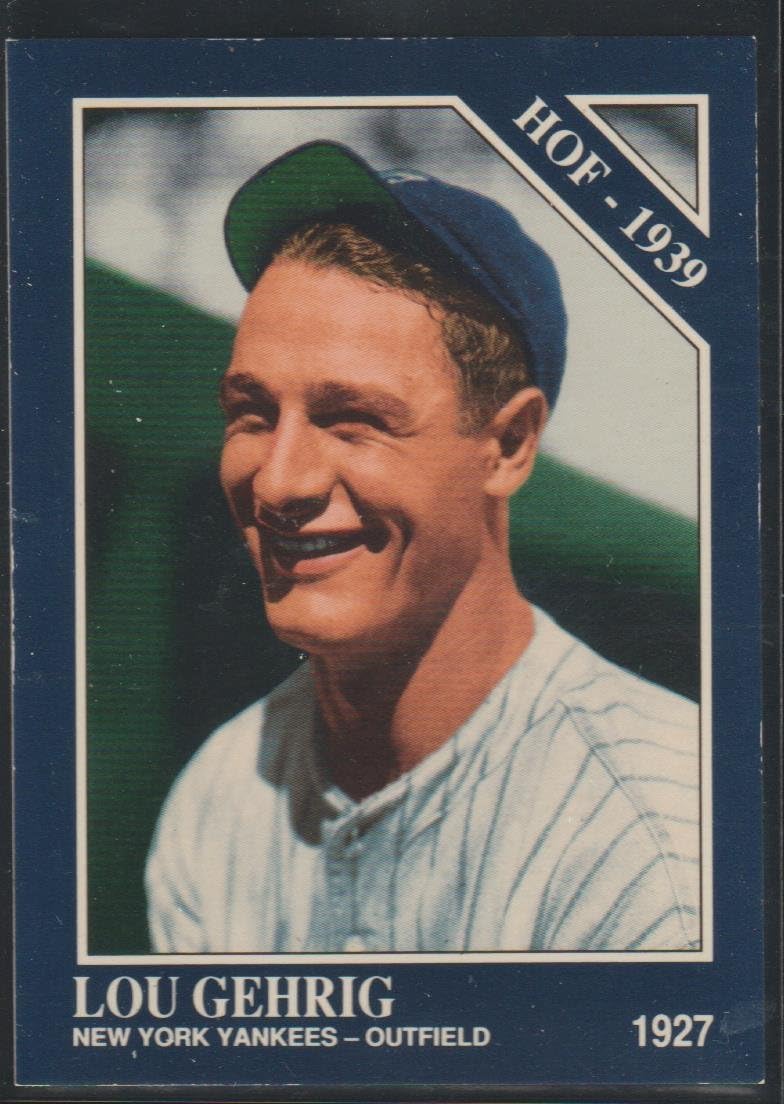
Lou Gehrig’s legacy transcends statistics. While his 2,130 consecutive games played and 493 home runs are etched into baseball lore, it’s his humanity that makes his autograph so coveted. Gehrig wasn’t just a slugger; he was the antithesis of the brash, larger-than-life personalities that dominated the 1920s and 1930s. His humility, work ethic, and tragic early demise from ALS (now often called Lou Gehrig’s disease) transformed him into a figure of quiet heroism. Collectors don’t just seek his signature; they seek a fragment of the man who embodied the soul of the game.
This fascination isn’t merely about nostalgia. It’s about the way Gehrig’s life story intersects with broader cultural shifts. The 1930s were a time of economic upheaval, and Gehrig’s rise from a working-class Bronx upbringing to baseball immortality mirrored the resilience of an entire generation. His autograph, then, becomes more than ink on a ball—it’s a relic of an era when heroes were forged in the crucible of adversity, not crafted by social media algorithms.
The tactile experience of holding a baseball signed by Gehrig adds another layer to its allure. The raised grain of the leather, the slight yellowing of the stitching—these aren’t just aesthetic details; they’re tactile echoes of a game played in wool uniforms and wooden bats. For collectors, the autograph is a bridge between the tactile past and the digital present, a physical reminder that baseball was once a game of sweat, leather, and raw emotion.
Market Dynamics: What Determines the Value of a Gehrig-Signed Baseball?
The value of a Lou Gehrig autographed baseball isn’t dictated by a single factor but by a constellation of variables that reflect both the item’s rarity and its cultural resonance. At the forefront is provenance—the documented history of the item’s ownership. A ball signed by Gehrig and authenticated by a reputable third party (such as PSA/DNA or JSA) can command a premium, sometimes doubling or tripling its value compared to an unsigned piece. Provenance isn’t just paperwork; it’s a story that lends legitimacy to the artifact, transforming it from a mere object into a piece of verifiable history.
Condition is another critical factor. A baseball signed by Gehrig in pristine condition, with the ink crisp and the leather unblemished, is far more desirable than one showing signs of wear. However, the passage of time has a way of softening even the most pristine artifacts. A ball with a signature that has mellowed into a patina of age often carries more charm for collectors who value authenticity over perfection. The key is balance: enough wear to suggest age, but not so much that the signature becomes illegible.

Rarity also plays a pivotal role. While Gehrig signed countless baseballs during his career, not all of them have survived to the present day. A ball signed in the 1930s, for example, is far rarer than one signed in the 1940s, simply because fewer examples from the earlier period remain. Additionally, the context of the signing matters. A ball signed during a game or a public appearance is often more valuable than one signed in private, as it carries the added mystique of being tied to a specific moment in Gehrig’s life.
Finally, market trends influence value. The collectibles market is cyclical, with certain eras and figures experiencing surges in demand. Gehrig’s stock has risen in recent years as younger generations rediscover his story through documentaries, biographies, and even video games. His connection to ALS awareness campaigns has also bolstered his appeal, as collectors seek to honor his legacy while supporting a cause close to his heart.
Price Ranges: What Can You Expect to Pay?
As of 2024, the market for Lou Gehrig autographed baseballs is as varied as the collectors who seek them. At the lower end, a basic example—unsigned or with a questionable provenance—might fetch as little as $500. These pieces often lack the documentation or condition to justify higher prices and are typically purchased by casual fans or those looking for a decorative item rather than an investment.
Mid-range options, which include balls signed in the 1930s or 1940s with solid provenance, generally fall between $2,000 and $5,000. These pieces are sought after by serious collectors who value both the historical significance and the aesthetic appeal of the item. A ball signed during Gehrig’s rookie year or during his record-breaking streak is particularly desirable, as it ties the artifact to a pivotal moment in his career.

At the upper echelons, premium pieces can exceed $10,000 or more. These include balls signed in the presence of witnesses, such as teammates or team officials, or those with a direct lineage to Gehrig’s estate. A ball signed during a World Series game or a special event, such as the 1939 Lou Gehrig Appreciation Day, can command prices in the five or six figures, depending on its condition and provenance. These pieces aren’t just collectibles; they’re historical artifacts, each with a story to tell.
It’s worth noting that prices can fluctuate based on auction results and private sales. For example, a ball signed by Gehrig and Babe Ruth together could fetch significantly more than a single-signed example, as it combines the legacies of two of baseball’s most iconic figures. Similarly, a ball signed by Gehrig and his Yankees teammates from a championship season is highly coveted, as it represents a collective achievement rather than an individual one.
The Psychology of Collecting: Why Do People Pay So Much?
The high prices commanded by Lou Gehrig autographed baseballs aren’t just a reflection of their rarity or condition; they’re a testament to the emotional investment of collectors. For many, owning a piece of Gehrig’s legacy is a way to connect with a simpler time, when baseball was the national pastime and heroes were measured by their character rather than their social media following. The act of collecting, then, becomes a form of escapism—a way to step back from the frenetic pace of modern life and immerse oneself in a world where the stakes were the crack of a bat and the roar of a crowd.
There’s also the element of storytelling. Every autographed baseball carries with it a narrative, whether it’s the tale of a young fan who managed to get Gehrig’s signature after a game or the story of a ball passed down through generations. These stories add layers of meaning to the artifact, transforming it from a mere object into a vessel for memory. Collectors aren’t just buying ink on leather; they’re buying a piece of their own history, a fragment of a larger story that they can claim as their own.
Additionally, the act of collecting can be a form of tribute. Gehrig’s battle with ALS and his courageous farewell speech at Yankee Stadium in 1939 left an indelible mark on the collective consciousness. For many collectors, owning a piece of his legacy is a way to honor his memory and keep his story alive. In a world where heroes are often fleeting, Gehrig’s legacy endures, and his autographed baseballs serve as a tangible reminder of the impact one man can have on a sport and a culture.
Investing in History: Is a Gehrig-Signed Baseball a Good Investment?
For those considering a Lou Gehrig autographed baseball as an investment, the answer isn’t straightforward. Like all collectibles, the value of a Gehrig-signed baseball is subject to market fluctuations, and there are no guarantees that its worth will appreciate over time. However, there are several factors that suggest it could be a sound long-term investment.
First, Gehrig’s legacy is secure. He’s not just a baseball player; he’s a cultural icon, a symbol of resilience and humility. As long as baseball remains a beloved sport, and as long as his story continues to resonate with new generations, his autographed baseballs will likely retain their value. In fact, the demand for his memorabilia has only grown in recent years, as younger fans discover his story through modern media.
Second, the supply of high-quality Gehrig-signed baseballs is finite. While he signed countless balls during his career, the number of surviving examples in good condition is limited. As time passes, the scarcity of these artifacts will only increase, which could drive up their value. This is particularly true for pieces with exceptional provenance or historical significance, such as balls signed during his record-breaking streak or during his final season.
That said, investing in collectibles always carries risks. The market for sports memorabilia can be volatile, and trends can shift rapidly. A ball signed by Gehrig today might not fetch the same price in a decade if the collecting landscape changes. Additionally, the cost of authentication and preservation can add up, reducing the overall return on investment. For serious collectors, the key is to focus on quality over quantity, investing in pieces that are not only rare but also historically significant.
The allure of a Lou Gehrig autographed baseball lies not just in its monetary value, but in the stories it carries and the emotions it evokes. It’s a relic of an era when baseball was more than a game—it was a reflection of the American spirit, a testament to the power of perseverance, and a reminder of the fragility of life. For collectors, owning a piece of that legacy is a way to keep the spirit of the Iron Horse alive, to hold a fragment of history in their hands and feel the weight of a man who gave everything to the game he loved. In a world where heroes are often ephemeral, Lou Gehrig’s autographed baseballs stand as enduring symbols of greatness, not just in sport, but in the human condition itself.