In the grand mosaic of baseball card collecting, where every glossy rectangle tells a story of diamond glories and fleeting youth, few cards spark as much debate as those featuring Mike LaValliere. A journeyman catcher whose career spanned the late 1980s and early 1990s, LaValliere may not have the star power of a Ripken or a Clemens, but his cards possess a peculiar magnetism. They are the kind of collectibles that lurk in shoeboxes and attic corners, waiting to be rediscovered like a hidden gem in a sea of common cardboard. Are they rare finds, or merely common relics of a bygone era? The answer, as with most things in collecting, lies in the details.
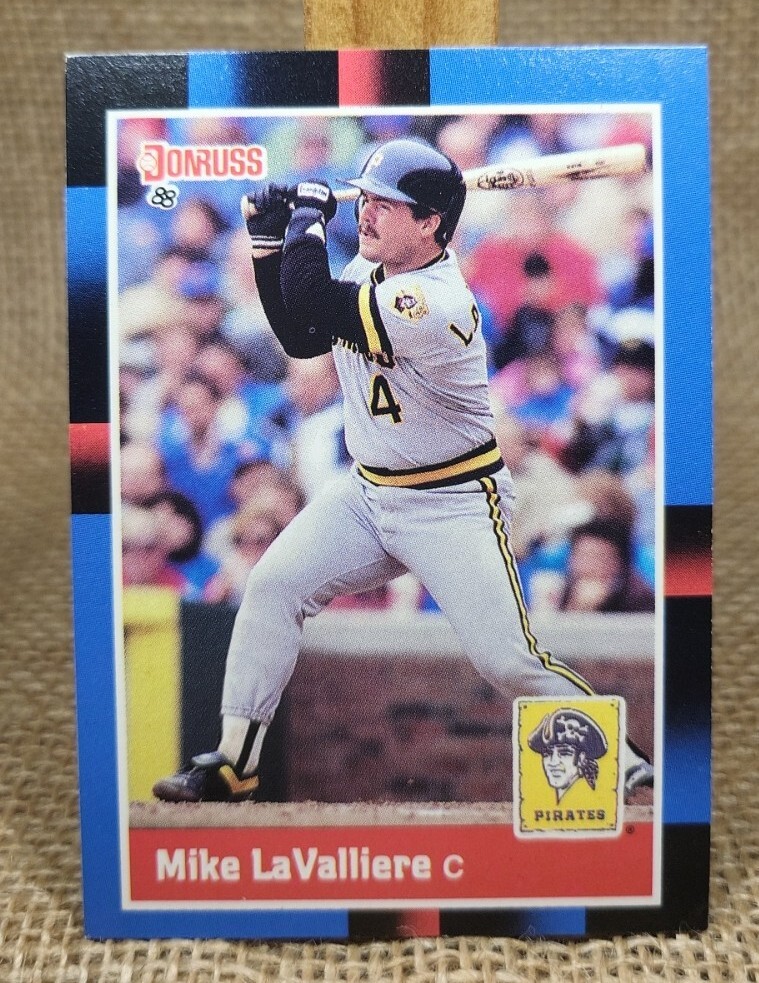
The allure of a baseball card is never just about the player it depicts—it’s about the era it represents, the scarcity of its print run, and the emotional resonance it carries. LaValliere’s cards, like whispers from a forgotten dugout, offer a glimpse into a time when baseball was transitioning from the gritty, analog past to the polished, marketing-driven present. His 1988 Donruss card, for instance, is a time capsule of the late ‘80s, a period when the hobby was exploding in popularity, and cards were as much about the thrill of the chase as they were about the players themselves. The glossy finish, the bold colors, the way the ink catches the light—it’s all there, frozen in time, waiting to be held up to the light of modern scrutiny.
The Rarity Paradox: Why Some Cards Are More Equal Than Others
At first glance, LaValliere’s cards seem unremarkable. He wasn’t a Hall of Famer, nor did he have a single season that defined a generation. Yet, rarity in baseball cards is a slippery concept, often more about perception than actual scarcity. The 1988 Donruss set, for example, was produced in massive quantities, yet certain cards—like LaValliere’s #312—have become harder to find in high-grade condition. The passage of time, combined with the natural attrition of poorly stored cards, has turned what was once a common issue into a semi-scarce treasure.
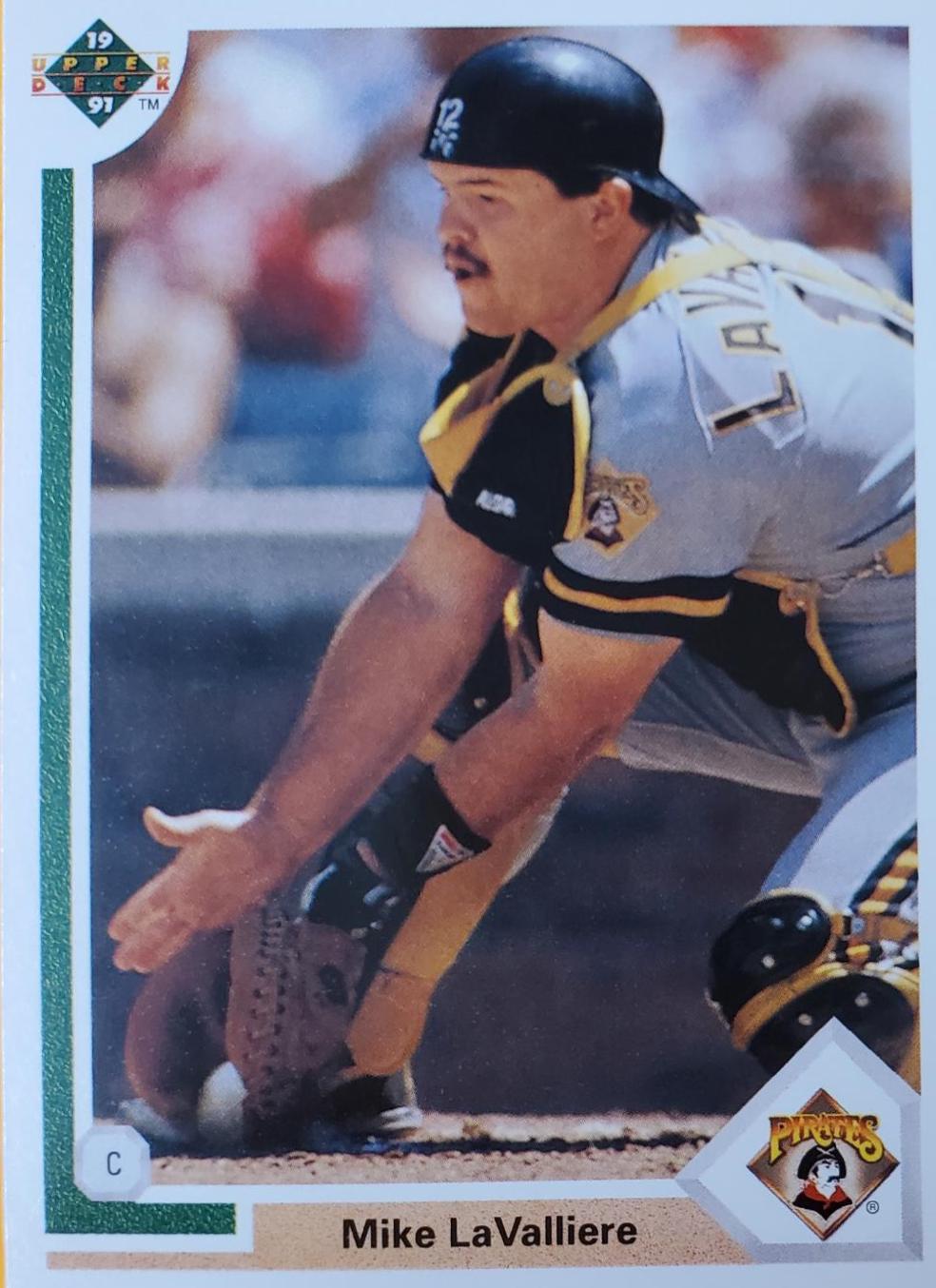
Consider the 1991 Upper Deck LaValliere #129. Upper Deck’s inaugural set is legendary for its premium quality, but not all cards in the series are equally desirable. LaValliere’s card, while not a key rookie, benefits from the set’s reputation for sharp photography and high production values. In a market where collectors often chase the most famous names, the understated elegance of a LaValliere card can be a refreshing alternative. It’s the kind of card that rewards patience, the one that might sit unnoticed in a binder for years before suddenly becoming the centerpiece of a themed collection.
Then there are the autographed versions, which introduce another layer of complexity. Autographs are the alchemy of collecting—turning a common card into something potentially valuable. A signed LaValliere card, especially one authenticated by a reputable service, can transform a $5 trinket into a $50 gem. The market for autographs is fickle, but the emotional pull is undeniable. Holding a card that bears the player’s own hand is like shaking hands with history, even if the hand in question never shook the hand of destiny.
The Aesthetic Appeal: Why LaValliere’s Cards Stand Out
Baseball cards are, at their core, works of art. They are the visual poetry of the sport, capturing a player’s likeness in a moment frozen in time. LaValliere’s cards, particularly those from the late ‘80s and early ‘90s, possess a certain je ne sais quoi—a blend of nostalgia and understated charm. The 1988 Donruss card, with its bold red and blue hues, feels like a snapshot from a time when baseball cards were as much about the design as the players. The 1991 Upper Deck card, with its crisp photography and clean layout, reflects the brand’s commitment to quality at a time when the hobby was becoming more sophisticated.
There’s something inherently poetic about a card that doesn’t scream for attention. In an era where every card seems designed to leap off the shelf with neon colors and hyper-detailed action shots, LaValliere’s cards are the quiet observers, the ones that reward a second glance. They are the kind of cards that appeal to collectors who see beauty in subtlety, who find joy in the overlooked corners of the hobby.
The Market Dynamics: What Drives Value in LaValliere Cards
The value of a baseball card is a dance between supply and demand, a delicate balance that can shift with the winds of nostalgia and market trends. For LaValliere’s cards, the key drivers are condition, rarity, and the player’s legacy. A high-grade 1988 Donruss LaValliere #312 can fetch upwards of $20, while a lower-grade example might languish at a dollar store. The difference isn’t just in the price—it’s in the story the card tells. A card in pristine condition is like a well-preserved first edition book; it feels untouched by time, a direct link to the moment it was printed.
Rarity, too, plays a role. While LaValliere’s cards weren’t produced in limited quantities, their relative obscurity in the grand scheme of collecting makes them harder to find in bulk. This scarcity, combined with the player’s cult following among Pirates fans, creates a niche market. Collectors who specialize in Pittsburgh Pirates memorabilia often seek out LaValliere cards as a way to complete their sets, adding a layer of demand that keeps prices stable.
Autographed cards, as mentioned, introduce another dimension. The market for signed cards is driven by authentication, condition, and the player’s willingness to sign. A LaValliere autograph on a 1992 card, for example, might be more valuable than the base card itself, especially if it’s accompanied by a certificate of authenticity. The emotional appeal of owning a piece of the player’s personal history can’t be overstated—it’s the difference between a card and a relic.

The Collector’s Perspective: Why LaValliere Cards Matter
For those who collect not just for profit but for passion, LaValliere’s cards offer something rare: a connection to a player who embodied the spirit of the game without the fanfare. He was a catcher, a role often overlooked in the grand narrative of baseball, yet one that is essential to the sport’s rhythm. His cards are a reminder that collecting isn’t just about the stars—it’s about the unsung heroes, the players who made the game what it is without ever becoming household names.
There’s also the thrill of the hunt. In a hobby dominated by high-priced rookies and Hall of Famers, finding a LaValliere card in a bargain bin or a forgotten shoebox is like stumbling upon a hidden treasure. It’s the kind of discovery that makes collecting feel alive, that turns a simple piece of cardboard into a story waiting to be told. Whether it’s a 1988 Donruss issue or a 1991 Upper Deck gem, LaValliere’s cards are a testament to the joy of the chase.
And then there’s the nostalgia. For collectors who grew up in the late ‘80s and early ‘90s, LaValliere’s cards are a link to a simpler time, when baseball cards were a gateway to imagination. They’re the kind of cards that might have been traded on the school bus or slipped into a binder with a handful of other underrated players. They’re not just collectibles; they’re memories.
The world of baseball card collecting is vast and often overwhelming, a labyrinth of sets, players, and conditions that can leave even the most seasoned enthusiast feeling lost. Yet, within that labyrinth, there are hidden gems—cards like those featuring Mike LaValliere, which may not command the prices of a Mantle or a Mays but offer something just as valuable: a sense of connection to the game’s past. They are the cards that remind us that collecting isn’t just about the bottom line—it’s about the stories, the emotions, and the quiet moments that make baseball more than just a sport. Whether they’re rare finds or common relics, LaValliere’s cards are a testament to the enduring magic of the hobby, a reminder that sometimes, the most extraordinary treasures are the ones that fly under the radar.