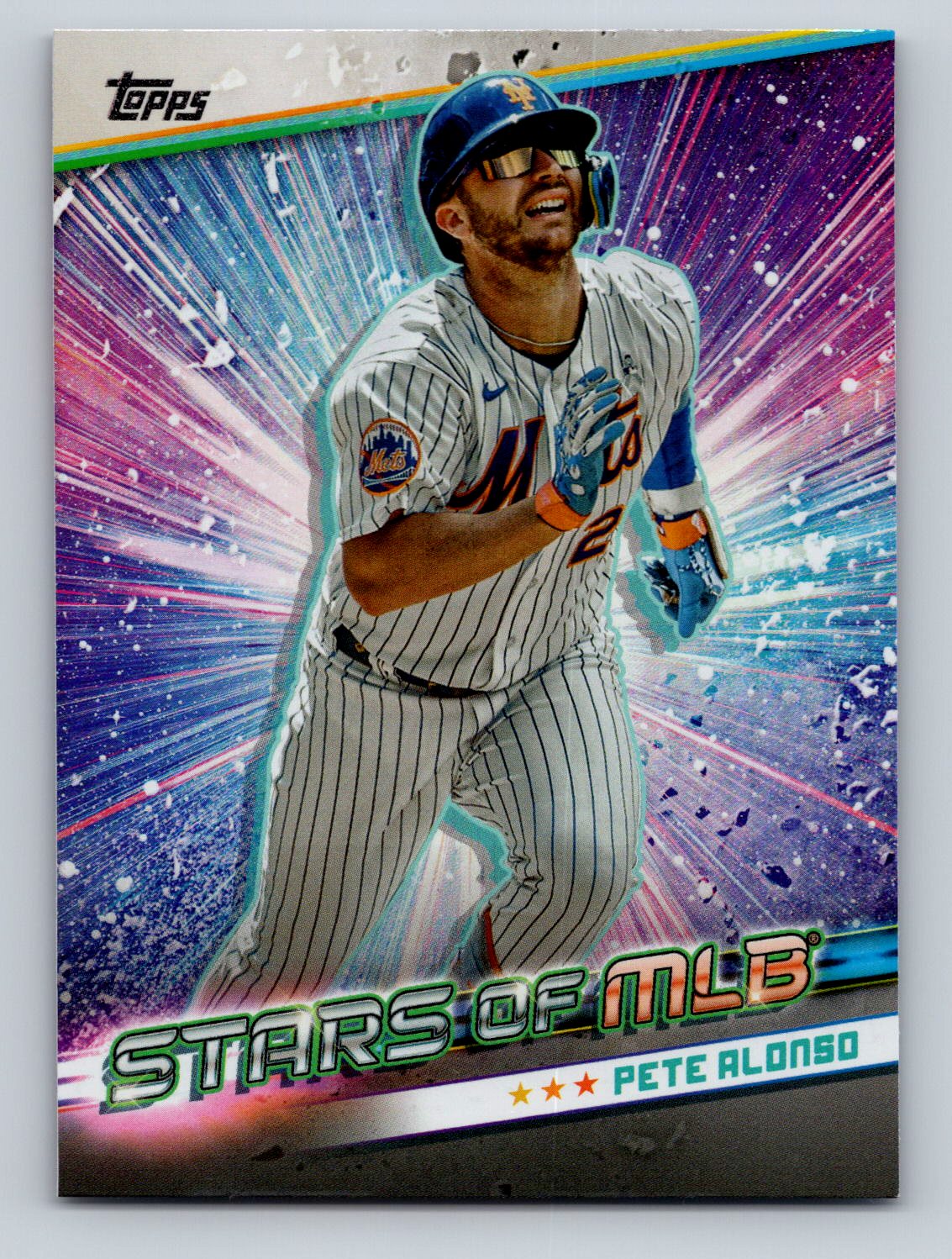
The Pete Alonso Stars of MLB trading card has become a lightning rod in the modern baseball card market, sparking debates that stretch far beyond mere cardboard and ink. Collectors and investors alike are wrestling with a deceptively simple question: Is this card a savvy financial move, or just another fleeting fad in the hobby’s ever-shifting landscape? The fascination isn’t merely about the card itself—it’s about what it represents in a world where sports memorabilia has evolved from childhood pastime to high-stakes asset class. As we peel back the layers of this particular collectible, we uncover a story that’s as much about nostalgia and fandom as it is about potential profit margins and market trends.
The Allure of the Stars of MLB Series
The Stars of MLB series occupies a unique niche in the trading card universe, blending the authenticity of licensed MLB content with the accessibility of modern production techniques. Unlike vintage cards that demand deep pockets and patience, these contemporary issues cater to a broad audience—from seasoned collectors to casual fans who want a tangible connection to their favorite players. Pete Alonso, with his prodigious power and charismatic presence, is a natural fit for such a series. His rookie card already commands attention, but the Stars of MLB variant adds a fresh layer of intrigue, often featuring exclusive parallels, autographs, or relics that elevate its desirability. For many, the card isn’t just a piece of memorabilia; it’s a bridge between the player’s on-field heroics and the collector’s personal narrative.
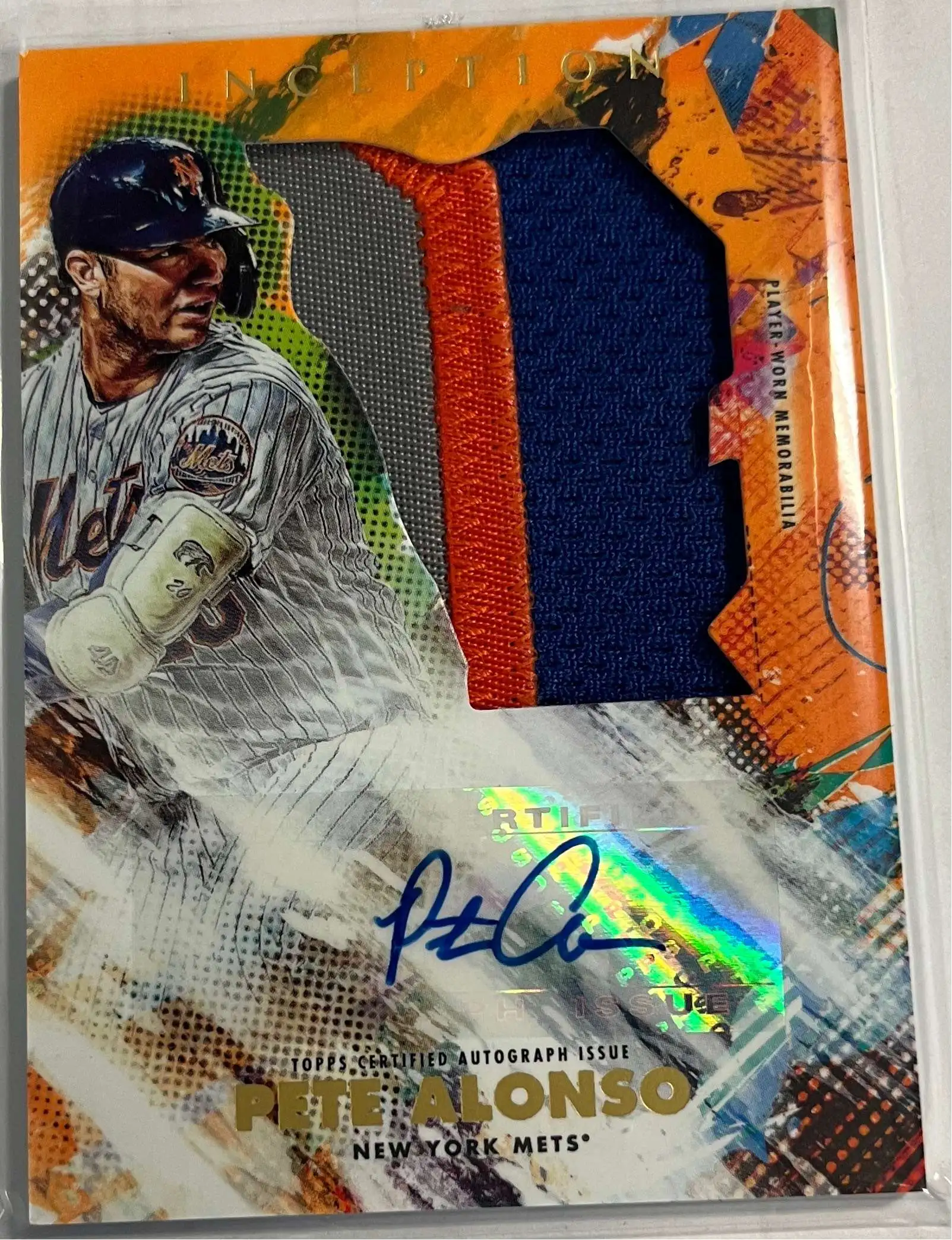
The series’ appeal is further amplified by its limited print runs and the inclusion of modern collectibles like jersey patches or bat fragments. These elements transform a simple trading card into a miniature museum piece, one that tells a story of a player’s journey. For Alonso, whose career has been marked by meteoric rises and clutch performances, the card becomes a canvas for fans to project their own memories—whether it’s the 2019 Home Run Derby victory or the 2022 All-Star Game heroics. In an era where digital highlights dominate, the tactile nature of a physical card offers a rare, almost meditative connection to the game.
Market Dynamics: Where Hype Meets Reality
Investing in sports cards is rarely a straightforward endeavor, and the Pete Alonso Stars of MLB card is no exception. The market for modern baseball cards has experienced seismic shifts in recent years, driven by a mix of speculative fervor, social media hype, and the lingering effects of the pandemic-era collecting boom. Prices for top-tier modern cards have soared to dizzying heights, only to correct sharply when reality sets in. The Alonso card, while not at the absolute apex of the market, sits in a sweet spot where demand is high but not yet saturated. This balance makes it a compelling case study in the broader trends shaping the hobby.
One of the most intriguing aspects of the modern card market is its democratization. Unlike the exclusive circles of vintage card collecting, where provenance and rarity are controlled by a handful of gatekeepers, modern cards are accessible to anyone with an internet connection and a credit card. Platforms like eBay, PWCC, and Heritage Auctions have turned trading cards into a liquid asset class, where prices can fluctuate as wildly as cryptocurrency. For the Alonso card, this liquidity is a double-edged sword. On one hand, it means that buyers can enter and exit positions with relative ease. On the other, it exposes the card to the whims of mass psychology—where a single viral tweet or a player’s slump can send values plummeting overnight.
The card’s investment potential hinges on several key factors: Alonso’s career trajectory, the card’s scarcity, and the broader health of the sports memorabilia market. Alonso, now in his prime, has the potential to join the ranks of perennial All-Stars, which would naturally bolster the card’s long-term appeal. However, baseball is a fickle sport, and injuries or performance declines could quickly erode collector interest. The card’s scarcity, determined by its print run and distribution, also plays a crucial role. A card with a low print count in pristine condition could appreciate significantly over time, while an overproduced issue might languish. Finally, the market’s health is a wildcard—if the current correction deepens, even the most promising cards could see their values stagnate or decline.
The Psychology of Collecting: Why We Can’t Resist the Glitter
Beneath the spreadsheets and auction results lies a more profound, almost primal, reason for our fascination with trading cards: the desire to possess a fragment of greatness. The Pete Alonso Stars of MLB card isn’t just an investment; it’s a talisman. For many collectors, the act of acquiring a card is a ritual, a way to assert their connection to the game and its stars. This psychological undercurrent explains why some fans are willing to pay premium prices for cards that, on paper, might not justify the cost. The card becomes a symbol of hope—a belief that Alonso’s best days are ahead, and that by owning a piece of his legacy, they too can share in his success.
This phenomenon isn’t unique to baseball. Across sports and eras, trading cards have served as emotional anchors, tying fans to the athletes they admire. The difference today is the scale of the market and the speed at which trends emerge and fade. Social media amplifies this effect, turning collectors into a hive mind where FOMO (fear of missing out) drives purchasing decisions. A single post from a prominent collector or influencer can send prices skyrocketing, while a negative performance review can trigger a sell-off. The Alonso card, with its blend of star power and modern appeal, is particularly susceptible to these viral cycles. For investors, understanding this psychological dimension is as critical as analyzing market data—because in the end, the value of a card is only as strong as the emotions it evokes.
Risks and Rewards: A Calculated Gamble
Investing in the Pete Alonso Stars of MLB card is, at its core, a calculated gamble. The rewards could be substantial—a card that appreciates tenfold over a decade, a prized possession that becomes a centerpiece of a collection, or even a legacy piece passed down through generations. But the risks are equally real. The card’s value could stagnate if Alonso’s career stalls or if the broader market cools. Condition is another critical factor; even the most desirable card loses its luster if it’s creased, stained, or poorly centered. For collectors who plan to hold the card long-term, the risk of damage over time is a constant concern.
Another layer of complexity comes from the card’s secondary market. Unlike stocks or bonds, sports cards lack standardized pricing mechanisms, making it difficult to gauge true value. Auction results can be skewed by shill bidding or one-off sales, while grading companies like PSA and BGS introduce their own biases and inconsistencies. The Alonso card’s value may also be influenced by external factors, such as the health of the Mets franchise or Alonso’s off-field endorsements. A player’s marketability can shift rapidly, and a card tied to a fading star may struggle to retain its appeal.
For those considering the card as a financial asset, diversification is key. Relying solely on one card or player is a high-stakes strategy that could backfire spectacularly. A balanced portfolio might include a mix of vintage and modern cards, different sports, and varying levels of rarity. The Alonso card could serve as a cornerstone in such a portfolio, but it should be complemented by other investments that mitigate risk. For collectors who prioritize passion over profit, the card’s value is measured in joy rather than dollars—a distinction that often leads to more fulfilling long-term outcomes.
The Future of the Hobby: What Lies Ahead for Modern Cards
The Pete Alonso Stars of MLB card is a microcosm of the modern trading card industry, a sector that’s evolving at a breakneck pace. As technology advances, so too do the ways in which collectors interact with cards. Digital collectibles, blockchain-verified authenticity, and augmented reality experiences are reshaping the hobby, blurring the lines between physical and virtual ownership. For a card like Alonso’s, these innovations could introduce new layers of value—imagine a card that unlocks exclusive content or a virtual meet-and-greet with the player. Such features could enhance the card’s appeal and drive demand in ways we’re only beginning to understand.
Yet, for all the technological advancements, the fundamental appeal of trading cards remains unchanged. They are, at their heart, stories told in cardboard and ink. The Alonso card, with its bold design and connection to one of baseball’s most dynamic players, taps into this timeless narrative. Whether it becomes a blue-chip investment or a cherished keepsake, its true value lies in the emotions it inspires. As the hobby continues to grow and adapt, the cards that endure will be those that resonate on a personal level—cards that make us feel, even if just for a moment, like we’re part of the game itself.

The Pete Alonso Stars of MLB card is more than a piece of cardboard; it’s a mirror held up to the modern collector’s soul. It reflects our hopes, our fears, and our unshakable belief in the power of sport to inspire. Whether it’s a shrewd investment or a sentimental treasure, its value transcends the numbers on a spreadsheet. In a world that often feels fragmented and fleeting, the card offers a tangible link to the heroes we admire—a reminder that sometimes, the most meaningful investments aren’t measured in dollars, but in the joy they bring.