The allure of a Ted Williams autographed baseball transcends mere fandom—it’s a tangible connection to one of baseball’s most electrifying hitters, a man whose .406 batting average in 1941 remains untouched as the last .400 season in the modern era. For collectors, the value of such an artifact isn’t just financial; it’s emotional, historical, and often speculative. But what are the real prices collectors are paying right now? The market for Ted Williams autographed baseballs is as nuanced as the Splendid Splinter’s swing itself, with factors like provenance, condition, and authentication dictating the final tally. Whether you’re a seasoned collector or a curious newcomer, understanding the landscape of Ted Williams memorabilia—from game-used bats to signed baseballs—can mean the difference between a shrewd investment and a costly misstep.
The Hallmarks of Authenticity: What Makes a Ted Williams Autograph Valuable
Not all Ted Williams autographs are created equal. The first and most critical factor in determining value is authenticity. With a career spanning 1939 to 1960—interrupted only by military service during World War II and the Korean War—Williams’ signature evolved over time. Early autographs from the 1940s and 1950s often feature a more fluid, less stylized script, while later signatures, particularly those from the 1980s and 1990s, may show signs of aging hands or deliberate embellishments. Collectors prize signatures that match known examples from specific eras, verified by third-party authentication services like PSA/DNA, JSA, or Beckett.
Another layer of authenticity lies in the medium. A baseball signed by Ted Williams in the 1950s carries more weight than one signed decades later, especially if it was done in a controlled setting, such as a private signing session or during a game. The ink used, the pressure of the pen strokes, and even the baseball’s manufacturer (Rawlings was the standard during Williams’ era) can all influence perceived value. For instance, a baseball signed with a fountain pen in the 1940s might fetch a premium over a Sharpie-signed ball from the 1990s, despite both bearing Williams’ name.
Provenance is the final pillar of authenticity. A signed baseball accompanied by a letter of authenticity, a photo of Williams signing it, or a chain of custody from a reputable dealer adds layers of credibility. Without it, even a genuine signature can be dismissed as a forgery in the eyes of serious collectors. The market abounds with cautionary tales of “authenticated” signatures that later proved fraudulent, underscoring the importance of due diligence.
Condition and Rarity: The Double-Edged Sword of Collectibility
Condition is king in the world of sports memorabilia, and Ted Williams autographed baseballs are no exception. A baseball signed by Williams in pristine condition—with sharp ink, minimal fading, and no cracks in the leather—can command prices exponentially higher than one showing signs of wear. The baseball’s surface itself tells a story: a ball signed during a game might bear scuffs or bat marks, adding character but potentially detracting from value. Conversely, a ball signed in a pristine environment, such as a controlled signing session, might lack the “game-used” patina but fetch a higher price due to its immaculate state.
Rarity amplifies value. Ted Williams’ autographs on baseballs are relatively common compared to his game-used bats or jerseys, but certain subsets stand out. For example, baseballs signed during Williams’ rookie season (1939) or his final game (September 28, 1960) are exceedingly rare. Even within these categories, the number of signed baseballs in circulation is limited by Williams’ famously reclusive nature—he avoided autograph seekers and rarely signed in bulk. A baseball signed by Williams in 1941, the year he flirted with .400, could sell for five figures, while a generic 1990s signing might linger in the mid-hundreds.
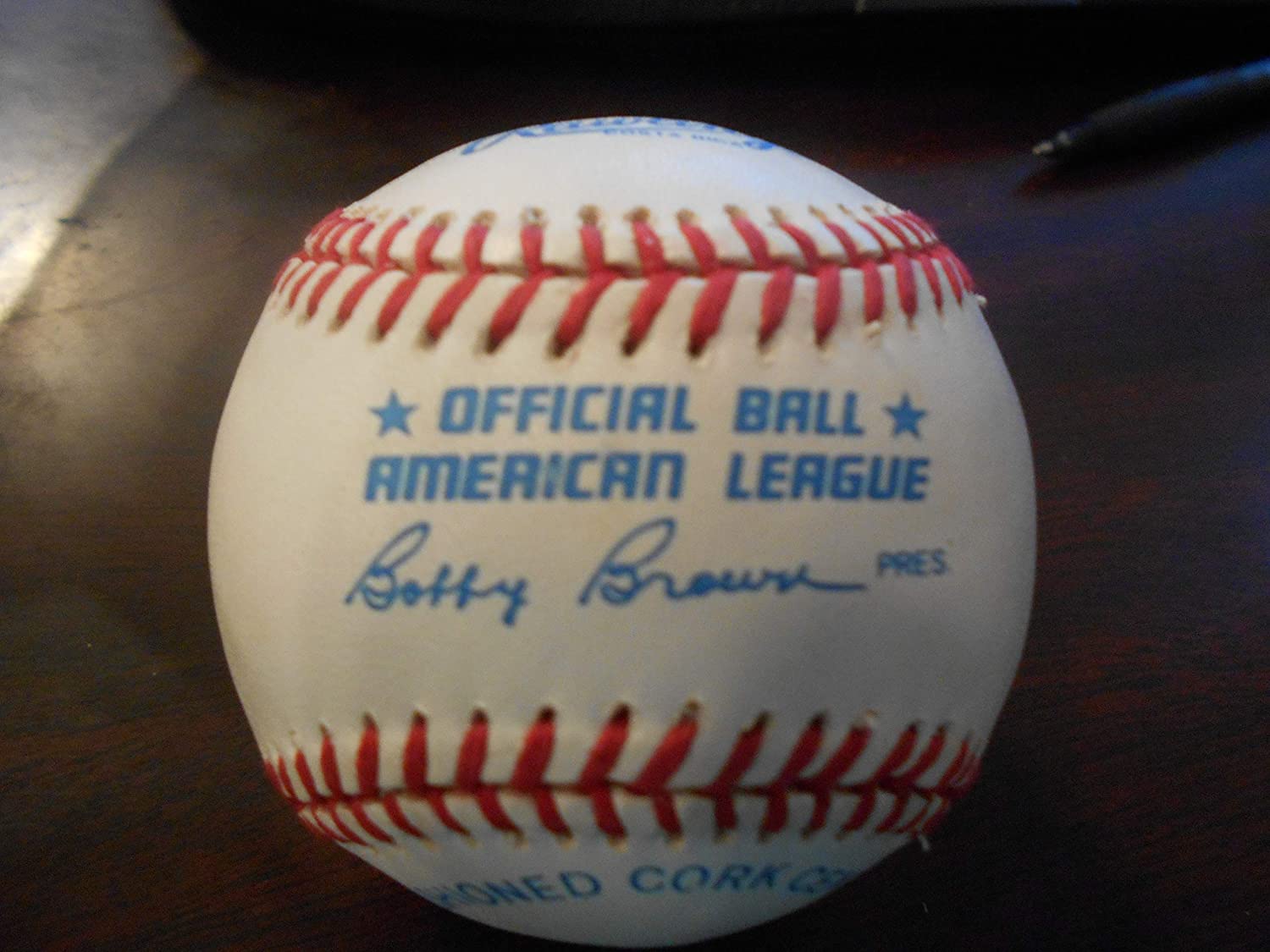
The type of baseball also plays a role. Official Major League Baseballs from Williams’ era, stamped with the Rawlings logo and the league’s specifications, are more desirable than modern commemorative balls. A baseball signed on a 1950s Rawlings ball with the league stamp intact is a collector’s dream, whereas a generic ball signed decades later lacks the same historical resonance. The devil, as they say, is in the details—and in the case of Ted Williams, those details are etched in ink and leather.

Market Trends: What Collectors Are Paying in 2024
The market for Ted Williams autographed baseballs has seen ebbs and flows, influenced by broader trends in sports memorabilia, economic conditions, and the occasional blockbuster sale. As of 2024, the average price for a PSA/DNA-graded Ted Williams autographed baseball ranges from $2,500 to $15,000, depending on the factors outlined above. Top-tier pieces—such as a 1941-signed ball in Gem Mint condition or a game-used ball from Williams’ final season—can exceed $50,000 at auction. Meanwhile, lower-grade signatures or modern signings might fetch $500 to $1,500.
Auction houses like Heritage Auctions and SCP Auctions have become battlegrounds for Ted Williams memorabilia, with prices often surpassing pre-sale estimates. In 2023, a 1946-signed baseball graded PSA/DNA 10 sold for $42,000, a testament to the enduring appeal of Williams’ post-war years. Similarly, a 1957-signed ball with a letter of authenticity from Williams’ personal secretary fetched $28,000. These sales underscore a key trend: provenance and era-specific signings are the primary drivers of value, not just the presence of Williams’ signature alone.
Online marketplaces like eBay and Heritage Auctions’ private sales also reflect this stratification. A quick search reveals listings ranging from $800 for a mid-tier 1980s signing to $35,000 for a 1940s game-used ball. The disparity highlights the importance of research—buyers must scrutinize listings for authenticity markers, condition reports, and seller reputations. The rise of third-party grading services has also democratized the market, allowing collectors to compare apples to apples when evaluating condition and authenticity.
Another trend is the growing interest in “dual-signed” items, such as baseballs signed by Williams and another Hall of Famer, such as Joe DiMaggio or Mickey Mantle. These pieces often command premiums, especially if the co-signers were contemporaries or rivals. A baseball signed by Williams and DiMaggio, for example, could sell for $75,000 or more, blending the appeal of two legends into a single artifact. Such combinations are rare, but when they surface, they ignite bidding wars among collectors eager to own a piece of baseball’s golden age.

Where to Buy: Navigating the Labyrinth of Dealers and Auctions
For collectors seeking a Ted Williams autographed baseball, the path to acquisition is fraught with pitfalls—and opportunities. Reputable dealers are the safest bet, particularly those with a track record in vintage sports memorabilia. Established names like Memory Lane Inc., SCP Auctions, and Goldin Auctions specialize in high-end Ted Williams pieces, offering graded items with ironclad provenance. These dealers often provide detailed condition reports, authentication certificates, and even video walkthroughs of the items, reducing the risk of buyer’s remorse.
Auction houses, both live and online, are another avenue, though they require a more hands-on approach. Heritage Auctions, for instance, hosts multiple sports memorabilia auctions annually, with Ted Williams items frequently appearing in their “Game Used” and “Autographed” categories. The thrill of bidding can lead to competitive prices, but it also demands patience and discipline. Setting a budget beforehand is crucial—it’s easy to get swept up in the excitement of a bidding war, only to regret an impulsive purchase.
Online marketplaces like eBay offer a mixed bag. While the platform provides access to a vast array of Ted Williams autographed baseballs, the risk of counterfeits is ever-present. Buyers should prioritize listings with high seller ratings, detailed photos, and third-party authentication. Avoid deals that seem too good to be true—if a Ted Williams autographed baseball is priced at $200 with no provenance, it’s likely a red flag. Conversely, a well-documented piece from a trusted seller might justify a higher price, even if it stretches the budget.
For the adventurous collector, estate sales and flea markets can yield hidden gems. Williams’ autographs occasionally surface in unexpected places, from attics to antique shops, often at prices far below market value. The key here is knowledge: understanding Williams’ signature variations, the types of baseballs he likely signed, and the red flags of forgeries can turn a casual browse into a lucrative find. Networking with local memorabilia clubs or attending sports card shows can also provide leads, as collectors often share tips on upcoming sales or private collections hitting the market.
Investment Potential: Is a Ted Williams Autographed Baseball a Smart Buy?
The question of whether a Ted Williams autographed baseball is a sound investment depends on several variables, including market timing, condition, and long-term demand. Historically, Ted Williams memorabilia has appreciated steadily, with top-tier pieces appreciating at rates comparable to fine art or rare coins. A PSA/DNA 10 graded 1941-signed baseball, for example, sold for $12,000 in 2010 and fetched $42,000 in 2023—a 250% increase in just over a decade. This trajectory suggests that high-quality Ted Williams items are not just collectibles but appreciating assets.
However, not all Ted Williams autographed baseballs are created equal in the eyes of investors. Lower-grade signatures or modern signings may not appreciate significantly, especially if they lack provenance or rarity. The market for Ted Williams memorabilia is driven by nostalgia and the enduring mythos of his career, which means that pieces tied to his most iconic moments—his .406 season, his Triple Crown wins, or his final game—are more likely to hold or increase in value. A baseball signed during the 1946 World Series, for instance, would be a far safer investment than a generic 1990s signing.
Another consideration is liquidity. While top-tier Ted Williams items are always in demand, lower-tier pieces can sit on the market for years, especially during economic downturns. Collectors should view autographed baseballs as long-term holds rather than quick flips. The market for sports memorabilia is cyclical, and while Ted Williams’ legacy is secure, external factors like recessions or shifts in collecting trends can temporarily dampen demand. Patience is key—those who hold onto high-quality pieces often reap the rewards when the market rebounds.
The emotional factor cannot be overlooked. For many collectors, the value of a Ted Williams autographed baseball transcends dollars and cents. It’s a piece of history, a tangible link to a player whose career spanned eras and whose influence on the game is immeasurable. Whether it’s a ball signed in his rookie year or one from his final game, the connection to Williams’ legacy is what drives demand—and what makes the market for his memorabilia so resilient.
The Ted Williams autographed baseball market is a microcosm of the broader sports memorabilia world—a landscape where history, authenticity, and emotion collide to create value. For collectors, the pursuit of these artifacts is as much about preserving a legacy as it is about financial gain. Whether you’re drawn to the pristine ink of a 1940s signature, the rugged charm of a game-used ball, or the rarity of a dual-signed piece, the key is knowledge. Understanding the nuances of Williams’ career, the intricacies of authentication, and the ever-shifting tides of the market can mean the difference between a prized possession and a costly mistake.
As the years pass, Ted Williams’ legend only grows, and with it, the value of his autographed baseballs. For those willing to invest the time and resources, these artifacts offer more than just a financial return—they provide a direct line to one of baseball’s most extraordinary figures. In a world where memories fade and records are broken, a Ted Williams autographed baseball remains a steadfast reminder of greatness, both on and off the field.