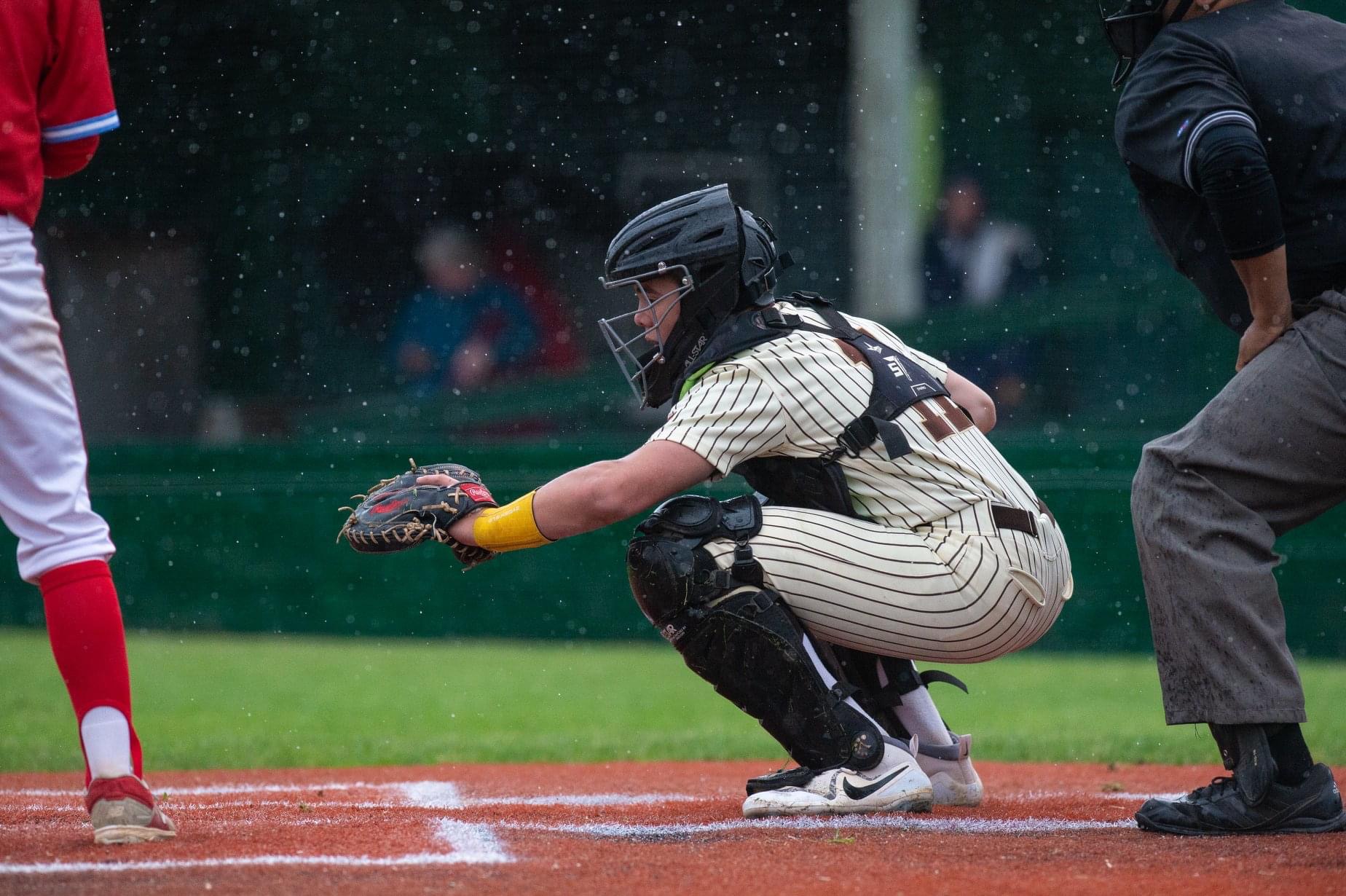
Baseball, often called America’s pastime, is a sport steeped in tradition, strategy, and subtle complexities that unfold with each pitch, swing, and stolen base. Yet, beneath the thunderous crack of bats and the roar of the crowd lies a fundamental rule so simple it’s almost invisible—one that even lifelong fans sometimes overlook. Every inning in baseball begins with a single, unchanging act: the pitcher delivering the ball to the catcher. This isn’t just a procedural formality; it’s the immutable starting point of every inning, a ritual that sets the stage for drama, strategy, and the unpredictable dance between offense and defense. While it may seem self-evident, this foundational element carries deeper implications for the game’s rhythm, psychology, and even its cultural resonance.
The Unseen Anchor of Baseball’s Structure
At first glance, the idea that every inning begins with a pitch might appear trivial—after all, baseball is a sport of repetition, where the same actions recur with mechanical precision. Yet, this repetition is precisely what gives the game its hypnotic allure. The pitcher’s delivery to the catcher is not merely the first play of the inning; it is the silent metronome that governs the ebb and flow of the entire contest. Without this consistent starting point, the game would lack its rhythmic heartbeat, the predictable cadence that allows players and fans alike to settle into the experience. This structure is what transforms baseball from a series of isolated moments into a cohesive narrative, where each inning builds upon the last in a carefully orchestrated progression.
Consider the contrast with sports like basketball or football, where the start of a possession or drive can vary wildly—fast breaks, turnovers, or sudden shifts in momentum. Baseball, by contrast, resets with every inning, offering a clean slate where the pitcher and batter face each other in a primal, one-on-one duel. This ritualistic reset is what makes baseball feel timeless, a game where the past is never truly erased, but where the future remains unwritten until that first pitch crosses the plate.
The Psychological Chess Match of the First Pitch
While the rule itself is simple, the psychology behind it is anything but. The first pitch of an inning is more than a formality; it’s the opening gambit in a high-stakes psychological chess match. Pitchers and batters engage in a silent negotiation before the ball is even thrown, each studying the other’s body language, stance, and tendencies. A pitcher might feign confidence with a slow windup, while a batter could betray nerves with a tight grip on the bat. The first pitch, whether it’s a blazing fastball or a deceptive curveball, sets the tone for the entire inning. A well-placed strike can intimidate, while a ball in the dirt might embolden the hitter.
This mental duel is a microcosm of baseball’s broader appeal—the way it rewards patience, strategy, and the ability to read subtle cues. Unlike sports where physical dominance can override subtlety, baseball is a game where inches and seconds matter, where a single pitch can shift the balance of power. The first pitch is the ultimate test of preparation versus intuition, a moment where years of practice and split-second decisions collide. It’s no wonder that even the most seasoned players describe a sense of déjà vu when stepping into the batter’s box, as if they’ve lived this exact moment a thousand times before.
The Ritual That Transcends Generations
Baseball’s rituals are its lifeblood, and the act of starting every inning with a pitch is one of its most enduring. This tradition stretches back to the game’s earliest days, when pitchers like Cy Young and Walter Johnson dominated with little more than raw power and a keen eye. Today, pitchers like Gerrit Cole and Shohei Ohtani bring a blend of artistry and athleticism to the mound, yet the fundamental premise remains unchanged. The first pitch is a thread that connects the dead-ball era to the modern game, a constant that reminds us that while equipment and training evolve, the essence of baseball endures.
This continuity is part of what makes baseball feel like a living museum. When a pitcher toes the rubber and delivers that first pitch, they are participating in a ritual that has been repeated millions of times over the past century and a half. It’s a humbling thought—one that underscores how baseball is as much about heritage as it is about competition. The first pitch is a bridge between the past and present, a reminder that every swing, every strikeout, and every home run is part of a larger story that began long before any of us were born.
The Unwritten Rules That Shape the Game
Beyond the official rules, baseball is governed by an intricate web of unwritten codes that dictate everything from how a pitcher should respond to a home run to how a batter should handle a brushback pitch. The first pitch of an inning is no exception. While there are no explicit rules about what type of pitch should be thrown first, there are unspoken expectations. A pitcher might start with a fastball to establish the zone, or a breaking ball to catch the batter off guard. A batter, in turn, might look for a particular pitch based on the pitcher’s tendencies or the game situation. These unspoken agreements add another layer of complexity to the game, turning what appears to be a simple act into a nuanced dance of strategy and psychology.
This layer of subtlety is what separates baseball from other sports. In football, the first play of a drive is often a predictable run or pass, dictated by the playbook. In basketball, the opening possession might be a set play or a fast break. But in baseball, the first pitch is a blank canvas, a moment where anything can happen. It’s this unpredictability, this refusal to conform to rigid expectations, that keeps fans on the edge of their seats. The first pitch is where the game’s magic begins—where the tension is highest, the stakes are clear, and the players are left to navigate the unknown.
The Emotional Weight of the First Pitch
For players, the first pitch carries emotional weight that goes beyond strategy. It’s a moment of vulnerability, a chance to assert dominance or succumb to pressure. A pitcher who struggles with the first pitch of an inning might find themselves in a hole before the game has truly begun, while a batter who falls behind in the count early can quickly spiral into frustration. This emotional rollercoaster is part of what makes baseball so compelling to watch. The first pitch is where heroes are made and legends are undone, where a single moment can define a player’s performance for the rest of the game.
Fans, too, feel the emotional pull of the first pitch. There’s a collective intake of breath as the pitcher winds up, a shared moment of anticipation that binds everyone in the stadium. Whether it’s a crucial playoff game or a casual summer matchup, the first pitch is where the story begins. It’s the point of no return, the moment when the game’s narrative starts to unfold. And while the outcome of that first pitch may be unpredictable, the ritual itself is a constant—a reminder that in baseball, some things never change.
The Deeper Fascination with Baseball’s Simplicity
It’s easy to dismiss the first pitch as a mere formality, but doing so overlooks the deeper reasons why baseball continues to captivate millions. The game’s beauty lies in its simplicity, in the way it distills competition into a series of one-on-one battles. The first pitch is the purest expression of this simplicity—a pitcher and a batter, separated by 60 feet, six inches, locked in a duel that will determine the fate of the inning. There are no timeouts, no substitutions, no distractions. Just two players, a ball, and a bat, engaged in a timeless struggle.
This purity is what makes baseball feel like a refuge in an increasingly chaotic world. In an era of highlight reels and instant replays, baseball remains a sport where the action unfolds in real time, where every pitch, every swing, and every catch is a moment that can never be recaptured. The first pitch is the gateway to this world, the first step in a journey that will take fans through the highs of a walk-off home run and the lows of a double play. It’s a reminder that sometimes, the most profound experiences come from the simplest of beginnings.