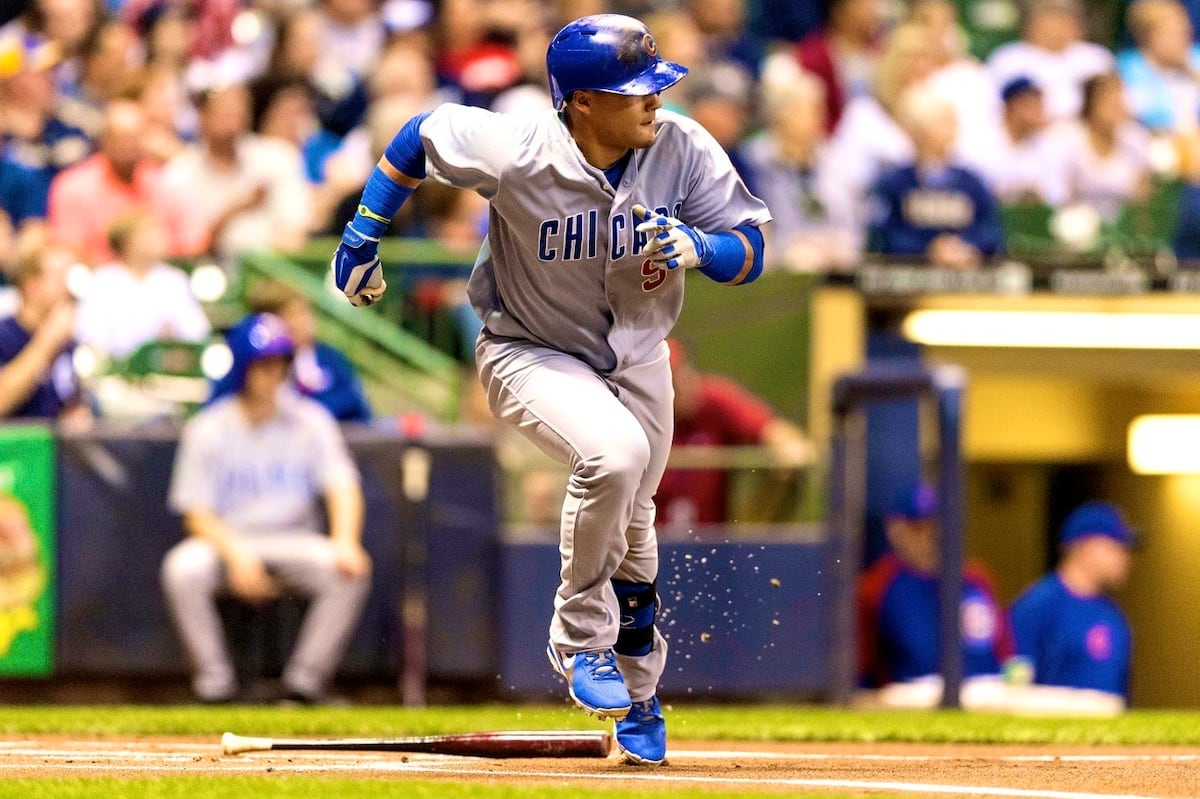
The debate surrounding Nomar Garciaparra’s candidacy for the Baseball Hall of Fame is a compelling subject within the annals of Major League Baseball history. A player whose career was marked by dazzling highs and unfortunate injuries, Garciaparra’s tenure in the game elicited admiration and admiration as well as scrutiny over his long-term impact. As a six-time All-Star and two-time batting champion, his name frequently surfaces when discussing elite shortstops of his era. Yet, the Hall of Fame remains an exclusive pantheon, and the question persists: does Nomar’s body of work merit enshrinement among the legends? To dissect this issue, one must explore the compelling arguments both for and against his induction, examining statistical achievements, intangibles, and comparative context within baseball history.
Statistical Accomplishments and Offensive Prowess
Nomar Garciaparra dazzled with the bat, crafting a career that, statistically, was distinguished by excellence—albeit concentrated in a relatively short time span. Over 12 major league seasons, Garciaparra posted a .313 career batting average with 2,003 hits, 184 home runs, and 889 runs batted in. His offensive skills peaked in the late 1990s and early 2000s, during which he secured two American League batting titles (1999, 2000) and consistently posted on-base plus slugging (OPS) figures well above league average.
His ability to hit for both average and power, combined with an innate knack for hitting in clutch situations, established him as one of the premier offensive shortstops of his generation. This was during an era where offensive production from the shortstop position was not as prevalent as in later years. Moreover, Garciaparra’s quick bat and exceptional hand-eye coordination made him a perennial threat at the plate, reflected in multiple top-5 finishes in MVP voting across his career peak.
Fielding and Defensive Contributions
While Garciaparra’s bat is often extolled, his defensive capabilities present a more layered narrative. Playing primarily at shortstop—a position demanding agility, impeccable range, and leadership—Nomar displayed solid defensive skills but was never lauded as an elite defender. Although a dependable fielder, his range and arm strength were considered average compared to contemporaries with more defensive acclaim.
Injuries also hindered his defensive output, resulting in time spent at third base and designated hitter later in his career. Despite a Gold Glove Award earned in 2002, the consensus among defensive analysts often pointed to limitations that prevented him from dominating both sides of the game equally. This aspect weighs heavily when assessing Hall of Fame worthiness, especially since many inductees at the shortstop position boast consistent excellence in both offense and defense.
Impact of Injuries and Career Longevity
A pivotal dimension in Garciaparra’s Hall of Fame debate is the impact of recurrent injuries on his career longevity and cumulative achievements. A wrist injury in 2001, followed by subsequent ailments including a fractured hand and knee issues, disrupted the rhythm of a career once projected to reach even loftier heights. These health setbacks truncated his peak years, limiting his ability to accumulate raw statistics that Hall of Fame voters often prize.
The sabermetric community frequently considers longevity and cumulative value essential components of Hall induction criteria. Although Garciaparra’s peak was prolific, his comparatively shorter prime diminishes the cumulative dominance seen in many Hall of Fame shortstops. Nevertheless, some argue that his sheer talent and performance when healthy should carry considerable weight despite the injury-shortened arc.
Comparisons with Hall of Fame Peers
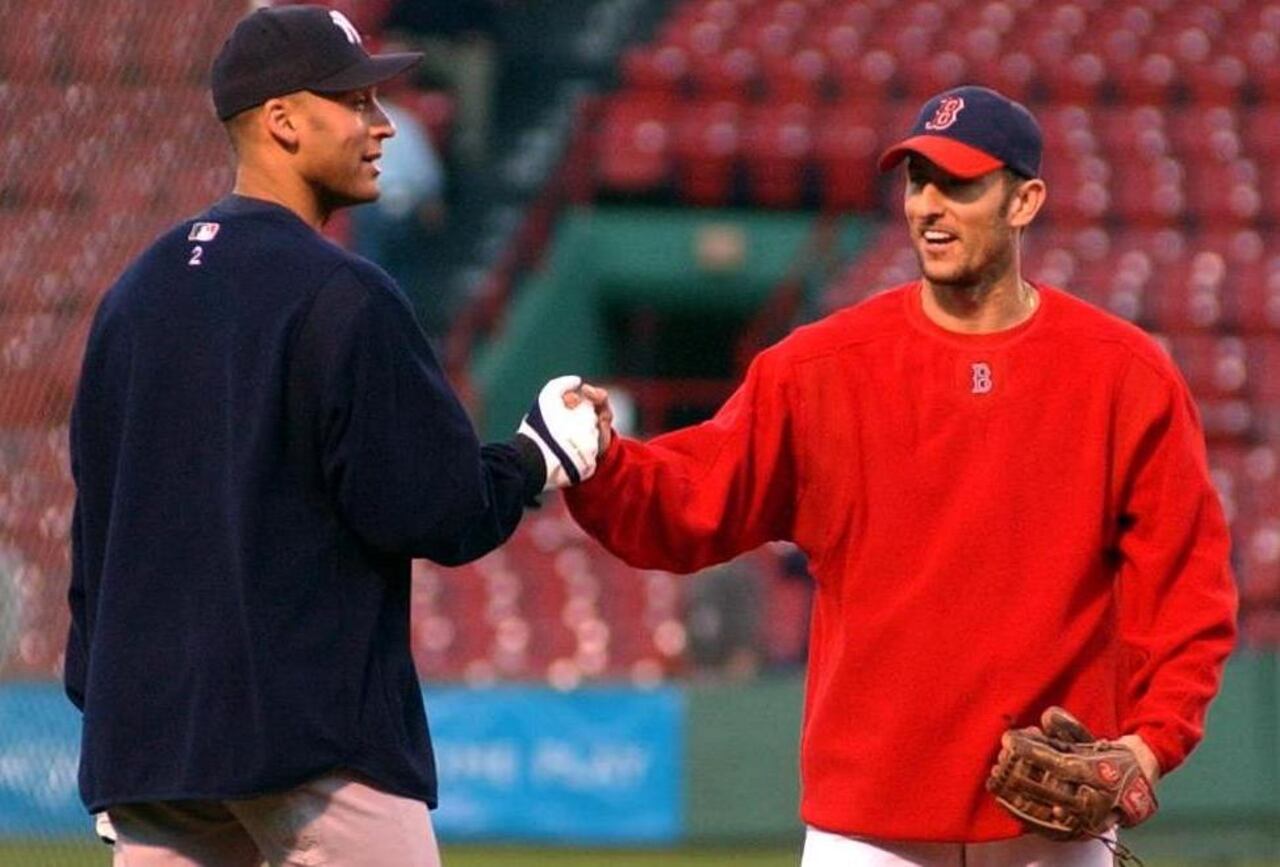
Evaluating Nomar Garciaparra’s Hall of Fame case also involves placing him alongside established Hall of Famers and elite shortstops of his era. Players such as Cal Ripken Jr., Ozzie Smith, and Derek Jeter epitomize benchmarks against which Nomar’s career is measured. Ripken and Jeter, for example, combined offensive prowess with durability and intangibles that prolonged their effectiveness.
Garciaparra’s offensive production in his peak years rivals that of some Hall of Famers, but the absence of longevity and defensive legend status creates a disparity. Unlike these legends who successfully bridged offense, defense, and leadership over sustained periods, Nomar’s narrative is more a story of flashes of brilliance interrupted by physical limitation. While not detracting from his skill, this comparative analysis fuels arguments against his enshrinement.
Cultural and Fan Impact
Beyond numbers and metrics, Garciaparra’s cultural imprint on baseball fans and cities is undeniable. His charismatic presence in Boston and later in Chicago and Los Angeles energized fan bases and inspired young athletes. He became a symbol of elegance and precision at the plate, celebrated for his smooth swing and clutch performances in key moments during the postseason.
This emotional and intangible legacy, while qualitative and less measurable, plays into Hall of Fame considerations in subtle ways. The institution honors not only statistical milestones but also players whose personas and contributions helped shape the game’s narrative and broaden its appeal. Nomar’s ability to connect with fans, his impact on baseball culture, and memorable moments provide an affective argument in favor of his enshrinement.
The Sabermetric Evaluation and Advanced Analytics
Modern analytics provide another vantage point on Garciaparra’s Hall credentials. Advanced metrics such as Wins Above Replacement (WAR) situate players within a comprehensive framework, integrating offense, defense, and base running while adjusting for era and ballpark factors. Nomar’s career WAR, while respectable, falls short of many first-ballot Hall of Famers.
According to some sabermetric evaluations, his value, though impactful during his peak, lacks the sustained elite contributions required for automatic induction. However, this set of metrics also illuminates just how unique his peak performances were, presenting a complex picture that makes clear-cut decisions challenging. His WAR totals reflect the narrative of brilliance curtailed by injury, providing data-driven ammunition for the ‘against’ side while acknowledging undeniable skill.
The Case for Induction
Proponents of Garciaparra’s induction emphasize his statistical peaks, offensive dominance among shortstops during his era, and the subjective value of his fan and cultural appeal. They argue that the Hall of Fame should recognize transcendent talent, even when injuries temper career longevity. Nomar defined a generation’s shortstop archetype with his hitting flair and contributed meaningfully to postseason battles.
Moreover, they contend that his two batting titles and numerous All-Star appearances illustrate a level of excellence achieved by few players. His impact on the game extends beyond raw numbers to include mentorship, professionalism, and a legacy of charisma that enriched MLB’s narrative fabric.
The Case Against Induction
Conversely, detractors underscore the relatively brief duration of Garciaparra’s dominant stretch and defensive limitations. Concerns about insufficient cumulative counting stats and a lack of comprehensive all-around greatness form the crux of the counterargument. Unlike other Hall of Fame shortstops, Garciaparra’s career lacked the consistent excellence over a decade or more that often characterizes inductees.
The weight of advanced metrics that underscore durability and body of work deepens skepticism. Critics argue that while the Hall honors peak performers, it ultimately prioritizes sustained value and multi-faceted contributions. Injuries aside, Garciaparra’s inability to stay on the field and field at elite levels reduces his case when compared meticulously with other enshrined players.
Conclusion: A Nuanced Legacy
Nomar Garciaparra’s candidacy for the Baseball Hall of Fame remains a nuanced topic, steeped in contrasts of prodigious talent and unfortunate adversity. The discussion transcends mere statistics, inviting consideration of intangibles, era contexts, and the evolving criteria by which baseball greatness is judged. For some, Garciaparra’s dazzling peak, cultural resonance, and offensive exploits signify a career worthy of the highest honor. For others, the absence of prolonged dominance and defensive mastery places him just shy of the pantheon.
Ultimately, the decision to enshrine Nomar Garciaparra will reflect a balance between quantitative measures and qualitative impact—an enduring testament to the complex artistry behind baseball’s greatest careers.