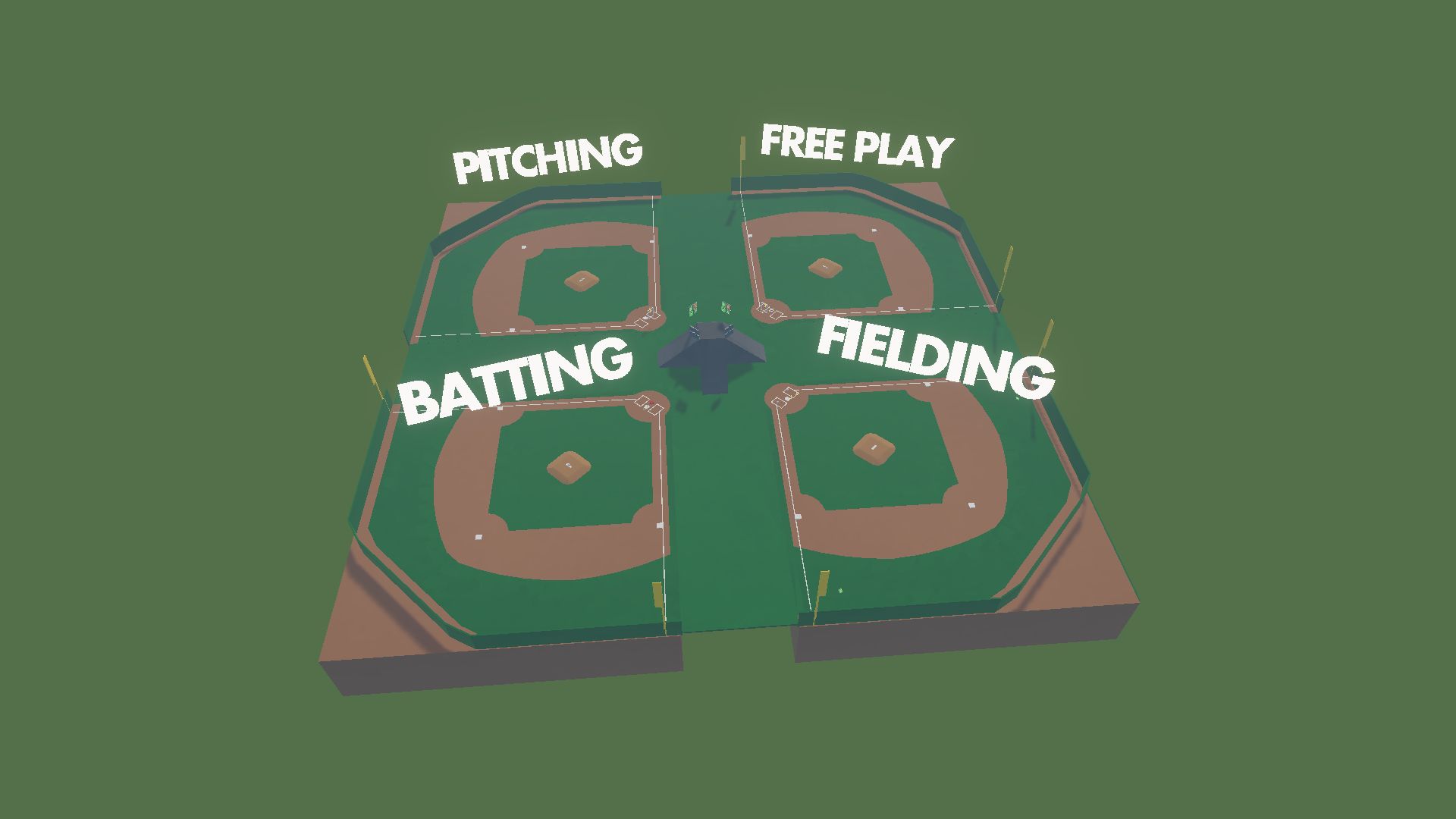
In the hallowed precincts of baseball’s training regimens, where the crack of bats echoes like distant thunder and the scent of freshly cut grass mingles with the metallic tang of ambition, there exists a practice so deftly woven into the fabric of preparation that it often goes unnoticed by the casual observer. This is the simulated game—a meticulously orchestrated rehearsal of reality, a shadow play where strategy is tested, weaknesses are exposed, and confidence is forged under the guise of competition. Far more than a mere drill, the simulated game is the crucible in which the raw ore of potential is refined into the gleaming metal of performance. It is the silent architect of clutch moments, the unsung choreographer of late-inning heroics, and the quiet guardian of a player’s mental fortitude when the scoreboard looms large.
The Simulated Game as a Mirror: Reflecting the Chaos of Competition
Imagine stepping into a hall of mirrors, each surface distorting reality just enough to challenge your perception—this is the essence of a simulated game. It is not a game in the traditional sense, nor is it a sterile practice session. Instead, it is a controlled illusion, a stage where the unpredictable tides of a real contest are distilled into a microcosm of pressure and precision. Pitchers face batters who swing with the ferocity of game-day adrenaline, fielders execute double plays with the urgency of a pennant race, and baserunners steal bases with the calculated daring of a playoff-bound squad. Every pitch, every swing, every decision is a deliberate brushstroke on the canvas of preparation, painting a picture that is as close to the real thing as possible without the finality of a scoreboard.
The genius of the simulated game lies in its ability to replicate the feel of competition without the stakes. It is the difference between sketching a masterpiece in charcoal and painting it in oils—both convey the vision, but only one carries the weight of permanence. Players learn to navigate the fog of fatigue, the distraction of crowd noise (even if it’s piped in through speakers), and the psychological weight of making a mistake in front of peers who are also sharpening their own blades. In this way, the simulated game becomes a looking glass, revealing not just flaws in mechanics but cracks in mental armor that might otherwise go unnoticed until the bright lights of October.
The Chessboard of Strategy: Where Moves Are Made in Silence
Baseball is often likened to chess, a game of inches where a single misstep can cascade into disaster. The simulated game elevates this metaphor to an art form. Here, managers and coaches become grandmasters, deploying platoons, shifting defenses, and testing pinch-hitters in a high-stakes game of cat-and-mouse. Every substitution, every pitch selection, every bunt attempt is a gambit, a probe into the opponent’s tendencies or a feint to disguise one’s own intentions. The beauty of the simulated game is that it allows for experimentation without consequence—like a composer scribbling in the margins of a symphony, trying out dissonant chords before committing to the final score.
Consider the pitcher who experiments with a new grip on his changeup, or the hitter who works on a late-count approach against a left-handed specialist. In a real game, such trials might be too risky; the simulated environment, however, is the perfect laboratory. Coaches can simulate specific game situations—bases loaded, two outs, a 3-2 count—to drill responses into muscle memory. It is here that the art of deception thrives: a stolen sign, a delayed steal, a pitchout called on a hunch. The simulated game is where strategy is not just discussed but lived, where the abstract becomes tangible, and where the seeds of in-game brilliance are sown in the quiet hours of preparation.
The Laboratory of Failure: Where Resilience Is Forged
There is a peculiar alchemy in failure, a transformative power that turns stumbles into stepping stones. The simulated game is the crucible where this alchemy is most potent. A pitcher walks three straight batters? He faces the same lineup again the next day, this time with a tighter rein on his emotions. A fielder boots a routine grounder? He fields 50 more in the same session, each repetition a penance and a lesson. The simulated game does not coddle; it exposes. It is the drill sergeant of baseball, barking orders in the dead of winter when the real season feels like a distant mirage.
This relentless pursuit of perfection is not about punishment—it is about preparation. The human brain is wired to avoid pain, but in the simulated game, pain is not just accepted; it is sought out. Players learn to compartmentalize errors, to treat a mishap as data rather than defeat. A walk in a simulated game is not a failure; it is a clue. A ground ball through the infield is not a mistake; it is a prompt to adjust positioning or footwork. The simulated game teaches players to treat every misstep as a teacher, a silent mentor whispering, “Do it again, but better.” In this way, it becomes the forge in which resilience is hammered into shape, ready to withstand the white-hot pressure of the regular season.
The Unseen Audience: How Simulated Games Shape Team Chemistry
Baseball is a team sport, but its individual moments—one pitch, one swing, one play—can define a season. The simulated game, though devoid of spectators, is a masterclass in team dynamics. It is where the outfielders learn to communicate seamlessly, where the bullpen warms up in unison, where the bench players feel the pulse of the game even when they’re not in the lineup. In this microcosm of competition, roles are clarified, egos are checked, and the unspoken bonds of camaraderie are strengthened. A simulated game is not just about individual performance; it is about the collective heartbeat of the team.
Consider the veteran who mentors a rookie through a simulated at-bat, or the closer who shares a tip with a setup man on fielding a bunt. These interactions, though subtle, are the threads that weave the fabric of a cohesive unit. The simulated game is where the team’s identity is refined, where the quiet rituals of preparation—taping bats, shagging fly balls, reviewing scouting reports—become the rituals of brotherhood. It is the place where the phrase “trust your teammates” ceases to be a slogan and becomes a lived experience. In the end, the simulated game is not just a tool for improvement; it is the glue that holds a team together when the road to October is long and arduous.
The Final Inning: Why Simulated Games Are the Unsung Heroes of Baseball
As the sun sets on another simulated game, the scoreboard may read 4-2, but the true victory is measured in the intangibles: the pitcher who found his release point, the infielder who made three plays he’d never attempted before, the manager who called a play that no one else dared. The simulated game is the unsung hero of baseball, the silent partner in every walk-off homer and every no-hitter. It is the bridge between potential and performance, the difference between “what if” and “what is.”
In an era where technology and analytics dominate the conversation, the simulated game remains a bastion of tradition, a testament to the timeless wisdom that preparation is the ultimate edge. It is where the art of baseball meets the science of repetition, where the chaos of competition is tamed into order, and where the seeds of greatness are planted long before the first pitch of the season is thrown. The simulated game is not just a practice tool—it is the heartbeat of baseball, steady and unyielding, pumping life into every swing, every pitch, every moment that defines the game we love.