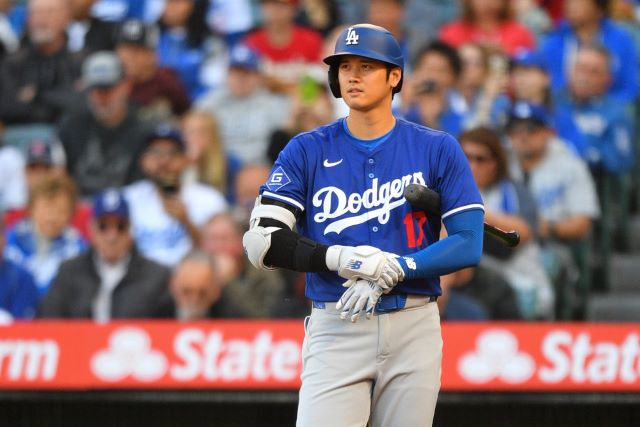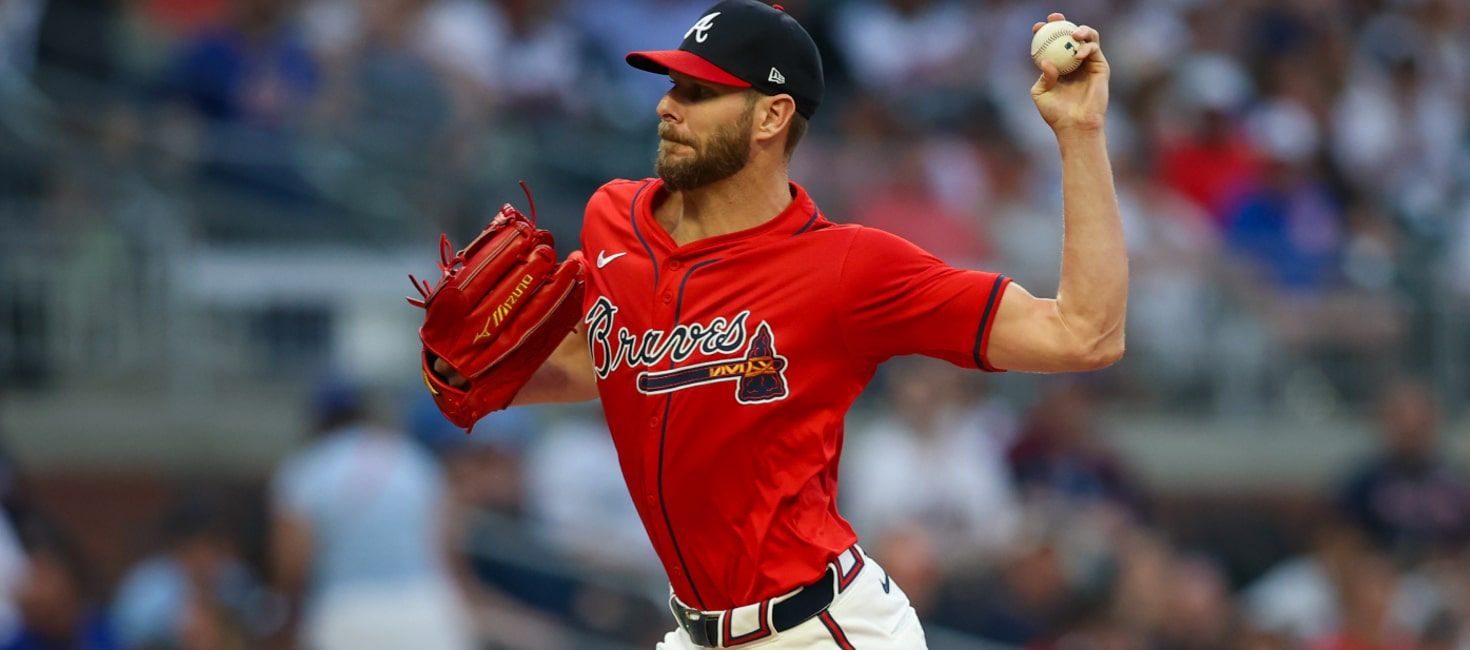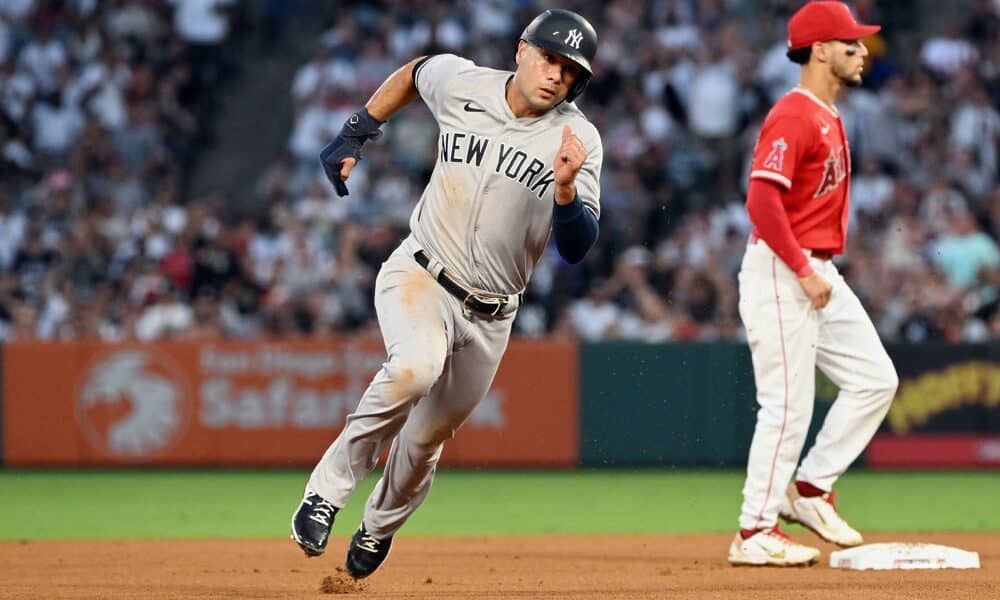
Ever stared at a blank fantasy baseball roster, clutching your mouse like a rookie pitcher facing a 100-mph fastball, wondering where to even begin? You’re not alone. The allure of drafting Mike Trout or Shohei Ohtani is undeniable, but the real magic—and the real challenge—lies in assembling a team that doesn’t crumble under the weight of injuries, slumps, or the cruel whims of the baseball gods. Welcome to the labyrinth of fantasy baseball, where strategy trumps luck, and a well-timed waiver wire pickup can catapult you from also-ran to league champion.
The Draft: Where Dreams Are Born (and Sometimes Buried)
Picture this: It’s draft day. Your heart races as the commissioner’s clock ticks down to zero. Do you snag the consensus top hitter, or do you gamble on a breakout ace? The draft is the foundation of your empire, and the first rule of thumb is to resist the siren call of “safe” picks. Sure, Ronald Acuña Jr. and Aaron Judge will anchor your lineup, but the real artistry lies in the mid-round gems—players like Gunnar Henderson or Corbin Carroll, whose ADP (Average Draft Position) belies their potential to outshine the superstars. Balance is key: target power in the early rounds, then pivot to speed and consistency in the middle, and don’t shy away from high-upside flyers in the late rounds. Remember, in fantasy baseball, the difference between first and last often comes down to that one overlooked closer or breakout reliever.
Auction Drafts: The High-Stakes Poker Game
If your league plays auction-style, the game changes entirely. No more waiting for your turn; now, every bid is a psychological chess match. Do you let someone else overpay for a star pitcher, saving your budget for a platoon of elite hitters? Or do you go all-in on a single ace, banking on their dominance to carry you through the season? The key is to set a budget spreadsheet before the auction even begins. Know your limits, and don’t get swept up in the moment. A savvy auctioneer will leave their rivals scrambling, their wallets empty, while they walk away with a roster brimming with value.
In-Season Management: The Art of the Waiver Wire
The draft is just the opening act. The real drama unfolds when the season starts, and the waiver wire becomes your lifeline. One injury, one slump, and suddenly your “sure thing” is a liability. This is where the true strategists separate themselves from the casual fans. Keep a finger on the pulse of the minor leagues. A top prospect called up mid-season can be a game-changer, while a struggling veteran might be the perfect trade bait. Don’t just react—anticipate. Monitor matchups, track platoon splits, and always have a backup plan. The waiver wire is your secret weapon, the difference between a playoff berth and a long winter.
Pitching Puzzles: Navigating the Spinning Wheel of Misfortune
Pitching is the Bermuda Triangle of fantasy baseball. One day, your ace is striking out 12 batters; the next, they’re getting lit up like a piñata at a birthday party. The solution? Diversify. Don’t rely on one or two pitchers to carry your rotation. Spread your risk by targeting high-volume starters with strong strikeout rates, even if their ERA isn’t pristine. And don’t forget about bullpens—those unsung heroes can be goldmines for saves and holds. But beware the closer carousel; one blown save can send your standings into a tailspin. Stay vigilant, and don’t be afraid to stream pitchers based on favorable matchups.
Advanced Metrics: The Crystal Ball You Didn’t Know You Needed
Baseball is a numbers game, and fantasy baseball is no different. Advanced metrics like xERA, wOBA, and SIERA can reveal hidden gems before the rest of the league catches on. A player with a high BABIP (Batting Average on Balls In Play) might be due for regression, while a pitcher with a low strand rate is a prime candidate for improvement. Use these tools to your advantage. Sites like FanGraphs and Baseball Savant are your new best friends. The more you understand the underlying data, the sharper your roster decisions will become.
The Trade Market: Where Deals Are Made (and Broken)
Trading is where fantasy baseball transforms from a hobby into a full-blown mental sport. The art of the deal requires equal parts psychology, market awareness, and sheer audacity. Do you package a struggling star for a package of mid-tier players? Or do you hold firm, waiting for the perfect offer? The key is to identify your league’s weaknesses. If your league is stacked with power hitters but light on speed, target a burner like Trea Turner. Conversely, if everyone is chasing saves, a closer with a shaky job security might be the perfect buy-low opportunity. And always, always have a backup plan—because the trade that looks brilliant today might haunt you tomorrow.
Staying Ahead of the Curve: The Long Game
Fantasy baseball isn’t a sprint; it’s a marathon with a few sprints thrown in for good measure. The teams that thrive are the ones that adapt. Injuries happen. Slumps occur. The savviest managers are the ones who pivot quickly, adjusting their strategies to the ever-changing landscape. Keep an eye on the waiver wire, monitor the news, and don’t be afraid to make bold moves. The difference between a championship and a also-ran often comes down to a single, well-timed decision.
So, as you embark on your fantasy baseball journey, remember: the draft is just the beginning. The real magic happens when the season starts, when the waiver wire becomes your playground, and when the trades you make define your legacy. Will you be the manager who rides the wave of luck, or the one who crafts a roster so finely tuned it borders on genius? The choice is yours—and the season awaits.