In the realm of sports, the equipment athletes carry often reveals deeper truths about the nature of the game itself. Take golf and baseball, for instance—both require specialized gear that is pivotal to performance, yet the rules governing their quantity stand in stark contrast. Golf strictly limits the number of clubs one can carry, while baseball places no cap on the number of bats a player may have at their disposal. This disparity invites a fascinating exploration into why these divergent standards exist and what they signal about each sport’s philosophy and gameplay. As we delve into the nuances behind these regulations, you’re invited to reconsider your assumptions and discover how the equipment rules reflect fundamental aspects of sport culture, strategy, and player experience.
The Origins and Rationale of Golf’s Club Limit
Golf’s regulation that permits no more than 14 clubs per player is a rule embedded deeply in the sport’s history and spirit. This restriction, codified by golfing authorities, emerged not merely as a logistical constraint but as a deliberate effort to preserve the game’s integrity and challenge. Limiting clubs encourages golfers to master a spectrum of skills, promoting adaptability rather than reliance on an arsenal of specialized instruments. Unlike many sports where abundance of equipment can equate to broader options, golf’s 14-club rule demands strategic selection—each club must serve a unique purpose.
As a result, the rule fosters a level playing field where skill triumphs over excess. It forces players to deliberate carefully, weighing which clubs best complement their style and the course’s demands. This not only heightens the intellectual aspect of golf but also anchors the experience in tradition, where ingenuity is prized above amassing a collection. The regulation prevents the game from devolving into a mechanical exercise of switching clubs excessively, thereby maintaining a rhythm that honors the sport’s etiquette and tone.
Baseball’s Unlimited Bat Philosophy: Flexibility and Dynamism
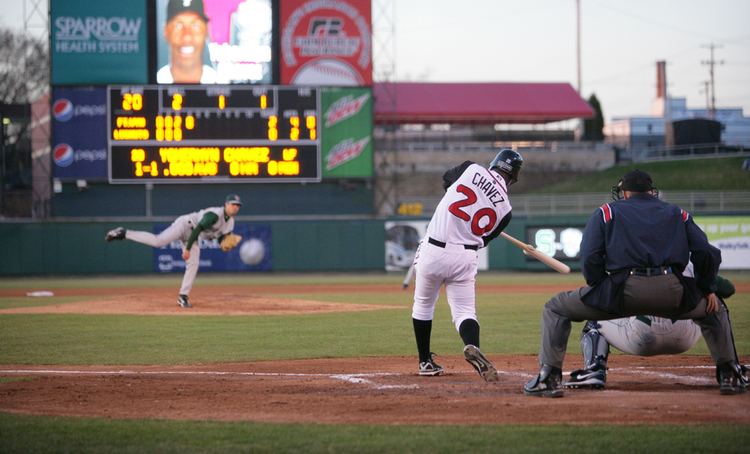
Contrastingly, baseball’s laissez-faire approach to bats reflects the sport’s dynamic and fast-paced nature. There is no formal restriction on how many bats a player may carry, which might initially appear as a lack of regulation compared to golf’s structured limits. Yet this seeming permissiveness reveals a different sporting ethos—one that embraces variety and rapid adaptation without penalizing abundance.
In baseball, hitting is an art of milliseconds and pinpoint judgment, where bat selection can hinge on grip, weight, length, or even weather conditions. The absence of a cap allows players to bring multiple bats, each tailored to different facets of their batting stance or the pitcher they face. This flexibility acknowledges the multifaceted challenges batters confront and their need for immediate options to fine-tune swings, optimize contact, and maximize power. The game’s tempo and strategic complexity necessitate ready access to alternatives, transforming the collection of bats from mere equipment into strategic arsenals.
The Cultural Implications of Equipment Limits
Examining these rules transcends mere regulatory mechanics; they symbolize deeper cultural values inherent in each sport. Golf’s equipment limitation mirrors its contemplative, deliberate pace. The sport reveres tradition and craftsmanship, emphasizing patience, precision, and resilience over brute force or quantity. By restricting clubs, golf enshrines a culture of refinement—each shot weighs heavily, decisions are measured, and minimalism becomes a virtue.
Baseball, meanwhile, encapsulates a spirited and resilient American ethos—fluid, fast-moving, and adaptive. The lack of limits on bats signals a celebration of freedom within boundaries, where players must be resourceful and opportunistic. The diversity of bats reflects the game’s narrative of constant adjustment, where every pitch demands recalibration. In this light, the abundance of batting options becomes a metaphor for baseball’s embrace of unpredictability and individual expression within a team framework.
Technical Considerations: Why Golf Requires Fewer Clubs
Beyond culture, technicality also dictates equipment constraints. Golf shots vary greatly—from tee shots requiring power and distance, to delicate chips near the green needing finesse. Each club is engineered to serve precise trajectories and distances. Overpopulation of clubs might dilute strategic depth, allowing players to find a perfect club for every conceivable shot, which could erode the challenge that defines golf.
Moreover, carrying too many clubs would complicate course logistics and slow play—both undesirable outcomes. The 14-club rule strikes a balance between versatility and practicality. It compels players to blend clubs’ capabilities, promoting skillful shot-making and course management rather than reliance on specialized tools for every scenario. This system enhances the game’s flow, preserves fairness, and forces intelligent decision-making.
Baseball’s Equipment Freedom and Its Practical Utility
In contrast, baseball bats are relatively simpler tools designed primarily for swinging and hitting. Their differentiation lies in weight, length, and material rather than specialized function. A wider range of bats grants players immediate adaptation options without disrupting the pace or structure of the game. Players can effortlessly switch bats between at-bats or even within an at-bat without interrupting the play’s rhythm.
Moreover, the ability to carry multiple bats affords safety and preparedness. Bats can break or become less effective due to wear; having backups readily accessible ensures continuity. Unlike golf, the batter does not face penalties or procedural hindrances from switching bats, reinforcing the game’s flexible ethos.
Strategic Depth versus Equipment Abundance
At first glance, the lack of restrictions in baseball might suggest an unbridled indulgence in gear. Yet strategic depth remains profound—players and coaches meticulously select bat variants to exploit pitcher weaknesses and situational variables. This customization does not negate strategic complexity; it enhances it in a different dimension.
In contrast, golf’s limitation elevates the strategic imperative in club selection itself. Every player becomes a curator of their toolkit, with profound implications for their approach and mindset. Both sports, though on opposite ends of the equipment regulation spectrum, demand strategy. The difference lies in how equipment rules shape the nature of that tactical engagement.
Changing Perspectives: What These Contrasts Teach Us
Understanding the disparate equipment rules between golf and baseball prompts a reevaluation of how sport design reflects human values, challenges, and aesthetics. Constraints like golf’s club limit are not mere formalities; they encapsulate a worldview where limitation breeds mastery and elegance. Meanwhile, baseball embraces abundance as a vehicle for adaptability and resilience, celebrating personal agency and spontaneity.
Both approaches offer valuable lessons beyond the playing field. They underscore how regulation and freedom can serve to sharpen human potential in distinct yet complementary ways. When viewed through this lens, equipment limits—or the absence thereof—become metaphors for broader philosophies about challenge, creativity, and the nature of competition itself.
Conclusion: Embracing the Equipment Paradox
The intriguing juxtaposition of how many clubs a golfer can carry versus how many bats a baseball player may bring reveals more than differing rulebooks—it unveils contrasting paradigms of sporting excellence. Golf’s 14-club cap epitomizes precision, discipline, and tradition, while baseball’s no-limit bat policy celebrates freedom, adaptation, and dynamism. Together, they invite enthusiasts and casual fans alike to appreciate the subtle interplay between equipment, strategy, and spirit that shapes the essence of sport.