Softball, a captivating and dynamic sport, offers much more than just a leisurely game in the park. It is steeped in rich history, nuanced rules, and a vibrant culture that spans the globe. While many recognize softball as a variant of baseball, there exists a myriad of fascinating facets and trivia that remain largely undiscovered by the casual observer. This article unveils intriguing details and lesser-known facts about softball that will broaden your appreciation and knowledge of the sport.
The Origin and Evolution of Softball
Softball’s inception dates back to the late 19th century, arising from an indoor game played during a Thanksgiving Day gathering in Chicago, 1887. Unlike its outdoor counterpart, baseball, softball was initially conceived as an accessible, compact version, designed to be played in confined spaces and under different conditions. The term “softball” itself was adopted later; the sport was originally called “indoor baseball” or “kitten ball.” Over the decades, softball transitioned outdoors and diversified into various formats. The distinction between fastpitch and slowpitch softball, two principal styles widely played today, can be traced back to adaptations that balanced game speed and accessibility for differing skill levels.
Types of Softball: Fastpitch, Slowpitch, and Modified
The complexity of softball is exemplified in its multiple variants, each with unique gameplay mechanics and competitive contexts. Fastpitch softball is characterized by its rapid, whip-like pitching motion that demands extraordinary reflexes and skill from players. It is played at the highest competitive levels, including international tournaments and Olympic events. On the other hand, slowpitch softball allows for a more leisurely underhand throw, making it a favored choice in recreational leagues and community sports. This variant is typically perceived as more inclusive, appealing to players of diverse ages and abilities. Additionally, modified pitch softball blends elements from both styles, striking a balance to enhance gameplay variety.
The Distinctive Equipment: More Than Just a Ball and Bat
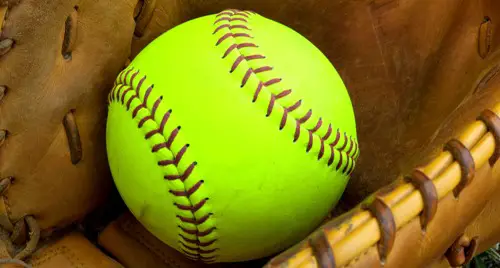
While the equipment in softball might look deceptively simple, each item is specifically designed to complement the sport’s unique demands. The softball itself is noticeably larger than a baseball, typically measuring 12 inches in circumference, which affects its aerodynamic properties and the way it travels through the air. Bats used in softball are also unique, generally lighter and shorter to accommodate the underhand pitching style and close field distances. Furthermore, gloves vary by position and type of play, with distinctions in size and webbing to optimize catchability. The protective gear, especially for catchers, is meticulously engineered to balance safety with mobility, considering the velocity and angles at which the ball is pitched and hit.
Global Popularity and International Competitions
Although initially popularized in North America, softball has burgeoned into an international sport with a fervent following across continents. The sport enjoys particular prominence in countries such as Japan, Australia, and the Netherlands, where it is integrated into school and club sports systems. The World Softball Championships and Pan American Games are landmark events that showcase the pinnacle of international talent. Notably, softball’s inclusion in the Olympic Games, beginning in 1996, marked a milestone, elevating its status and global visibility. This inclusion, though intermittent, has spurred significant development programs worldwide aimed at cultivating Olympic-level athletes.
The Intricacies of Softball Strategy and Gameplay
Softball is much more than just hitting a ball and running bases; it is a chess match imbued with athleticism and tactical deliberation. Pitchers wield a broad repertoire of deliveries including rise balls, drop balls, and curveballs, each requiring different timing and approach from the batter. Defensive positions are also intricately choreographed to counteract offensive strategies. Coaches and players constantly analyze batter tendencies, pitch sequences, and field alignments to gain a competitive edge. This strategic depth has earned softball an esteemed place among bat-and-ball sports, challenging players’ mental acuity alongside physical prowess.
Impact on Women’s Sports and Gender Inclusivity
Softball holds a significant place in the advancement of women’s sports, especially in the United States where it is among the most widely played sports for girls and women at the youth and collegiate levels. Title IX legislation in the 1970s notably catalyzed growth in women’s softball programs, permitting equal opportunities for female athletes. The sport has since fostered numerous female role models and professionals who have propelled visibility and advocacy for gender equity in athletics. Moreover, co-ed and men’s recreational leagues have grown to promote inclusivity, making softball a diverse and welcoming arena for athletes of any gender.
Records, Legends, and Noteworthy Achievements
The annals of softball history are adorned with remarkable records and legendary figures whose achievements inspire awe. From astonishing pitching strikeout records to batter feats that echo baseball’s greats, softball’s elite athletes elevate the sport’s competitive spirit to extraordinary levels. Legendary players have transcended the sport, serving as ambassadors and catalysts for softball’s expansion and recognition. The stories of grit, perseverance, and triumph embedded in softball’s narrative contribute richly to its cultural resonance and ongoing popularity.
Innovations and Technological Advances in Softball
The modern era has seen an influx of technological advances enhancing softball training, equipment, and fan engagement. Innovations in bat construction, such as composite materials, have optimized performance metrics including swing speed and power transfer. Training aids, video analytics, and biomechanics assessments provide players and coaches unprecedented insight into performance improvement. Additionally, advancements in broadcasting and digital media have broadened softball’s outreach, allowing fans worldwide to experience games live and interact with the sport across platforms. This technological progression continuously propels softball toward new frontiers of excellence and accessibility.
The Social and Community Aspects of Softball
Beyond professional realms, softball thrives as a communal and social phenomenon. Recreational leagues, corporate tournaments, and charity events attest to the sport’s capacity to forge friendships, build teamwork, and promote healthy lifestyles. Softball fields often serve as vibrant community hubs where people of all ages congregate for enjoyment, competition, and social interaction. The sport’s adaptability makes it ideal for fostering inclusivity and participation, regardless of skill level or background. This social dimension underscores softball’s enduring appeal and function as a unifying force.
Softball’s multifaceted nature, spanning historical roots, game variations, equipment specifics, international dynamics, strategic complexity, gender impact, legendary accomplishments, technological influences, and social significance, renders it a sport rich with captivating stories and elements. Delving into these aspects reveals a world far more intricate and engrossing than many might assume, inviting enthusiasts and newcomers alike to explore and embrace the unique charm of softball.