The Rocket City Trash Pandas have swiftly ascended from fledgling franchise to regional baseball royalty, carving out a niche in the hearts of fans with a blend of whimsy, grit, and unrelenting community spirit. Nestled in the verdant hills of Huntsville, Alabama, this minor league team has transformed the landscape of local sports entertainment, offering more than just box scores and stolen bases. Their appeal lies in a carefully curated experience that transcends the diamond, weaving together nostalgia, innovation, and a palpable sense of belonging. Whether you’re a die-hard baseball aficionado, a family seeking affordable entertainment, or a casual observer drawn to the spectacle of mascot antics, the Trash Pandas deliver a tapestry of content that caters to every inclination. Here’s a deep dive into the multifaceted allure of this team and the diverse offerings that keep fans coming back.
The Mascot as a Cultural Phenomenon: Sprocket’s Reign of Whimsy
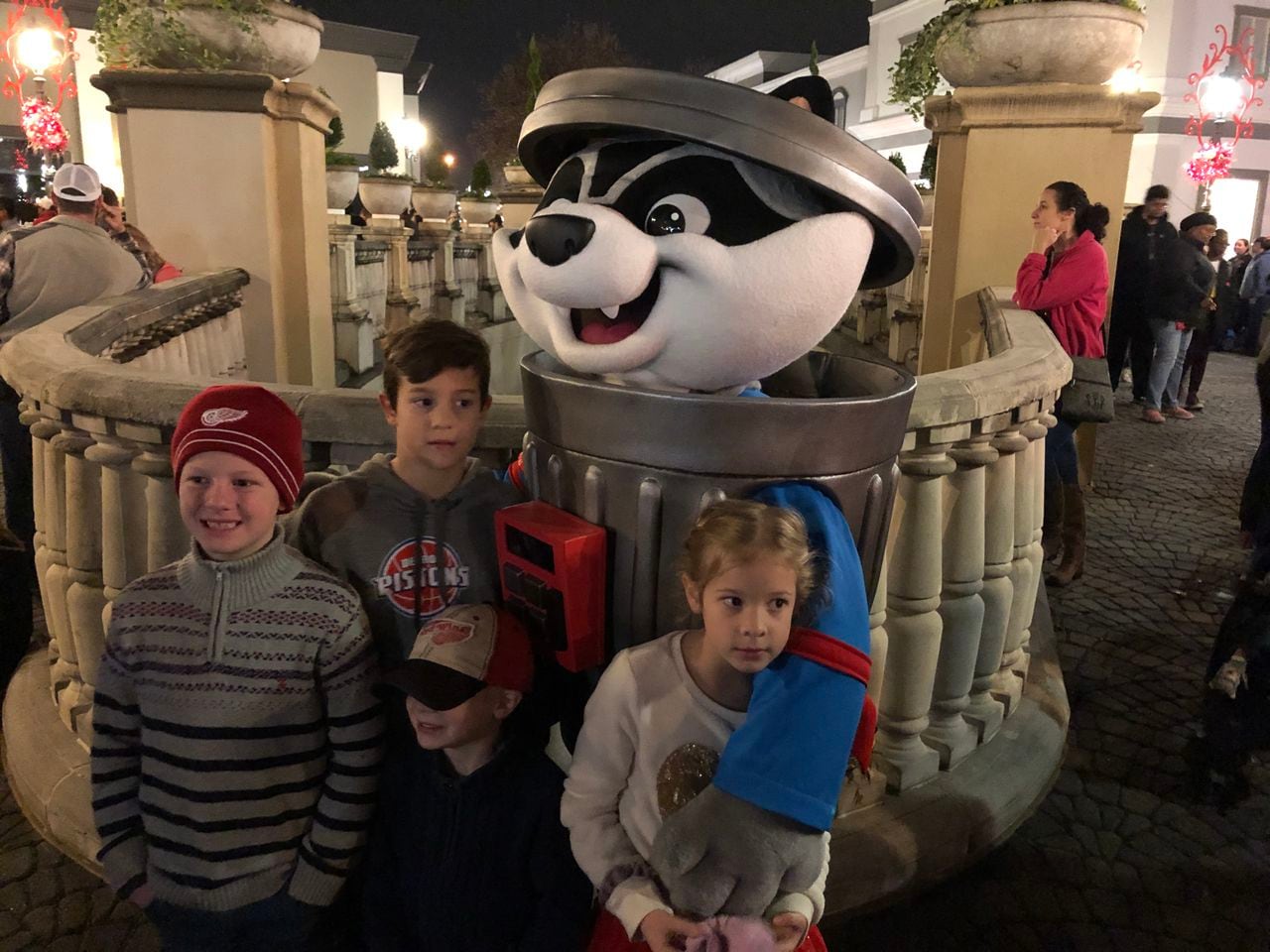
The unveiling of Sprocket, the Trash Pandas’ anthropomorphic mascot, was more than a mere branding exercise—it was a cultural inflection point. Clad in a retro-futuristic jumpsuit, this trash panda embodies the team’s ethos: a playful yet tenacious underdog spirit. Sprocket’s antics transcend traditional mascotry, blending slapstick humor with a surprising depth of character. Fans don’t just watch him; they engage with him, whether through viral social media clips of his acrobatic stunts or the annual “Sprocket’s Scavenger Hunt,” where the mascot leads a citywide treasure hunt. His presence at community events, from library story hours to charity fundraisers, has cemented his role as a civic mascot in the truest sense—beloved by children and adults alike. The mascot’s design, a fusion of industrial chic and woodland charm, reflects the team’s identity as both a modern entertainment spectacle and a nod to the region’s natural heritage.
In-Game Spectacle: Where Baseball Meets Immersive Theater
Attending a Trash Pandas game is less about passive observation and more about active participation in a living, breathing narrative. The pre-game festivities are a masterclass in spectacle, featuring pyrotechnic home run celebrations, synchronized dance routines by the “Trash Panda Cheer Squad,” and a “Mystery Pitch” segment where fans vote via app to determine the next throw. The seventh-inning stretch is reimagined as the “Panda Pogo,” a high-energy dance-off that has spectators leaping from their seats. For the analytically inclined, the team’s “Sabermetric Scoreboard” offers real-time stats overlays, while the “Fan Cam” ensures no one misses a moment of the action. The ballpark itself, with its industrial-chic aesthetic—exposed beams, neon signage, and a rooftop garden—feels like a cross between a retro arcade and a modern art installation. Even the concessions play into the theme, with “Trash Panda Tenders” and “Sprocket’s Sliders” becoming local culinary legends.
Community-Centric Storytelling: The Trash Pandas’ Off-Field Narrative
What sets the Trash Pandas apart is their commitment to storytelling that extends beyond the white lines of the field. The team’s “Behind the Panda” series, a documentary-style content offering, peels back the curtain on the organization’s inner workings, from the grueling minor league grind to the community outreach programs that define their mission. Fans can expect deep dives into the players’ personal journeys, such as the “From the Farm to the Forest” feature, which follows a rookie’s path from a rural Alabama high school to the professional ranks. The team’s social media channels are a treasure trove of behind-the-scenes content, from locker room pranks to player Q&As, all delivered with a conversational tone that feels like a conversation with a friend rather than a corporate entity. Even the team’s annual “Trash Pandas in the Wild” event, where players volunteer at local parks and schools, is documented with cinematic flair, turning acts of service into shareable narratives.
Family-Friendly Innovation: A Ballpark for All Ages
Baseball, at its core, is a family affair, and the Trash Pandas have redefined what it means to cater to multigenerational audiences. The “Panda Pals” program offers discounted tickets and exclusive perks for kids under 12, while the “Grand Slam Grandparents” initiative provides senior citizens with complimentary concessions and early entry. The ballpark’s “Discovery Zone,” a sensory-friendly area with interactive games and quiet rooms, ensures that neurodivergent children can enjoy the game without sensory overload. For toddlers, the “Tiny Pandas” play area features a mini baseball diamond where little ones can “practice” their swings. The team’s “Storytime Sundays” feature local celebrities reading baseball-themed books to young fans, blending literacy with the joy of the sport. Even the team’s mascot, Sprocket, has a “Panda Parenting” segment on social media, offering tips on everything from bedtime routines to healthy snacks—because in Huntsville, baseball is more than a game; it’s a lifestyle.
The Business of Fun: How the Trash Pandas Redefined Minor League Economics
The Trash Pandas’ success isn’t just measured in wins and attendance figures—it’s a case study in how to monetize fandom without alienating the core audience. The team’s “Panda Perks” loyalty program rewards frequent attendees with exclusive merchandise, VIP experiences, and even the chance to throw out the first pitch. Their “Trash Panda Tails” subscription box, a quarterly delivery of team-branded apparel, snacks, and collectibles, has become a cult favorite among superfans. The organization’s partnerships with local breweries and food trucks have turned the ballpark into a culinary destination, with “Panda Pairings” events where fans can sample craft beers alongside gourmet ballpark fare. Even the team’s naming rights deal with a regional healthcare provider has been leveraged into a “Healthy Panda” initiative, promoting wellness through in-game fitness challenges and nutritional workshops. This blend of entertainment and commerce ensures that the Trash Pandas are more than a team—they’re an economic engine for the region.
Fan Culture: The Trash Pandas’ Loyal and Vocal Supporters
The Trash Pandas’ fanbase is a microcosm of the team’s ethos: diverse, passionate, and unapologetically creative. The “Panda Nation” extends far beyond the stadium, with fan clubs like the “Trash Panda Posse” and the “Sprocket’s Squirrel Squad” organizing watch parties, tailgates, and even charity runs. Social media is awash with fan art, memes, and in-game commentary, creating a digital ecosystem that keeps the team in the cultural zeitgeist. The team’s “Fan of the Game” program highlights supporters on the jumbotron, while the “Panda Pride” section is reserved for the most die-hard fans, who arrive in coordinated outfits and choreographed cheers. Even the team’s anthem, a reimagined bluegrass-rock fusion of “Take Me Out to the Ballgame,” has become a rallying cry for fans. This organic, grassroots enthusiasm is the lifeblood of the Trash Pandas, ensuring that the team’s popularity isn’t just a flash in the pan but a sustained cultural movement.
The Future of Trash Panda Fandom: What’s Next for the Team?
As the Trash Pandas look to the horizon, their trajectory suggests a future where they’re not just a minor league team but a regional institution. Rumors swirl about potential expansions, such as a winter ball league or a women’s baseball team, that could further cement their role in the sports landscape. The team’s foray into esports, with a “Trash Pandas Gaming” division competing in virtual baseball leagues, hints at a digital-first approach to fan engagement. Meanwhile, the annual “PandaFest,” a multi-day festival celebrating the team’s culture, is poised to become a must-attend event on the regional calendar. With a new stadium in the works and a roster of young talent poised to make the leap to the majors, the Trash Pandas are more than a team—they’re a blueprint for the future of minor league sports. For fans, the journey is just beginning, and the best is yet to come.