The aroma of popcorn, the sizzle of sausages, the enthusiastic cries of vendors – these aren’t just hallmarks of a baseball game; they’re a cultural phenomenon. For generations, ballpark food has been intrinsically linked to the experience of America’s pastime, a seemingly endless procession of indulgent offerings that both delight and, increasingly, induce a degree of culinary contemplation. The sheer volume of calories consumed within stadium walls during a single game can be astonishing, prompting a curious intersection of enjoyment, apprehension, and sometimes, a genuine fascination with these hyper-localized, uniquely-named delicacies.
The Historical Context: Ballpark Food’s Evolution
The origins of concession stands at baseball games are remarkably humble. Early ballparks barely offered sustenance beyond rudimentary refreshments like peanuts and soda. However, as the sport grew in popularity, so did the demands for more substantial fare. The advent of the post-war era witnessed a burgeoning snack culture, and baseball stadiums were eager to capitalize on this. Concessionaires experimented with regional specialties and custom creations, resulting in the bizarre and beloved menu items we recognize today. It’s a testament to creative adaptation, a constant striving to offer something new and exciting to a discerning, albeit seasonally engaged, audience. The narrative of ballpark food is, therefore, not just about calories; it’s about a reflection of evolving American tastes and a constant desire for diversion.
The Calorie Count Breakdown: Beyond the Hot Dog
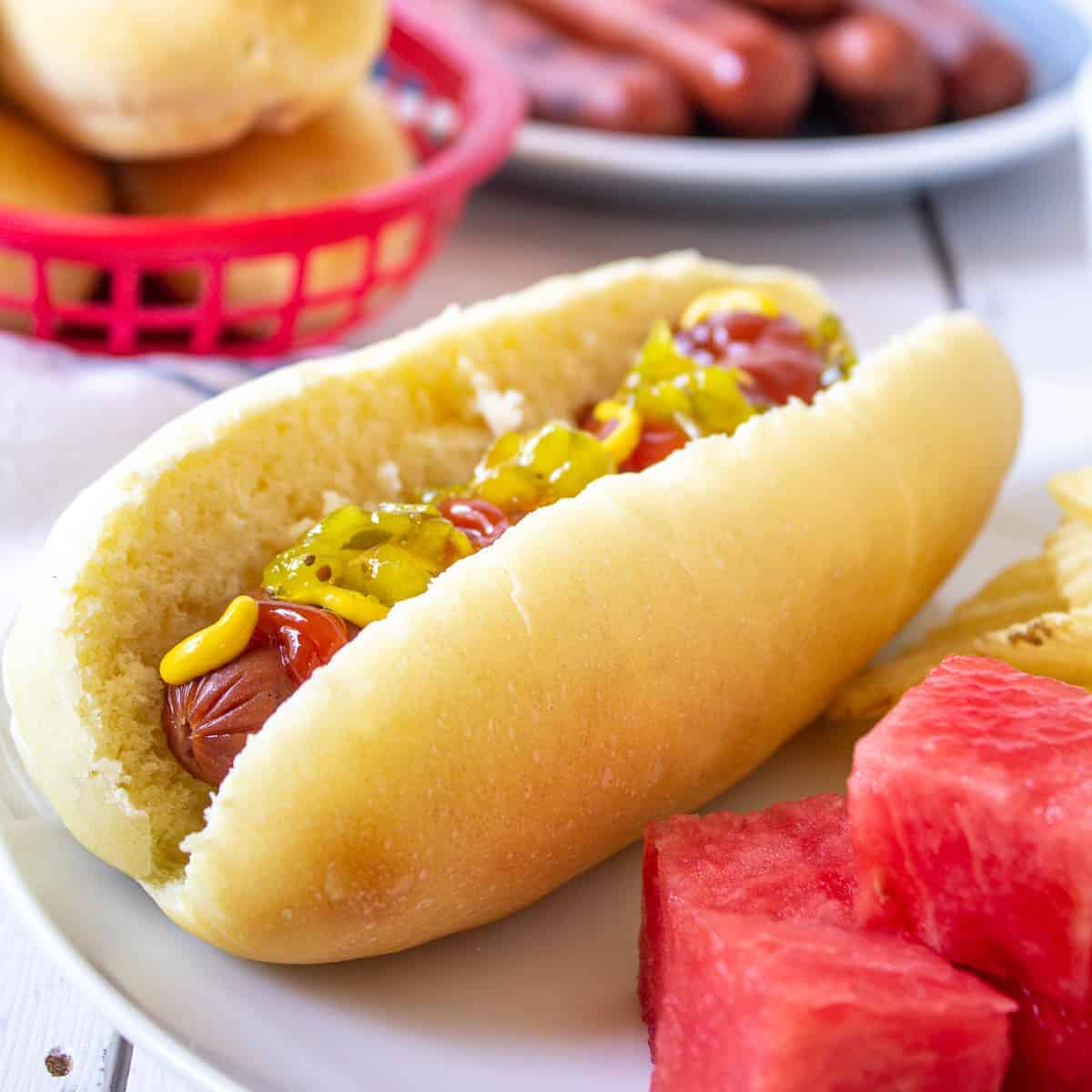
Let’s confront the inevitable: ballpark food is often not a paragon of nutritional virtue. A classic hot dog, typically served in a fluffy bun and slathered with condiments, can easily clock in around 500-700 calories. Combining that with a large soft drink or a beer pushes the total caloric intake considerably. Beyond the predictable, however, lies a bewildering array of choices. Consider the “Fenway Frank” at Fenway Park, boasting unique regional variations, or a “Shibeley Bomb” from PNC Park, a behemoth of a sandwich. Analyzing these seemingly innocuous items reveals a disconcerting reality: portion sizes are often excessive, ingredients are frequently laden with sodium and saturated fats, and nutritional transparency is, at best, opaque. The prevalence of deep-fried items – from cheese curds to funnel cakes – further exacerbates the caloric density.
Regional Specialties: A Culinary Atlas of Ballparks
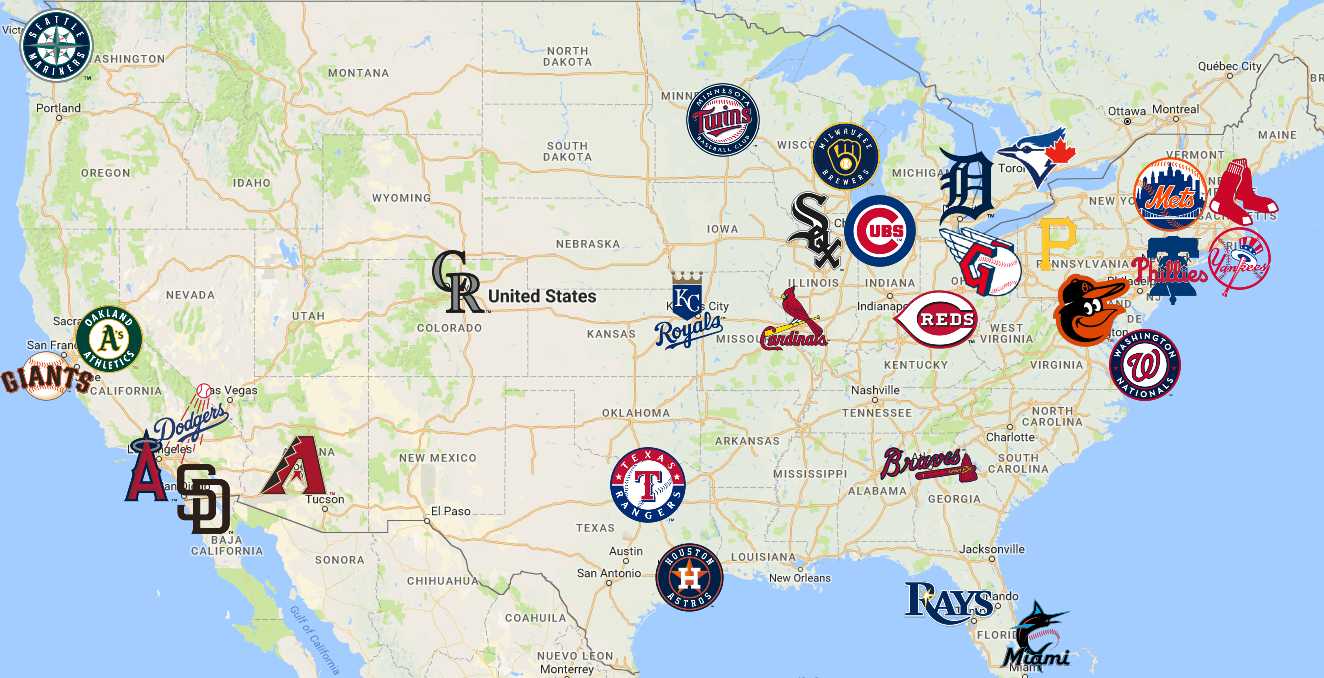
Each MLB stadium boasts a unique culinary identity, reflecting the regional tastes and traditions of its locale. In Philadelphia, the cheesesteak reigns supreme, a monument to melted cheese and thinly sliced steak layered on a hoagie roll. Chicago’s deep-dish pizza offers a contrasting, yet equally indulgent, experience. Texas stadiums often feature barbecue – brisket, ribs, and pulled pork – while California venues showcase more health-conscious options like fresh fruit and salads, although those rarely eclipse the popularity of the less virtuous offerings. These regional variations aren’t arbitrary; they’re a calculated effort to cater to local palates and cultivate a sense of place. A stadium’s menu, in a subtle yet significant way, contributes to its overall identity.
The Psychology of Ballpark Food: Why We Indulge
The appeal of ballpark food transcends mere hunger. It’s entwined with nostalgia, tradition, and the celebratory atmosphere of the game. For many, it’s a deeply ingrained ritual, a symbolic element of the baseball experience. The heightened emotions of watching a game – the anticipation, the excitement, the occasional frustration – can trigger cravings and diminish inhibitions. Furthermore, the novelty of the limited-time offerings and the sheer spectacle of the concession stands themselves can create a feeling of wanting, a craving for that singular, ballpark-specific treat. Research into behavioral psychology suggests that the sensory overload of a stadium environment can heighten our desire for comfort foods, making it challenging to resist the siren song of a loaded nacho platter.
Deconstructing “Stadium Food”: Beyond the Recipe
The “secret” to stadium food isn’t necessarily found in the recipe itself, but rather in the presentation and overall experience. The oversized portions, the vibrant packaging, the enthusiastic vendors – all contribute to the feeling of indulgence and gratification. The convenience factor is also paramount; ballpark food is designed to be easily consumed while navigating the crowds and enjoying the game. Furthermore, the scarcity factor plays a role. Stadium-specific items are only available at specific locations and during a limited timeframe, fostering a sense of exclusivity and driving demand. It’s a carefully orchestrated ecosystem designed to maximize sales and create memorable experiences.
The Rise of Healthier Options: A Slow but Steady Shift
While indulgence remains a key element, there is a growing awareness of nutritional concerns within stadiums. Major League Baseball and individual teams are beginning to introduce healthier options – salads, grilled chicken wraps, fruit cups – to cater to increasingly health-conscious fans. While these options haven’t supplanted the iconic, calorie-laden classics, their presence signals a subtle but important shift in attitude. The introduction of information panels detailing calorie counts and nutritional values is also becoming more commonplace, empowering fans to make more informed choices. However, the fundamental challenge lies in competing with the established allure of the traditional ballpark fare.
The Future of Ballpark Cuisine: Innovation and Sustainability
The future of ballpark food is likely to see further innovation and a greater emphasis on sustainability. We might see more locally sourced ingredients, plant-based alternatives, and creative presentations that appeal to a broader audience. Utilizing technology, such as mobile ordering and delivery services, will likely streamline the concession experience and reduce wait times. Furthermore, addressing food waste and implementing eco-friendly packaging are becoming increasingly important considerations. The evolution of ballpark food reflects broader cultural trends – a growing desire for authenticity, transparency, and sustainable practices. The quintessential stadium snack is likely to endure, morphing to match the ever-changing zeitgeist of American culture.
Caloric Considerations: A Practical Guide
For those seeking to navigate the ballpark culinary landscape with a degree of prudence, several strategies are available. Opting for smaller portion sizes, choosing grilled or baked options over fried, and prioritizing water or unsweetened beverages can significantly reduce caloric intake. Sharing items with friends or family can also help moderate consumption. Ultimately, enjoying ballpark food should be about savoring the experience – indulging responsibly and appreciating the role this unique cuisine plays in the fabric of baseball culture. Finding the equilibrium between enjoyment and mindful consumption will continue to be a challenge for fans for years to come.