Organizing a 26-team double elimination baseball tournament is no small feat—it demands meticulous planning, strategic foresight, and an unwavering commitment to fairness. Unlike single-elimination formats where one loss can end a team’s journey, double elimination ensures resilience, allowing squads to rebound from defeat and compete until the very end. This guide delves into the intricacies of structuring such a tournament, offering insights into bracket design, seeding strategies, scheduling nuances, and the psychological advantages of this format. Whether you’re a league coordinator, coach, or avid tournament enthusiast, mastering these elements will elevate your event from ordinary to extraordinary.
The Anatomy of a Double Elimination Bracket: Understanding the Framework
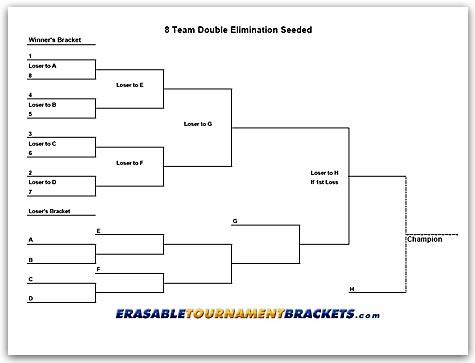
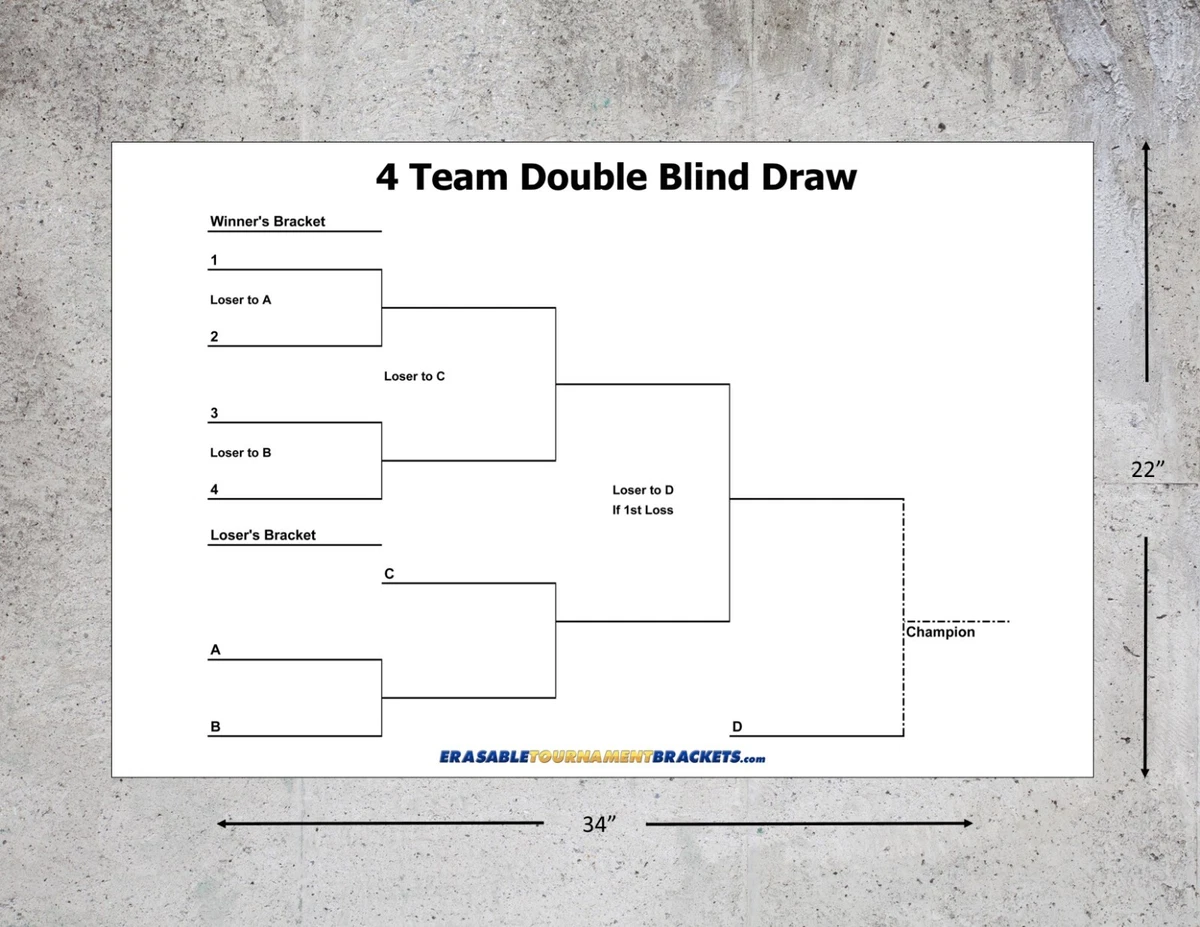
A double elimination bracket is a labyrinth of opportunity, where teams navigate two distinct paths to glory. The primary bracket, often called the “winners’ bracket,” hosts initial matches where victors advance while losers are shunted into the “losers’ bracket.” Here, they face another chance to stay alive, creating a parallel track where redemption is possible. The final showdown typically occurs between the last undefeated team from the winners’ bracket and the victor of the losers’ bracket, ensuring the champion has either gone undefeated or triumphed in a high-stakes rematch. This structure mitigates the harshness of single elimination, where a single bad inning can derail a season’s worth of effort.
For a 26-team field, the bracket’s complexity multiplies. The winners’ bracket begins with 13 matches in the first round, narrowing down to 6 winners and 1 bye. The losers’ bracket starts with 13 teams, each facing elimination in a high-pressure environment. As the tournament progresses, the bracket’s branches intertwine, creating a dynamic where every game carries weight—whether it’s securing a spot in the next round or avoiding the dreaded “second loss” elimination. Understanding this framework is the first step toward designing a tournament that balances competitiveness with logistical feasibility.
Seeding Strategies: Balancing Skill and Fairness
Seeding isn’t just about ranking teams by past performance—it’s an art form that shapes the tournament’s narrative. A well-seeded bracket ensures that top-tier teams don’t collide prematurely, preserving the integrity of the competition while giving underdogs a fighting chance. For 26 teams, traditional power-of-two seeding (e.g., 16, 32) isn’t feasible, so organizers must employ creative solutions like “byes” or staggered entry points. One approach is to divide teams into tiers based on skill, placing them in strategic positions to avoid early upsets.
Another method is the “snake draft” seeding, where teams are ranked and then distributed in a serpentine pattern to prevent top seeds from meeting until later rounds. This minimizes the risk of a premature showdown between elite squads while allowing mid-tier teams to prove their mettle. Additionally, consider incorporating “power seeds” for historically dominant teams, ensuring they enter the tournament at a stage where their presence doesn’t stifle competition. The goal is to create a bracket where every game feels consequential, whether it’s a David-vs-Goliath clash or a battle between evenly matched rivals.
Scheduling Nuances: Timing, Rest, and Resource Management
Time is the silent arbiter of tournament success. A 26-team double elimination event can span multiple days, demanding careful scheduling to accommodate games, rest periods, and logistical constraints. Start by estimating the total number of games—approximately 50 to 60, depending on how many teams survive each round. This means allocating sufficient field time, umpires, and volunteers to avoid bottlenecks. A staggered schedule, where winners’ and losers’ bracket games run concurrently, can compress the timeline without sacrificing fairness.
Rest is another critical factor. Teams eliminated in the first round of the winners’ bracket immediately enter the losers’ bracket, where they may face another game the same day. This can lead to fatigue, especially for younger players. To mitigate this, consider implementing a “cooling-off” period between games or scheduling losers’ bracket matches later in the day. Additionally, account for weather contingencies—baseball is uniquely vulnerable to rain delays. Have a backup plan, whether it’s indoor facilities, rescheduling protocols, or shortened games, to ensure the tournament stays on track.
Bracket Design Tools: Digital vs. Manual Approaches
Gone are the days of hand-drawn brackets on poster board. Today, organizers have a plethora of tools at their disposal, from dedicated tournament software like Tournament Maker or Challonge to spreadsheet-based solutions like Excel or Google Sheets. Digital platforms offer real-time updates, automatic bracket adjustments, and even live score tracking, which can enhance the spectator experience. However, they require reliable internet access and technical know-how, which may not always be available.
For those who prefer a tactile approach, manual bracket design with large poster boards or whiteboards can be effective, especially for smaller tournaments. This method allows for quick visual adjustments and fosters a communal atmosphere where participants can track their progress. Whichever method you choose, ensure the bracket is visible to all teams, with clear signage and updated scores. A well-designed bracket not only guides the tournament but also builds anticipation, turning each match into a story unfolding in real time.
Psychological Dynamics: The Mental Game of Double Elimination
Double elimination tournaments are as much a test of mental fortitude as they are of athletic skill. Teams that lose their first game must quickly regroup, shifting from the high of victory to the low of defeat in a matter of hours. Coaches play a pivotal role here, emphasizing resilience and reframing losses as opportunities to refine strategy. The losers’ bracket, often dubbed the “redemption arc,” becomes a crucible where teams either rise from the ashes or succumb to the pressure.
For the top-seeded teams, the challenge is maintaining focus after a flawless run. A single misstep can send them tumbling into the losers’ bracket, where they must claw their way back. This unpredictability keeps all participants engaged, even those who might otherwise be sidelined in a single-elimination format. The psychological toll is real, but so is the reward—a champion who has either never tasted defeat or has fought their way back from the brink of elimination.
Logistical Challenges: From Fields to Food Trucks
Behind every great tournament is a web of logistical decisions. Fields must be prepped, equipment checked, and amenities like restrooms, water stations, and shaded seating areas accounted for. For a 26-team event, consider dividing games across multiple fields to avoid congestion. Assign dedicated areas for the winners’ and losers’ brackets, ensuring teams know where to report after each game. Parking and transportation can also become bottlenecks, so communicate clear directions and shuttle options if necessary.
Food and refreshments are another critical component. Baseball tournaments are marathons, not sprints, and hungry players perform poorly. Partner with local vendors or food trucks to provide quick, nutritious options. Hydration stations are a must, especially in hot climates. Don’t overlook the needs of spectators either—families attending the event will appreciate comfortable seating, shade, and easy access to concessions. A well-fed and hydrated crowd is a happy crowd, and happy crowds make for a vibrant tournament atmosphere.
Rules and Tiebreakers: Ensuring Clarity and Fairness
Ambiguity in rules can sour even the most well-organized tournament. Clearly outline game formats (e.g., seven innings, mercy rules), tiebreaker procedures, and any special regulations like designated hitters or pitch limits. For double elimination, define how “second losses” are handled—will they be eliminated immediately, or is there a grace period? Additionally, address potential disputes over forfeits, weather-related cancellations, or disputes over game outcomes. A comprehensive rulebook, distributed to all teams in advance, prevents misunderstandings and keeps the focus on the competition.
Tiebreakers are particularly thorny in double elimination, where teams may finish with identical records. Common methods include head-to-head results, run differential, or coin flips as a last resort. Whatever system you choose, ensure it’s transparent and applied consistently. Teams should never feel that a tournament’s outcome hinges on an opaque or unfair process.
Spectator Engagement: Turning Games into Spectacle
A 26-team double elimination tournament is more than just a series of games—it’s an event. To draw crowds, create a sense of occasion. Use social media to hype key matchups, such as a top seed facing a Cinderella team in the losers’ bracket. Offer live commentary or score updates via a tournament app. Consider adding side attractions like skills competitions, autograph sessions with local players, or even a “guess the inning” contest for spectators.
Engage families with activities like face painting, mini-games, or a “home run derby” during breaks. The goal is to transform the tournament into a community gathering, where fans aren’t just watching but are invested in the drama unfolding on the field. A lively atmosphere not only boosts attendance but also enhances the overall experience for participants, making the event memorable for years to come.
Post-Tournament Reflections: Lessons Learned and Future Improvements
No tournament is perfect, and even the best-laid plans encounter hiccups. After the final pitch is thrown and the champion is crowned, take time to reflect. What worked? What didn’t? Were there bottlenecks in scheduling, or did certain teams struggle with the bracket’s complexity? Gather feedback from coaches, players, and volunteers to identify areas for improvement. Perhaps next year’s tournament could benefit from more byes in the early rounds or a revamped seeding strategy.
Documenting these insights ensures that each subsequent event builds on past successes. A tournament is more than a competition—it’s a living entity that evolves with each iteration. By embracing a growth mindset, you can refine the experience, making it smoother, fairer, and more exhilarating for everyone involved.