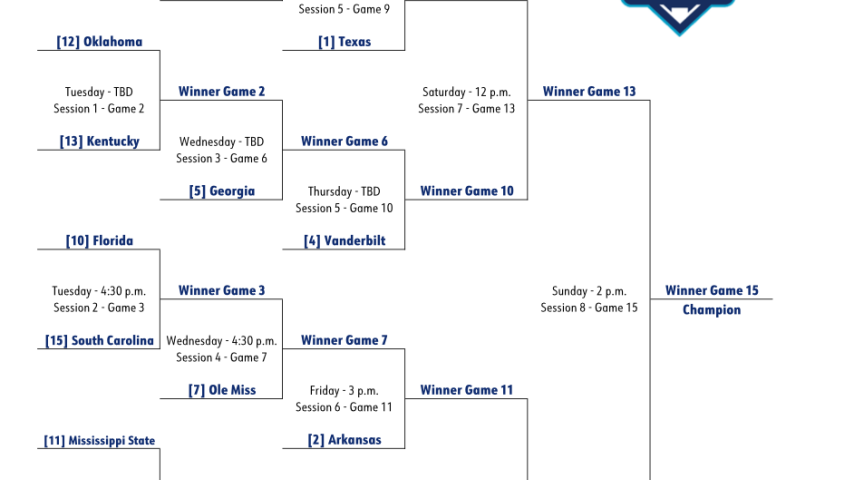
The NCAA Division I Baseball Championship, colloquially known as the College World Series (CWS), is the pinnacle of collegiate baseball, where the nation’s most elite teams converge to battle for the ultimate prize. With the season’s first pitches already thrown, the race for Omaha is heating up, and the projected bracket is brimming with powerhouse programs, underdog stories, and tactical chess matches. This breakdown dissects the early favorites, dark horses, and key storylines that could shape the 2025 tournament. From powerhouse conferences to mid-major disruptors, the path to the CWS is fraught with unpredictability, but these teams have already staked their claim as the ones to watch.
The SEC’s Ironclad Dominance: A Dynasty in the Making
The Southeastern Conference (SEC) has long been the bedrock of college baseball, and the 2025 season is no exception. With multiple teams ranked in the top 10, the conference’s depth is unparalleled, and its representatives are poised to make a deep postseason run. Programs like Tennessee, Florida, and Arkansas boast rosters stacked with MLB Draft prospects, elite pitching rotations, and a culture of winning that’s hard to replicate. Tennessee, fresh off a CWS appearance in 2024, returns a nucleus of power hitters and shutdown relievers, while Florida’s pitching staff—led by a trio of flame-throwing aces—has the tools to suffocate opponents. The SEC’s physicality and relentless competition mean that even the most favored teams must bring their A-game to survive the conference gauntlet, let alone the national tournament.
ACC’s Coastal Powerhouses: Can the Blue Bloods Reclaim the Crown?
The Atlantic Coast Conference (ACC) has historically been a powerhouse in baseball, with programs like Wake Forest, Clemson, and Miami consistently challenging for the title. Wake Forest, in particular, has emerged as a perennial contender, blending elite pitching with clutch hitting to grind out victories. Their bullpen, anchored by a closer with a sub-1.00 ERA, is a weapon few teams can counter. Clemson, meanwhile, brings a mix of power bats and defensive prowess, while Miami’s speed and small-ball tactics make them a nightmare for opponents who prefer a power-centric approach. The ACC’s coastal schools have a knack for peaking in the postseason, and 2025 could be the year they dethrone the SEC’s stranglehold on the championship.
Big 12’s High-Octane Offenses: When the Long Ball Rules the Diamond
The Big 12 Conference is synonymous with offensive firepower, where games are often decided by a single swing. Teams like Texas Tech, Oklahoma State, and TCU feature lineups that can explode for 10+ runs in a single inning, overwhelming pitchers with sheer volume and power. Texas Tech’s lineup is a who’s who of MLB Draft prospects, with multiple players boasting exit velocities north of 110 mph. Oklahoma State’s speedsters wreak havoc on the basepaths, forcing defenses into errors and manufacturing runs in unconventional ways. TCU’s pitching staff, while not as heralded, has a knack for inducing weak contact, making their games a grind for opposing offenses. In a tournament where one bad inning can derail a season, the Big 12’s offensive juggernauts are built to thrive under pressure.
Pac-12’s West Coast Resurgence: The Underrated Contenders
While the SEC and ACC grab headlines, the Pac-12’s resurgence in 2025 has flown under the radar. Programs like Stanford, Oregon State, and UCLA have quietly assembled rosters capable of shocking the establishment. Stanford’s pitching rotation, headlined by a lefty with a wipeout slider, has the potential to stifle even the most potent offenses. Oregon State’s defensive precision and small-ball tactics make them a perennial CWS threat, while UCLA’s balanced attack—featuring both power and speed—gives them flexibility to adapt to any opponent. The Pac-12’s West Coast teams often peak late in the season, and their travel-weary opponents may underestimate their tenacity in the tournament’s later rounds.
Mid-Major Mavericks: The David vs. Goliath Narratives
Every year, a mid-major program emerges from the shadows to capture the nation’s imagination. In 2025, teams like Coastal Carolina, UNC Wilmington, and Mercer are poised to play the role of tournament spoilers. Coastal Carolina, fresh off a 2024 CWS run, returns a core of experienced hitters and a pitching staff that thrives in high-leverage situations. UNC Wilmington’s bullpen, with a closer who has converted 90% of his save opportunities, is a ticking time bomb for opponents in the late innings. Mercer, meanwhile, has built a culture of resilience, grinding out wins with timely hitting and opportunistic baserunning. These teams may lack the star power of their power-conference counterparts, but their intangibles—clutch performances, defensive excellence, and unshakable confidence—make them formidable in the knockout rounds.
International Intrigue: The Global Flavor of College Baseball
College baseball is no longer a purely domestic affair. Programs like Miami (FL), Vanderbilt, and Texas have recruited international talent at an unprecedented rate, bringing a global flair to the diamond. Players from the Dominican Republic, Venezuela, and Japan have become staples in college lineups, adding a layer of diversity and unpredictability to the game. Vanderbilt’s international recruits, in particular, have thrived under the program’s rigorous development system, with some already drawing MLB scouts’ attention. The infusion of global talent not only elevates the level of play but also introduces unique playing styles—whether it’s the laser-guided swings of Latin American hitters or the precision pitching of Japanese arms—that keep opponents guessing.
Pitching vs. Power: The Tactical Chess Match of the Tournament
The 2025 tournament will be a battle of philosophies: teams that rely on dominant pitching versus those that swing for the fences. Programs like Florida and Tennessee prioritize shutdown arms, while Big 12 squads like Texas Tech and Oklahoma State bet on offensive explosions. The key to success may lie in finding the right balance. Teams that can stifle opposing offenses while manufacturing runs—whether through small-ball tactics or timely power—will have the edge. The tournament’s format, with its single-elimination rounds, amplifies the importance of starting pitching. A single dominant outing from a freshman ace or a veteran closer can erase a season’s worth of struggles in an instant.
Coaching Masterminds: The Architects Behind the Contenders
Behind every elite team is a coaching staff that has meticulously crafted a winning culture. Tennessee’s Tony Vitello has built a program that thrives under pressure, while Florida’s Kevin O’Sullivan’s pitching development system is the gold standard in college baseball. Texas Tech’s Tim Tadlock has turned the Red Raiders into a perennial powerhouse through his emphasis on player development and adaptability. These coaches don’t just recruit talent—they mold it, instilling the discipline and mental toughness required to excel in high-stakes moments. The 2025 tournament will be a testament to their ability to prepare their teams for the crucible of postseason play.
Fan Culture and Atmosphere: The Soul of the College World Series
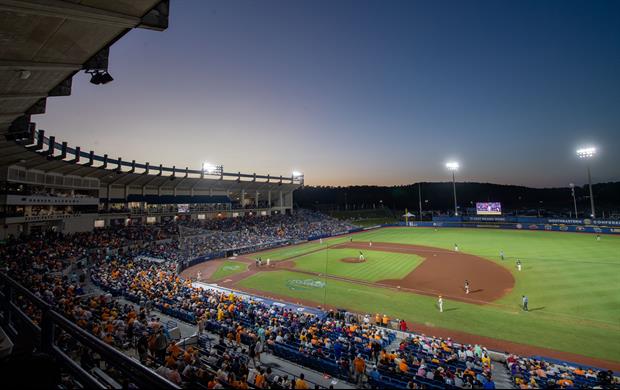
The College World Series isn’t just about the games—it’s about the atmosphere. The electric energy of TD Ameritrade Park, the sea of school colors, and the chants echoing through the stands create an unparalleled experience. Programs like Texas and LSU have some of the most passionate fanbases in college sports, turning Omaha into a sea of burnt orange or purple for a week. The CWS is as much a spectacle as it is a tournament, where traditions, rivalries, and unforgettable moments are forged. For the players, stepping onto that field is a dream come true; for the fans, it’s a chance to be part of something bigger than themselves.
The X-Factors: Players Who Could Define the Tournament
Every tournament has its breakout stars—the players who rise to the occasion when it matters most. In 2025, keep an eye on the freshmen who have already made an impact, like a 19-year-old ace with a 0.80 ERA or a switch-hitting phenom mashing home runs from both sides of the plate. Veterans with postseason experience, such as a two-way player who can dominate on the mound and at the plate, will also be pivotal. The tournament’s unpredictable nature means that one player’s heroics can change the course of a season. Whether it’s a clutch two-out RBI single or a game-saving defensive gem, these moments define legacies.