Little League baseball is more than just a game—it’s a rite of passage, a crucible of teamwork, and a stage for young athletes to showcase their burgeoning talents. While trophies and ribbons have their place, the most memorable awards are those that spark joy, ignite creativity, and celebrate the unique spirit of each player. Whether you’re a coach, parent, or league organizer, the right award can transform a season from ordinary to extraordinary. Below, we explore a spectrum of award ideas designed to honor skill, effort, and camaraderie in ways that resonate deeply with young players.
The Classic Yet Creative: Timeless Awards with a Twist
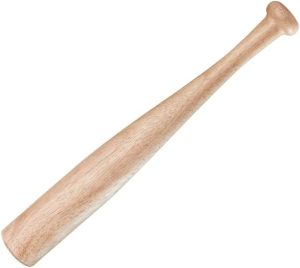
Traditional awards like “Most Valuable Player” or “Best Batter” need not be stale. Infuse them with personality by tailoring the criteria to the season’s quirks. For instance, consider an award for “Most Dramatic Slide” to celebrate a player’s flair for theatrics, or “Best Sportsmanship Under Pressure” to highlight resilience. These categories acknowledge the intangibles that make baseball more than a numbers game. Pair the titles with custom plaques featuring hand-drawn illustrations of the player in action, or engrave wooden bats with their names and the award’s moniker. The key is to blend familiarity with freshness, ensuring the recognition feels both earned and exhilarating.
Skill-Specific Accolades: Elevating the Game
Baseball is a mosaic of specialized skills, and awards can reflect that diversity. Beyond the obvious, think outside the box: “Golden Glove Guardian” for the player with the most assists, “Cannon Arm Ace” for the strongest thrower, or “Base Stealing Bandit” for the fleetest of foot. For pitchers, introduce “Strikeout Sultan” or “Precision Pitcher” to honor accuracy over sheer speed. These titles not only validate individual strengths but also encourage players to refine their craft. Consider accompanying the awards with a short, handwritten note detailing the specific feat—perhaps a curveball that baffled three batters in a row or a diving catch that saved the game. Such details transform a generic award into a cherished keepsake.
Team Spirit and Leadership: Honoring the Invisible Forces
Awards aren’t solely about performance; they’re about the heartbeat of the team. Recognize the “Hype Captain” who rallies the dugout, the “Quiet Leader” who sets an example through actions, or the “Cheer Squad Champion” who keeps spirits high. These accolades celebrate the intangible qualities that glue a team together. For a whimsical touch, create awards like “The Human Rally Monkey” for the player who always lifts morale after a loss, or “The Glue Stick” for the most dependable teammate. Pair these with team-themed trophies, such as a mini dugout diorama or a jersey-shaped plaque, to underscore their role in the collective success.
Fun and Quirky: Awards That Spark Laughter
Not every award needs to be serious. Inject humor into the season with titles like “The Human Pinball” for the player who’s always running into bases, “The Snack Attack Specialist” for the kid who devours the post-game cookies, or “The Sunflower” for the player who’s always smiling. These awards lighten the mood and remind players that baseball is, first and foremost, a game meant to be enjoyed. For a tactile twist, consider edible awards—custom cookies shaped like baseballs with the player’s name in icing, or mini cupcakes topped with fondant trophies. The goal is to foster a culture where laughter is as much a part of the game as the seventh-inning stretch.
Progress Over Perfection: Awards for Growth and Effort
Baseball is a sport of failure, and the most valuable lesson often lies in the attempt. Celebrate improvement with awards like “Most Improved Hitter,” “Rookie of the Year,” or “The Comeback Kid” for a player who overcame adversity. These accolades shift the focus from innate talent to dedication and perseverance. Pair them with a “growth chart” style plaque that tracks a player’s progress over the season, or a “journey journal” where they can document their challenges and triumphs. Such awards validate the process, not just the outcome, and instill a growth mindset that extends beyond the diamond.
Community and Legacy: Awards That Connect Beyond the Field
Baseball is a communal experience, and awards can reflect that broader connection. Consider “The Community Champion” for a player who volunteers in local youth programs, or “The Legacy Builder” for a senior player who mentors younger teammates. These awards tie the sport to real-world impact, teaching players that their actions ripple beyond the field. For a tangible keepsake, commission a shadow box displaying the award alongside photos of the player’s community involvement, or a handwritten letter from a local organization thanking them for their service. Such gestures reinforce the idea that baseball is a microcosm of life’s larger lessons.
DIY and Personalized: Crafting Awards with Heart
The most meaningful awards are those crafted with intention. Skip the generic trophies and opt for handmade creations that tell a story. Use recycled wood to carve a “Home Run Hero” plaque, or repurpose old baseballs into “The Clutch Performer” trophy by embedding a plaque with the player’s name. For a digital twist, design custom trading cards featuring the player’s stats and a personalized “career highlight” reel. The act of creating these awards—whether you’re a coach, parent, or fellow player—adds a layer of sincerity that mass-produced items can’t replicate. It’s a reminder that the best recognition comes from the heart.
Seasonal and Thematic: Awards That Align with the Theme
Tie awards to the season’s theme or a specific event to make them feel fresh and relevant. For a Halloween-themed tournament, introduce “The Phantom Fastball” for the best curveball or “The Zombie Slayer” for the player with the most strikeouts. During spring training, consider “The Early Bird” for the first player to arrive at practice or “The Sunrise Slugger” for the best early-season hitter. Thematic awards create a sense of cohesion and make the season feel like a cohesive narrative rather than a series of disconnected games. They also give players something to look forward to, adding an extra layer of excitement to each outing.