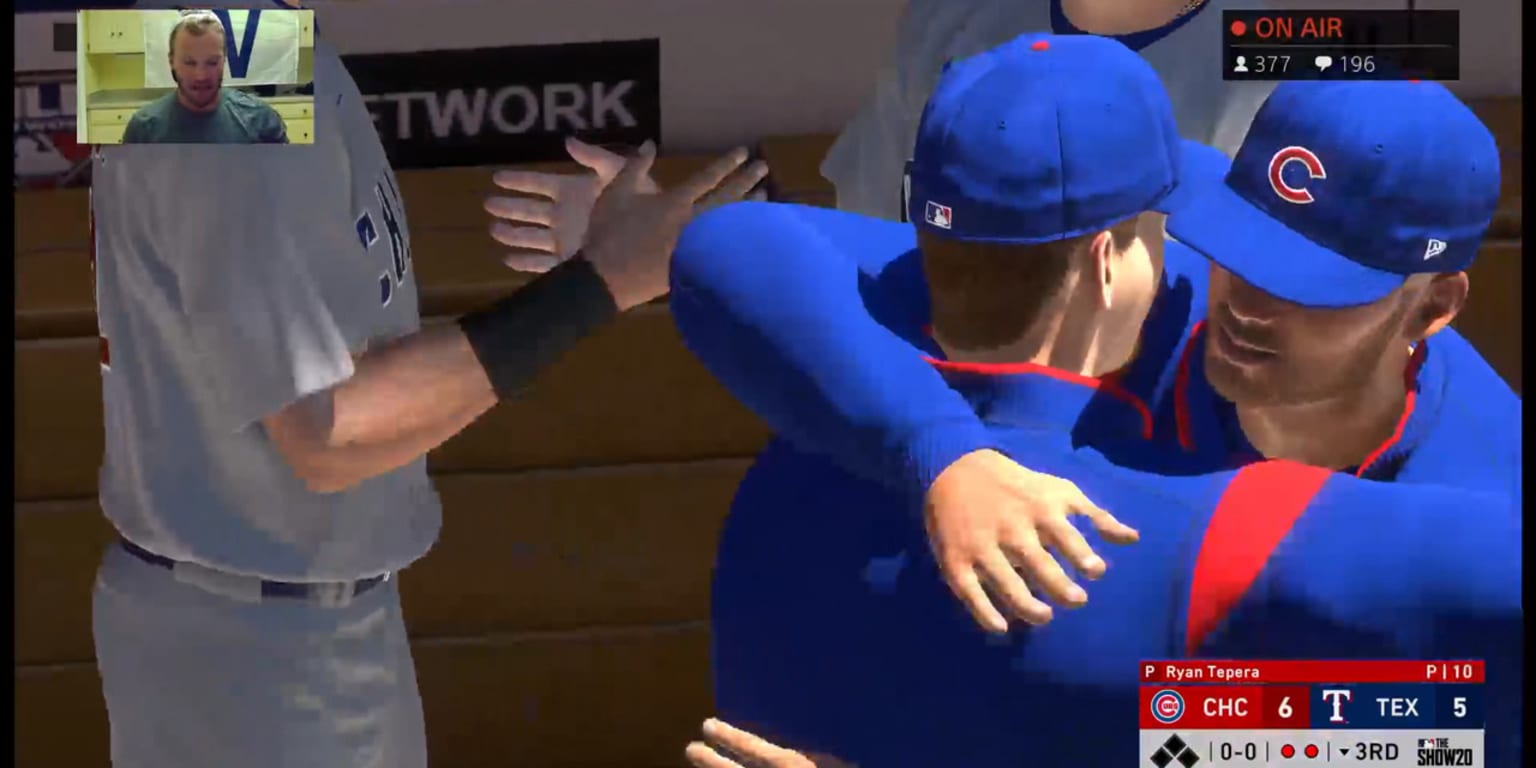
Imagine stepping into the batter’s box of MLB The Show, the crack of the bat echoing in your ears, the weight of a pennant race pressing down on your shoulders. Now, picture the roster. The legends. The icons. The players who’ve etched their names into baseball’s immortal annals. But what if we told you that five of the game’s most electrifying talents—players who’ve danced with destiny on the diamond—will never grace the virtual turf of San Diego’s digital stadiums? Not because they lack skill, but because the cards that define them in MLB The Show refuse to acknowledge their greatness. It’s a paradox, a glitch in the simulation, a silent rebellion against the algorithms that govern baseball’s digital legacy.
The Unyielding Ty Cobb: A Legend Too Feral for the Code
Ty Cobb, the Georgia Peach, is baseball’s most polarizing figure—a man whose .366 career batting average still stands as the highest in MLB history, yet whose legacy is marred by the specter of his infamous temper. In MLB The Show, Cobb’s card would be a paradox: a player whose intensity and ferocity defy the game’s digital constraints. The algorithms that govern player ratings thrive on consistency, on numbers that can be neatly parsed into spreadsheets and stat lines. Cobb, however, was a storm—a force of nature that left destruction in his wake. His .433 on-base percentage in 1915? The game’s systems would struggle to quantify the sheer chaos of his at-bats. His 297 stolen bases? The simulation’s stolen base success rates would falter under the weight of his reckless abandon. Cobb’s card in MLB The Show would be a glitch, a digital ghost haunting the corridors of the Dugout, forever too wild for the code to contain.
Shoeless Joe Jackson: The Ghost of the Black Sox Scandal
Shoeless Joe Jackson, the illiterate outfielder whose bat could sing, whose glove could weep, and whose name became synonymous with baseball’s greatest betrayal. The Black Sox scandal of 1919 tarnished his legacy, but in the hearts of baseball purists, Jackson remains a tragic hero—a man whose talent was so transcendent that even the shadows of suspicion couldn’t dim his brilliance. Yet in MLB The Show, Jackson’s card would be a study in contradiction. His .356 career batting average, the third-highest in history, would demand a card worthy of his greatness. But the game’s systems recoil at the stain of scandal. How do you quantify a player whose legacy is both untouchable and irreparably flawed? The algorithms would stutter, the ratings would waver, and Jackson’s card would flicker in and out of existence—a digital purgatory for a man who was too pure for the game’s digital sins.
Pete Rose: The Hit King Who Couldn’t Outrun His Past
Pete Rose, the Hit King, the man who amassed 4,256 hits with a bat that seemed to defy physics. His relentless hustle, his unmatched durability, and his unparalleled work ethic made him a legend. Yet in MLB The Show, Rose’s card would be a cautionary tale—a reminder that even the greatest players are not immune to the game’s moral compass. The simulation’s systems are designed to reward excellence, but they are also bound by the rules of baseball’s governing bodies. Rose’s lifetime ban for gambling would cast a long shadow over his digital representation. The algorithms would struggle to reconcile his on-field greatness with his off-field transgressions. His card would be a paradox—a player whose stats scream for inclusion, but whose legacy demands exclusion. In the end, Rose would remain a specter in the Dugout, a ghost of what could have been, forever barred from the digital diamond by the game’s own ethical code.
Barry Bonds: The Steroid Era’s Digital Pariah
Barry Bonds, the man who redefined the boundaries of human performance, whose name became synonymous with the Steroid Era’s darkest secrets. Bonds’ 73-home run season in 2001 shattered records, but it also fractured baseball’s soul. In MLB The Show, Bonds’ card would be a digital Rubik’s Cube—a puzzle that the game’s systems cannot solve. His 762 home runs, the most in MLB history, would demand a card worthy of his greatness. But the algorithms recoil at the specter of performance-enhancing drugs. How do you quantify a player whose talent was artificially enhanced? The simulation’s systems would falter, the ratings would waver, and Bonds’ card would become a glitch—a digital artifact of a time when baseball’s integrity was as fragile as a rookie’s confidence. Bonds would remain a specter in the Dugout, a reminder of the era that baseball would rather forget.
Sadaharu Oh: The Home Run King Who Played in the Shadows
Sadaharu Oh, the Japanese slugger whose 868 career home runs make him the undisputed home run king of professional baseball. Oh’s power was legendary, his swing a thing of beauty, his legacy a testament to the global reach of the game. Yet in MLB The Show, Oh’s card would be a study in obscurity—a player whose greatness is undeniable, but whose impact is confined to the margins of the simulation. The game’s systems are designed for MLB players, for the stars of America’s pastime. Oh, however, played in Japan, where the game’s rules and traditions differ in subtle but significant ways. His card would be a glitch, a digital ghost haunting the corridors of the Dugout, forever too foreign for the code to fully embrace. Oh’s greatness would remain a footnote in the game’s digital history, a reminder that baseball’s legacy extends far beyond the borders of the United States.

![Why I’m Fading [Highly Ranked Pitcher] Due to Injury History](https://zellspinstripeblog.com/wp-content/uploads/2026/04/Running-injury-not-healing-RunTeach.jpg)