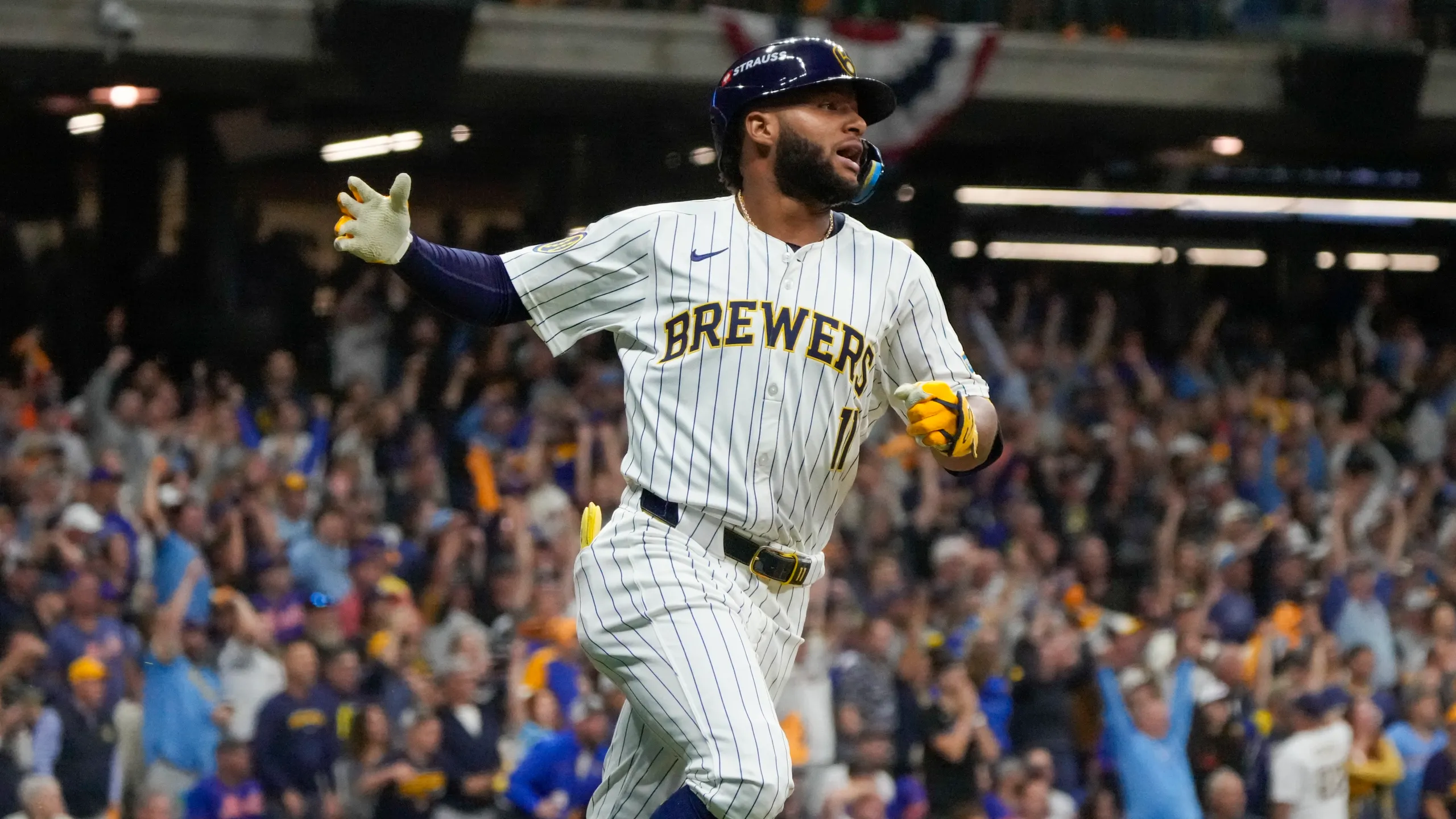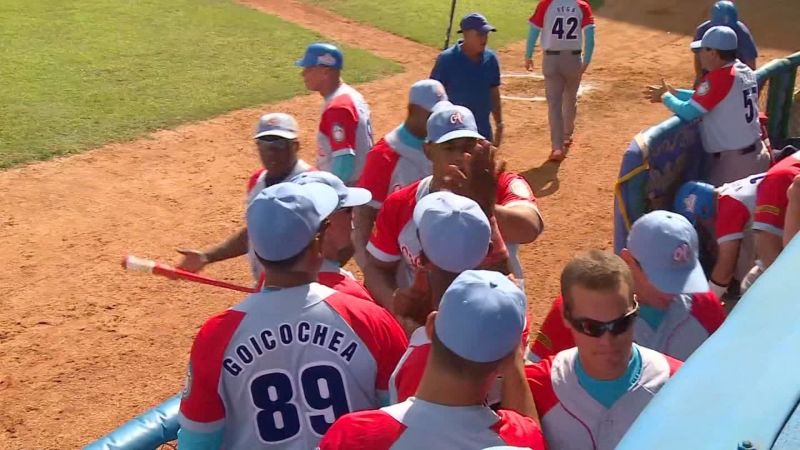
In the grand theater of America’s pastime, where the crack of the bat echoes like a sonnet and the infield dirt tells tales of triumph and heartbreak, a new act has unfolded—one that transcends the diamond’s boundaries. This is the story of Cuban baseball’s exodus, a modern-day odyssey where defiance meets destiny, and where the island’s hidden gems are recast under the neon glow of Major League Baseball’s stage. These are not mere players; they are fugitives of fate, artisans of the game, who have turned exile into opportunity, and sacrifice into stardom. Their journey is a testament to the unyielding spirit of baseball itself—a sport that has, for over a century, been a bridge between cultures, a battleground of dreams, and a canvas for reinvention.
The Exodus: A Flight from the Island’s Embrace
The waters between Cuba and the United States have long been a moat of ambition, a stretch of sea where hope and peril collide. For decades, Cuban ballplayers have navigated this divide not with passports, but with guile and grit, slipping past the watchful eyes of authorities to chase the siren call of MLB. The journey is treacherous—boat rides through shark-infested straits, clandestine deals brokered in shadowy rooms, and the ever-present specter of deportation if caught. Yet, the allure of the majors is irresistible. In Cuba, baseball is a religion, but the altar of professionalism in the U.S. offers something more: the chance to be paid not in pesos, but in the currency of legacy.
These defectors are not just athletes; they are alchemists, transforming the base metal of hardship into the gold of opportunity. The stories are the stuff of legend—players who have left behind families, careers, and even identities, all for the promise of a contract that could change their lives. The defection process is a high-stakes gamble, where one misstep can mean years in exile or, worse, a life in limbo. Yet, for those who succeed, the payoff is not just financial; it is the vindication of a dream deferred.
The MLB Stage: Where Talent Meets the Spotlight
Once on American soil, these Cuban ballplayers step into a crucible of competition unlike any they’ve known. The minor leagues are a gauntlet—a brutal proving ground where the stakes are survival, not just skill. The transition is jarring: the language barrier, the cultural chasm, the relentless grind of a 162-game season. Yet, the Cuban players bring with them a flair that sets them apart. Their swings are fluid, their instincts razor-sharp, and their passion for the game undimmed by the grind.
Consider the archetype of the Cuban slugger: a hitter who turns at the plate with the grace of a dancer, his bat a wand that weaves the impossible into reality. Or the Cuban pitcher, whose arsenal of off-speed pitches and pinpoint control makes him a chess master on the mound. These players are not just imports; they are ambassadors of a baseball tradition that prizes artistry over brute force. In an era where analytics often dictate strategy, the Cuban players inject a dose of unpredictability—a reminder that baseball is as much about magic as it is about metrics.
The Cultural Clash: Baseball as a Language Without Borders
Baseball, in its purest form, is a universal language, and the Cuban players are its most eloquent speakers. Yet, the transition to MLB is not without friction. The language barrier is the first hurdle, but the deeper challenge lies in navigating the cultural expectations of American baseball. In Cuba, the game is played with a communal spirit, where individual glory is secondary to the collective. In the U.S., the spotlight is relentless, and the pressure to perform is immense. The Cuban players must adapt, not by abandoning their roots, but by finding a balance between their heritage and the demands of the game.
There is also the matter of identity. Many Cuban players arrive in the U.S. with little more than a dream and a suitcase. They are often labeled as “international players,” a term that obscures the personal odyssey behind their journey. Yet, as they carve out their niches in MLB, they become more than just ballplayers—they become symbols of resilience, of the immigrant experience, and of the unbreakable bond between a player and his craft.
The Impact: Redefining the Game’s Landscape
The influx of Cuban talent has not merely enriched MLB; it has reshaped its DNA. These players bring a style of play that is as distinctive as it is effective. Their presence has forced opposing teams to adapt, to confront a new breed of hitter or pitcher who operates on a different wavelength. The Cuban players have also become cultural touchstones, their stories inspiring a new generation of athletes in both Cuba and the diaspora. They are living proof that talent knows no borders, and that the pursuit of greatness is a journey that transcends geography.
Moreover, their success has opened doors for others. As more Cuban players make the leap to MLB, the stigma of defection fades, and the path becomes clearer for those who follow. The ripple effects are felt far beyond the diamond—on the streets of Havana, where young boys dream of wearing a major league uniform, and in the front offices of MLB teams, where scouts now cast a wider net in search of the next Cuban gem.
The Future: A Bridge Between Worlds
The story of Cuban baseball’s exodus is far from over. As political winds shift and diplomatic ties evolve, the flow of talent between Cuba and the U.S. may one day become a two-way street. Yet, even in an era of normalized relations, the defection narrative will endure—a testament to the enduring allure of baseball as a vehicle for reinvention. The Cuban players who have made it in MLB are not just athletes; they are pioneers, charting a course for those who dare to dream.
In the end, their journey is a metaphor for the game itself—a sport that is as much about the struggle as it is about the glory. It is a reminder that baseball is not just a game played on a field; it is a narrative of human resilience, a saga of those who dare to defy the odds. And in the grand tapestry of MLB, the Cuban defectors are the threads that weave together the past, present, and future of the game.