In the high-stakes theater of Major League Baseball, where strategy unfolds like a chess match and emotions simmer beneath the surface, few spectacles rival the raw intensity of a benches-clearing brawl. It’s not just a physical eruption—it’s a symphony of tension, where every player, coach, and even the umpires become unwitting participants in a high-stakes group chat, their actions and reactions dictated by unspoken rules and primal instincts. What begins as a single spark—a brushback pitch, a sharp slide, a retaliatory swing—can ignite a firestorm that engulfs the entire field, transforming a routine game into a spectacle that lingers in the annals of baseball lore.
The Spark: When Words Fail, Fists Speak
A benches-clearing brawl doesn’t erupt from thin air. It’s the culmination of simmering frustrations, unspoken grievances, and the delicate balance of respect that defines the unwritten code of baseball. A pitcher’s inside fastball might be the opening salvo, a message delivered with the velocity of a bullet, but it’s the batter’s reaction—the flinch, the glare, the muttered curse—that sets the stage. The tension isn’t just in the air; it’s in the way players grip their bats, how their cleats dig into the dirt, the way their eyes flick toward the opposing dugout, searching for the first sign of retaliation.
What follows is a moment of suspended animation, where the game pauses not because of a timeout, but because the very fabric of competition has frayed. The players aren’t just athletes anymore; they’re emissaries of their team’s pride, their reputations hanging in the balance. A single punch thrown in haste can escalate into a melee that draws in coaches, trainers, and even fans, each participant suddenly thrust into a role they never rehearsed. The benches clear not out of cowardice, but because the collective will of the team demands it—each player stepping forward as if answering a roll call of honor.
The Group Chat Unfolds: Nonverbal Communication at Its Most Explosive
In an era where digital communication dominates, baseball’s benches-clearing brawl is the ultimate analog group chat—a chaotic, unfiltered exchange where words are replaced by actions, and intentions are read through body language alone. There are no emojis here, no typing indicators, no time to deliberate. Instead, there’s the sharp crack of a bat meeting a helmet, the visceral thud of a fist connecting with flesh, the way a player’s jaw tightens before he steps into the fray. Every movement is a statement, every shove a rebuttal, every pointed finger a demand for accountability.
The dynamics of the brawl reveal the hidden hierarchies of the team. The veteran, his face etched with the scars of a thousand games, might be the first to restrain a hotheaded rookie, his grip firm but not unkind. The fiery closer, known for his explosive fastballs, could be the one who steps in front of a teammate, not to throw a punch, but to shield him from harm. Meanwhile, the manager, usually a voice of reason, might find himself caught in the crossfire, his arms flailing as he tries to restore order—or at least, to prevent the situation from spiraling further. The brawl becomes a microcosm of the team itself: a blend of aggression and restraint, of loyalty and individualism, all colliding in a single, unforgettable moment.
The Aftermath: When the Dust Settles, the Real Game Begins
Once the chaos subsides and the umpires have restored a semblance of order—often with ejections and fines looming like storm clouds—the true consequences of the brawl begin to unfold. For the players involved, there’s the immediate fallout: the adrenaline crash, the bruised ribs, the lingering resentment from the opposing side. But beyond the physical toll, there’s the psychological weight. A player who threw the first punch might find himself scrutinized by teammates and opponents alike, his reputation now tied to that single moment of violence. Meanwhile, the player who stood his ground without throwing a punch could earn a newfound respect, his restraint becoming a badge of honor.
For the teams, the brawl can serve as a turning point. Some squads thrive under the pressure, their unity forged in the fire of adversity. Others fracture, the tension lingering like a bad odor in the clubhouse. Managers must decide how to address the incident—do they rally the troops with a fiery speech, or do they impose strict discipline to prevent further eruptions? The media dissects every second of the altercation, dissecting the actions of each participant, while fans debate whether the brawl was justified or reckless. The game resumes, but the atmosphere is forever changed. The next pitch, the next at-bat, the next play—all carry the weight of what just transpired.
The Unwritten Rules: Baseball’s Silent Code of Conduct
Beneath the surface of every benches-clearing brawl lies the unspoken code that governs baseball’s culture—a set of rules that dictate when violence is acceptable and when it’s taboo. A pitcher can brush back a batter, but he can’t throw at his head. A runner can slide hard into second, but he can’t spike the shortstop. Cross those lines, and the consequences are swift and severe. The code isn’t written down, but every player knows it, internalizing it from the moment they step onto a diamond. It’s a fragile truce, one that relies on mutual respect and the threat of retaliation.
Yet the code is also fluid, shaped by the era, the players, and the stakes of the game. What was tolerated in the rough-and-tumble days of the 1970s might be met with outrage today. The rise of analytics and the emphasis on player safety have shifted the boundaries of acceptable behavior, making every brawl a potential flashpoint for controversy. Some argue that the game has lost its edge, that the fear of retaliation has dulled the competitive fire. Others believe that the code is still alive, its spirit intact even as its execution evolves. One thing is certain: as long as baseball is played with passion and pride, the potential for a benches-clearing brawl will always exist.
The Legacy: When a Brawl Becomes Legend
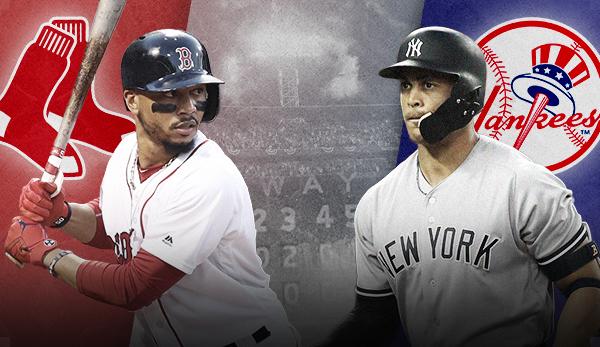
Not all benches-clearing brawls are created equal. Some fade into obscurity, forgotten by all but the most die-hard fans. Others become the stuff of legend, retold in barrooms and broadcast booths for generations. The 1965 brawl between the Giants and Dodgers, sparked by Juan Marichal’s infamous bat-swing at John Roseboro, is still recounted with reverence. The 2006 brawl between the Red Sox and Yankees, where a bench-clearing melee led to suspensions and a media frenzy, remains a cautionary tale of unchecked emotions. These aren’t just fights; they’re cultural touchstones, symbols of the raw, unfiltered passion that makes baseball more than just a game.
The players who participate in these brawls often find their legacies indelibly linked to that single moment. Some, like Pedro Martinez or Bryce Harper, are remembered as much for their fiery tempers as they are for their on-field heroics. Others, like Cal Ripken Jr. or Derek Jeter, are celebrated for their ability to avoid the fray, their restraint becoming a defining trait. The brawl becomes a part of their identity, a story they’ll tell for the rest of their lives—whether with pride, regret, or a mix of both.
In the end, a benches-clearing brawl is more than just a breakdown of order. It’s a snapshot of baseball’s soul—a moment where the game’s competitive fire burns hottest, where the lines between right and wrong blur, and where the collective will of a team is laid bare. It’s a reminder that baseball isn’t just about statistics and strategy; it’s about people, with all their flaws, passions, and imperfections. And when the dust settles, when the fines are paid and the suspensions served, the game goes on—but nothing will ever be quite the same.