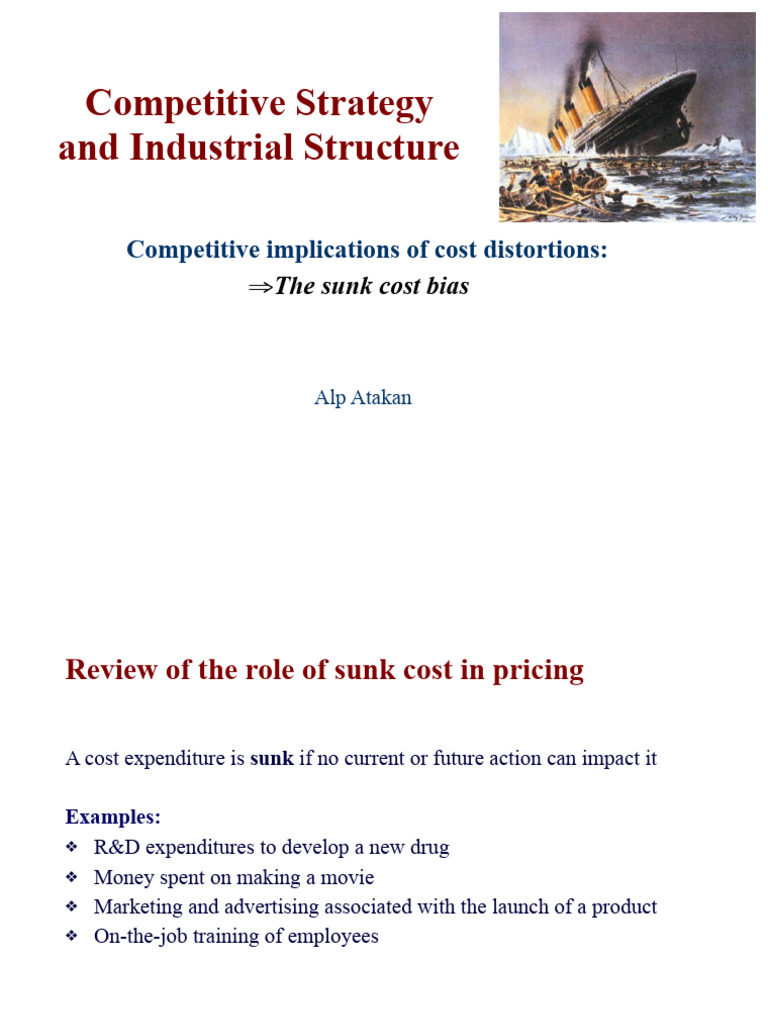
In the high-stakes theater of Major League Baseball, where every pitch is a gamble and every roster move a calculated risk, the specter of the sunk cost fallacy looms larger than a bloated contract. It’s the invisible tether that binds general managers to prospects who, like ghost ships adrift in the fog of potential, refuse to reach shore. The phenomenon isn’t just a financial misstep—it’s a narrative tragedy, a slow-motion collision between hope and reality. For fans and executives alike, the allure of a “busted prospect” is as intoxicating as it is perilous, a siren song that whispers of redemption even as the evidence mounts against it.
The Illusion of Potential: When Talent Becomes a Mirage
Prospects are baseball’s most exquisite mirage, shimmering on the horizon with the promise of future glory. Scouts and executives pour over stat lines, swing mechanics, and exit velocities like cartographers mapping a land that may not exist. The sunk cost fallacy enters the fray when the investment in a player’s development eclipses the cold, hard calculus of their present value. A top draft pick, once a beacon of hope, can become a black hole of opportunity cost, draining resources from more viable alternatives.
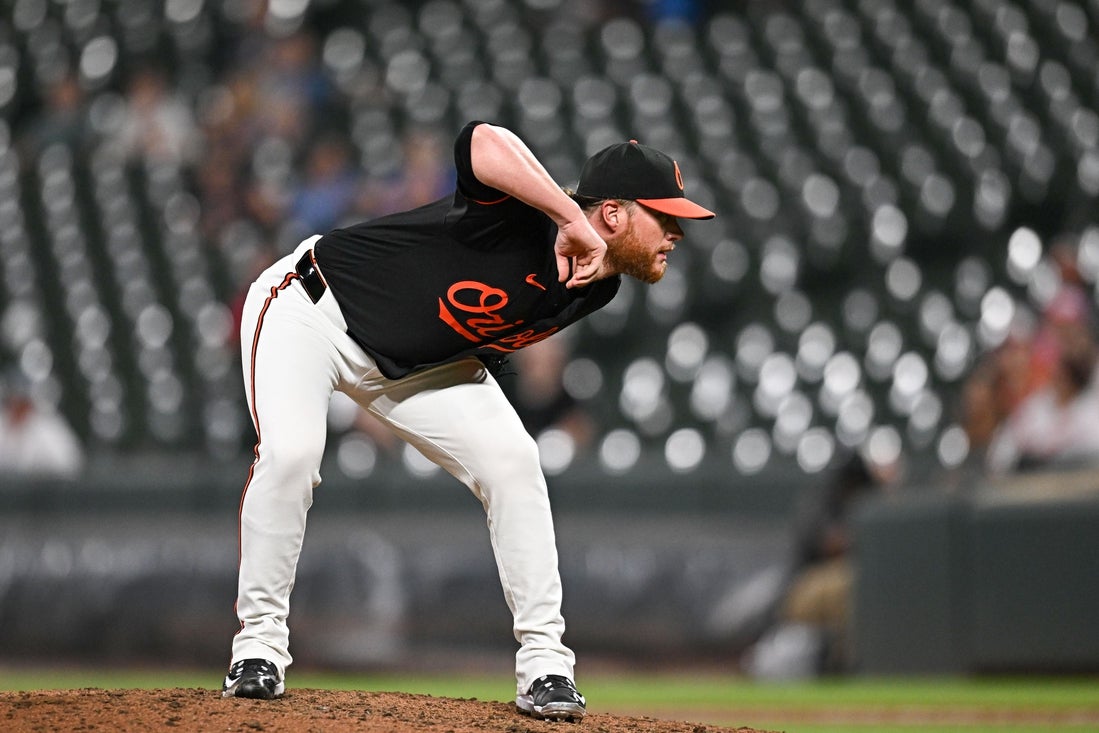
Consider the case of a once-celebrated pitching prospect whose fastball has lost its zip and whose secondary pitches resemble the consistency of a roulette wheel. The team that drafted him clings to the belief that “he just needs more time,” a refrain as familiar as it is delusional. The sunk cost fallacy thrives in this limbo, where the emotional weight of past decisions outweighs the logical pursuit of present-day success. It’s the baseball equivalent of doubling down on a losing hand, convinced that the next card will turn the tide.
The Psychology of Clinging: Why We Can’t Let Go
Human psychology is a labyrinth of contradictions, and baseball’s front offices are no exception. The sunk cost fallacy is less about logic and more about identity—a GM’s reputation, a scout’s legacy, even a fanbase’s collective psyche. Letting go of a prospect isn’t just a financial decision; it’s an admission of failure, a crack in the facade of infallibility. The longer a team invests in a player, the harder it becomes to sever the ties, even when the returns are diminishing faster than a pitcher’s velocity in September.
This psychological tether is reinforced by the “endowment effect,” a cognitive bias where we overvalue what we already possess. A prospect isn’t just a player; he’s a project, a story, a bet on the future. To cut ties is to admit that the story was flawed from the outset. The result? A slow-motion unraveling, where each minor league assignment becomes a Hail Mary pass, each rehab stint a glimmer of hope. The sunk cost fallacy doesn’t just hold teams back—it distorts their perception of reality, turning what should be a business decision into a moral one.
The Opportunity Cost: What’s Being Sacrificed in the Process
Every dollar spent on a busted prospect is a dollar not spent on a player who could contribute today. The opportunity cost of clinging to a sunk investment is the hidden tax of baseball’s sunk cost fallacy. While a team’s farm system festers with underperforming talent, rival organizations are leveraging their resources to acquire proven contributors. The irony? The very prospects once deemed “not ready” are now flourishing elsewhere, their development stunted by the gravitational pull of past decisions.
Take, for example, the case of a highly touted shortstop whose defensive lapses have turned him into a liability. The team that drafted him insists on his “toolsy” upside, but the reality is that his bat hasn’t progressed in three years, and his range has eroded like sand through an hourglass. Meanwhile, a mid-tier free agent with a proven track record of production languishes unsigned, a victim of the organization’s reluctance to admit defeat. The sunk cost fallacy doesn’t just cost money—it costs wins, and in baseball, wins are the currency of survival.
The Fan’s Dilemma: Hope vs. Reality in the Bleachers
For the fans, the sunk cost fallacy is a double-edged sword. On one hand, it fuels the belief that “this time, it’ll be different,” that the next call-up will be the spark that ignites the lineup. On the other, it breeds a simmering frustration, a gnawing sense that the team is trapped in a Groundhog Day loop of unfulfilled potential. The emotional investment in a prospect can be as intense as a pennant race, with each at-bat a referendum on whether the faith was justified.
Social media amplifies this tension, turning every minor league performance into a referendum on the organization’s competence. Fans dissect every swing, every pitch, every defensive miscue with the fervor of a jury deliberating a verdict. The sunk cost fallacy isn’t just a front-office phenomenon—it’s a communal delusion, a shared narrative that binds fans to their team’s collective hopes and disappointments. The result? A fanbase that oscillates between blind optimism and seething resentment, all while the team lurches toward an uncertain future.
The Art of the Pivot: When to Cut Losses and Move On
The antidote to the sunk cost fallacy is ruthless pragmatism—a willingness to acknowledge when a prospect has become a liability rather than an asset. The art of the pivot lies in recognizing that clinging to the past is the surest way to sabotage the future. This doesn’t mean giving up on development entirely, but it does mean reallocating resources to avenues with a higher probability of success.
For some organizations, this means trading a struggling prospect for a veteran who can stabilize the roster. For others, it means reassigning them to a role where their strengths are maximized, even if it’s not the position they were drafted for. The key is to treat the prospect like a business asset, not a personal investment. The goal isn’t to salvage a player’s career—it’s to salvage the team’s chances of competing.
History is littered with examples of teams that broke free from the sunk cost fallacy and thrived as a result. The Atlanta Braves’ decision to move on from once-top prospect Dansby Swanson in favor of a more balanced roster is a case in point. Swanson became a star elsewhere, but the Braves’ willingness to prioritize present-day success over past investments paid dividends in the form of a World Series title. The lesson? Sometimes, the bravest move is the one that admits defeat.
The Human Element: The Players Behind the Fallacy
Behind every busted prospect is a human story—a player whose dreams are tethered to the whims of an organization’s decisions. The sunk cost fallacy isn’t just a financial calculation; it’s a personal tragedy for the athletes caught in its wake. A pitcher who loses velocity isn’t just a statistic; he’s a young man whose identity is wrapped up in a game that has moved on without him. The emotional toll of being labeled a “bust” can be devastating, a reminder that baseball’s cruelty isn’t just in the numbers—it’s in the way it discards dreams.
Teams that navigate this terrain with empathy, rather than just pragmatism, often find that the sunk cost fallacy loses its grip. A prospect who’s given a clear path to contribute—whether through a role adjustment, a trade, or a release—can find new life elsewhere. The goal isn’t to exploit their potential but to honor it, even if it means letting them go. In doing so, organizations send a message: that players are more than their draft pedigree, more than their stat lines. They’re human beings, and their careers deserve to be treated with dignity.
The Future of Baseball’s Sunk Cost Dilemma
As analytics continue to reshape the game, the sunk cost fallacy may become less of a psychological trap and more of a relic of the past. Front offices are increasingly embracing data-driven decision-making, where the cold calculus of WAR (Wins Above Replacement) and DRS (Defensive Runs Saved) trumps the emotional pull of “potential.” Yet, the human element remains, and with it, the risk of clinging to the familiar in the face of overwhelming evidence.
The future of baseball’s sunk cost dilemma lies in striking a balance—between the emotional investment in prospects and the ruthless pursuit of winning. It’s a tightrope walk, where one misstep can send an organization spiraling into a cycle of unfulfilled potential. The teams that master this balance will be the ones that thrive, not just in the short term, but in the long game of building sustainable success.
For fans, the lesson is clear: hope is a powerful motivator, but it must be tempered with realism. The next time your team clings to a prospect who’s failed to deliver, ask yourself: is this a calculated risk, or a sunk cost in disguise? The answer may well determine whether your team’s future is a story of redemption—or a cautionary tale.


![Why I’m Fading [Highly Ranked Pitcher] Due to Injury History](https://zellspinstripeblog.com/wp-content/uploads/2026/04/Running-injury-not-healing-RunTeach.jpg)