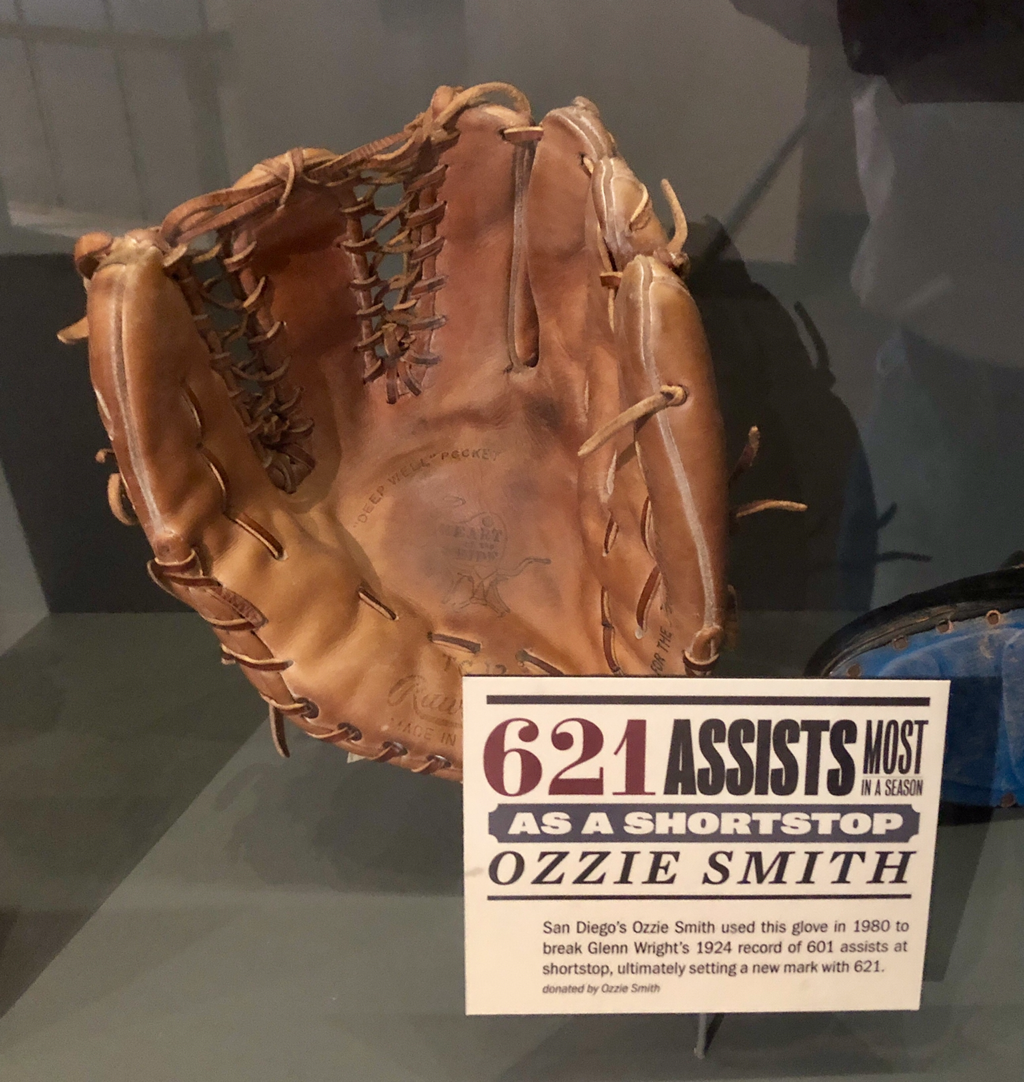
Few baseball players evoke as much reverence for their defensive mastery as Ozzie Smith, a player whose footwork on the field elevated the art of shortstop into a performance of grace and precision. His flawless agility and lightning-quick reactions made it seem as though he defied the very laws of physics, earning him the moniker “The Wizard.” While many fans marvel at his spectacular plays, beneath the surface lies a foundation of rigorous drills and intentional practice routines that honed his unmatched footwork and made his wizardry possible. Understanding these drills provides a window into how precision, timing, and relentless discipline combine to create a defensive genius.
The Unspoken Language of Footwork in Baseball Defense
At its core, footwork in baseball is more than just quick movement; it is a sophisticated dialogue between the player and the game’s unfolding circumstances. Each step, pivot, and shuffle tells a story of anticipation and reaction. For Ozzie Smith, this silent communication was ingrained through countless hours of repetition, refining the mechanics of how his body moved before the ball was even hit. Good footwork allows a shortstop to align optimally with the ball’s trajectory, setting up for fluid fielding and a rapid, accurate throw. Smith’s footwork was not just functional – it was an art form that combined balance, rhythm, and timing, illuminating the deeper fascination with how athleticism and intellect converge in baseball defense.
The Foundation: Basic Footwork Drills That Build Agility
The quest to perfect footwork begins with fundamental drills designed to enhance coordination and balance. For Smith, these drills involved ladder exercises and cone drills that forced him to adjust his stride and direction quickly. Such training nurtures neuromuscular control, enabling players to react instinctively when a ball takes an unexpected hop. These foundational drills enhance a shortstop’s ability to stay low, maintain a wide base, and keep a poised readiness to move in any direction. These basic exercises may seem rudimentary, yet they serve as the critical underpinnings of the rapid lateral movements and explosive pivots displayed during live gameplay.
Advanced Agility Drills: Cultivating the Dance of the Shortstop
Building upon the basics, advanced drills emphasize the fluid transitions that make Smith’s movements appear so effortless on the field. Shuttle runs combined with simulated ground balls train the body to synchronize foot placement with the visual tracking of the ball. Smith’s regimen likely included “drop step drills,” where he refined the ability to take a half-step backward and twist the hips to create optimal throwing angles. These advanced routines focus not only on speed but also on the subtle timing of weight shifts—an unexpected fraction of a second delay can mean the difference between a clean out and an error. This intricate choreography reveals why footwork at an elite level is as much a mental exercise as it is physical.
Routine Drills for Fielding: Marrying Footwork to Execution
Footwork in isolation has limited value without its marriage to fielding technique. Ozzie Smith’s drills would have integrated numerous repetitions of ground ball fielding, where foot steps aligned precisely with glove positioning. Proper foot alignment facilitates a smooth transition from fielding to throwing, minimizing hesitation. Smith’s ability to plant his feet quickly and square his body toward first base was a key factor in his rapid throws, often catching baserunners unaware. Drills incorporating live hits, soft toss, and reaction balls train the body to automatically adjust foot positioning in response to varying ball speeds and spins. This holistic approach ensures that footwork amplifies defense rather than impeding it.
Drills Emphasizing Hip and Shoulder Coordination
Footwork does not operate in a vacuum; it is intimately connected with upper body movements. The synchronization of hips and shoulders, rooted in strong foot placement, produces the torque essential for powerful and precise throws. Drills such as “hip fire” exercises encourage explosive rotation starting from the lower body and flowing upward. Smith’s mastery of these coordinated movements meant his fielding was not just about covering ground but generating momentum that translated into throw velocity and accuracy. This coupling of lower and upper body mechanics is a nuanced aspect of training that distinguishes great defenders from legends.
The Mental and Reflexive Component of Footwork Drills
Underlying Ozzie Smith’s physical practice was an acute mental discipline focused on anticipation and spatial awareness. Beyond repetitive drills, he likely engaged in visualization and reaction-based exercises to sharpen reflexes. Quick adjustment drills with varied reaction times train the brain-foot connection, helping players modify their initial movements dynamically. This mental agility facilitates the kind of split-second decisions that make Smith’s defensive wizardry breathtaking. His footwork was the visible manifestation of countless hours spent conditioning the mind-body system to act as one fluid entity.
Repetition and Consistency: The Oven Where Wizardry is Baked
In the craft of any athletic skill, repetition is an uncelebrated but absolutely indispensable ingredient. Ozzie Smith’s drills were executed with unrelenting consistency, focusing not merely on intensity but on the quality of each movement. Routine and repetition sculpt muscle memory, reducing conscious effort and allowing fast, instinctive reactions. The commitment to repetitive practice of each drill — from basic ladder steps to complex fielding scenarios — forged a seamless integration of footwork styles which translated into in-game brilliance. This behind-the-scenes diligence exemplifies why his footwork seems spontaneous and magical.
Legacy of Footwork: How Ozzie Smith Changed Shortstop Training
The profound impact of Ozzie Smith’s footwork transcends his individual achievements; it reshaped how training for shortstops is approached. His blend of agility, precision, and choreographed movement set a new standard, inspiring coaches and players to prioritize footwork drills as the foundation of defensive excellence. The drills emblematic of Smith’s career continue to influence baseball development programs that seek to instill a similar sense of rhythm and responsiveness. His legacy invites appreciation not only for highlight-reel plays but also for the painstaking, sometimes invisible labor of footwork mastery that made those plays possible.
Conclusion: The Sublime Fusion of Art and Athleticism
Ozzie Smith’s legend as “The Wizard” is anchored not just in flashy plays but in the disciplined cultivation of footwork that fused athleticism with artistry. His routine of drills — from foundational coordination to mentally demanding reaction work — crafted a player whose entire body moved in perfect harmony with the game’s unpredictable flow. This synthesis is why he mesmerized fans and left an indelible mark on baseball history. The deeper fascination with Smith’s footwork drills lies in their revelation of how excellence is a product of unseen dedication, subtle biomechanics, and the endless pursuit of precision.