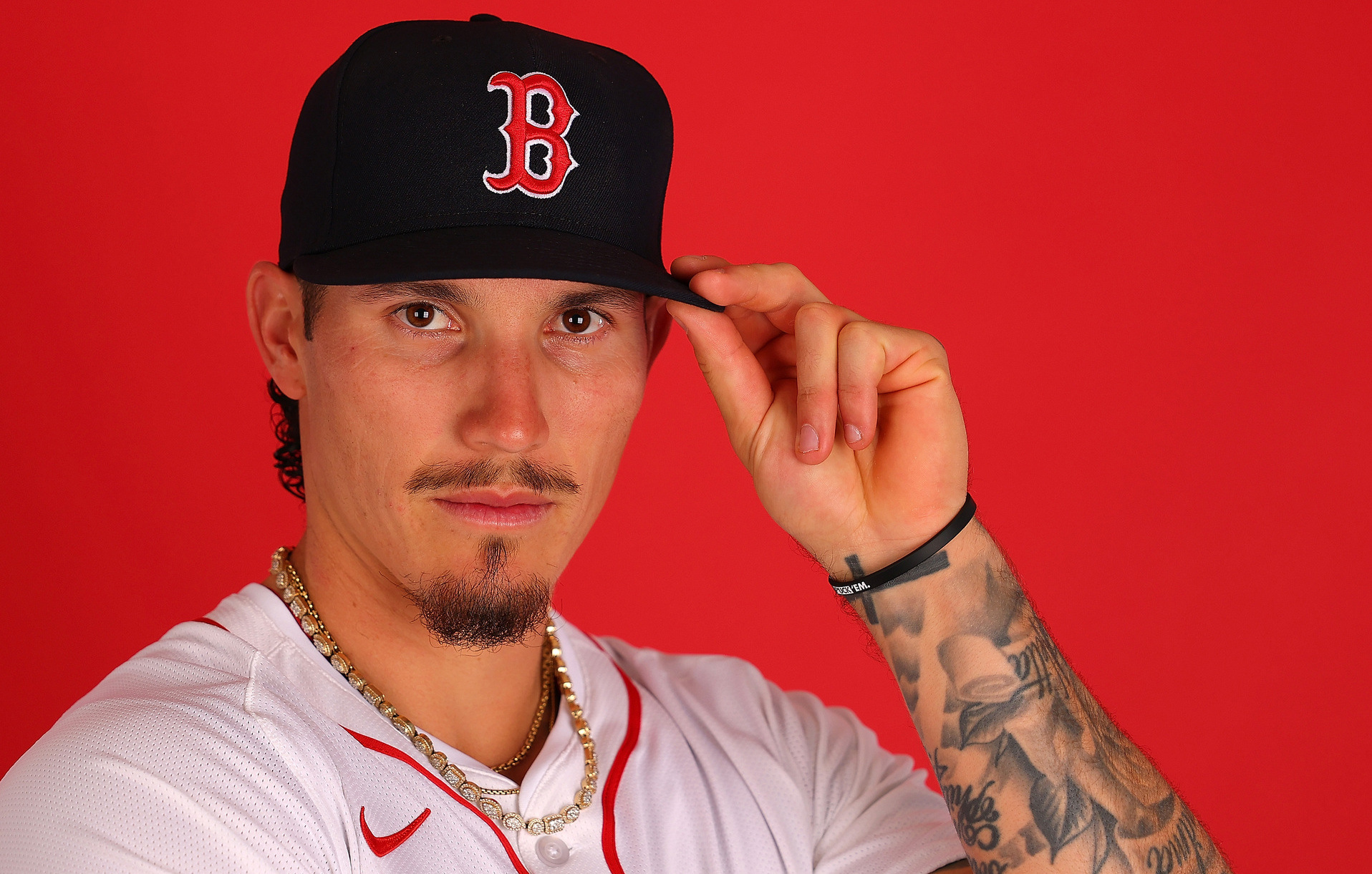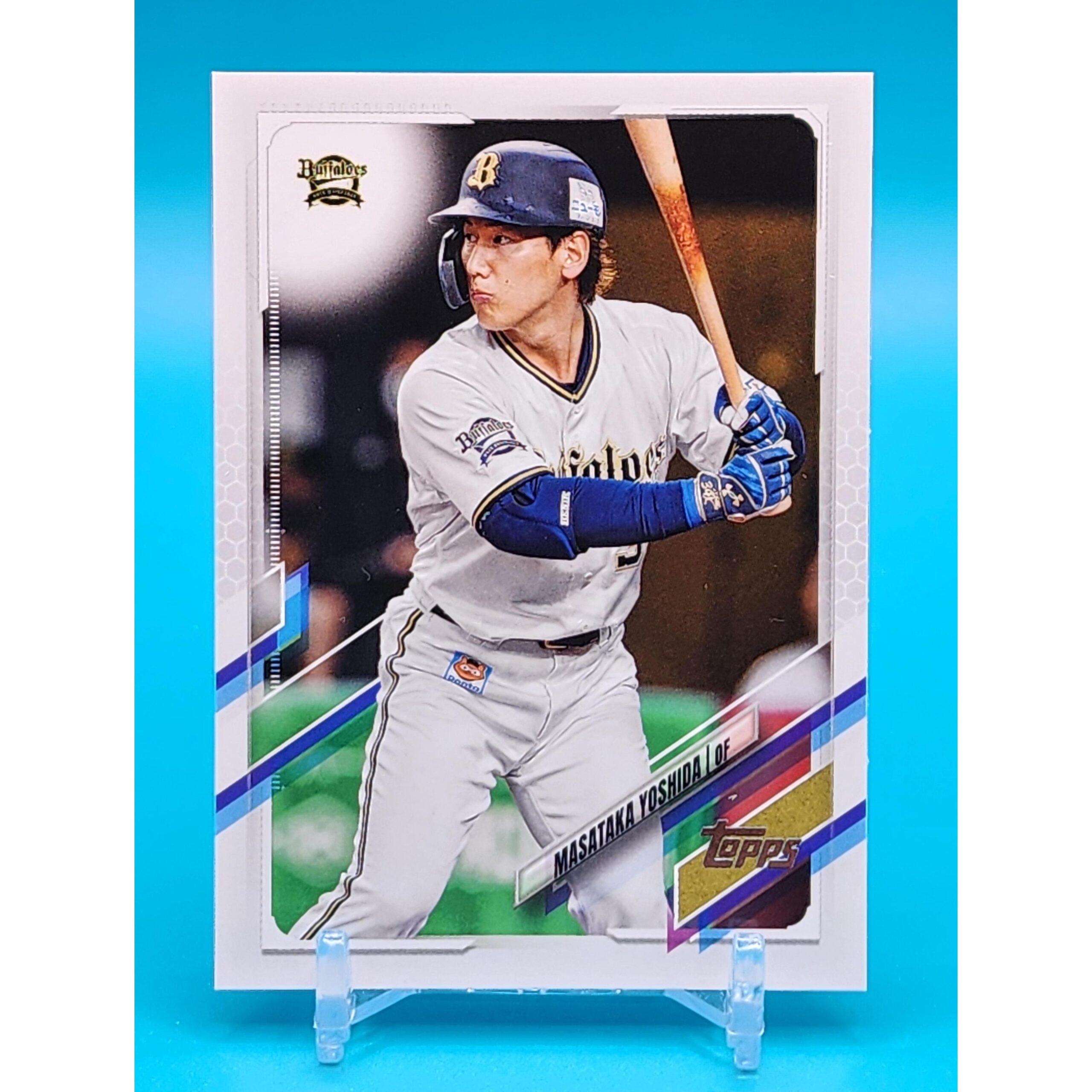
When a player like Masataka Yoshida steps onto an MLB diamond, one might wonder: can the gleaming contact skills honed in Japan’s NPB truly translate to the frenetic pace and power exuberance of Major League Baseball? This question teases both scouts and fans alike, stirring debate about the nuances of batting artistry across these two premier baseball circuits. Yoshida’s reputation as a contact master in the Nippon Professional Baseball league offers a fascinating lens through which to examine the nature of hitting excellence and the possible challenges of transoceanic adaptation.
The Essence of Masataka Yoshida’s Contact Prowess
Masataka Yoshida has long been celebrated as a paragon of contact hitting finesse in Japan’s NPB. His ability to consistently make solid contact is rooted in impeccable hand-eye coordination, a keen batting eye, and an unyielding approach to plate discipline. Unlike power hitters who often focus on launch angle and brute strength, Yoshida’s hitting style emphasizes precision and timing. Each swing is a symphony of balance and control, allowing him to spray line drives to all fields with relative ease.
This mastery of contact isn’t merely about avoiding strikeouts—it’s an intricate ballet that balances swing mechanics, pitch recognition, and situational awareness. His low strikeout rate coupled with a high batting average paints a portrait of a hitter who rarely lets opportunities slip by undisturbed. This foundational skill set forms the backbone of his offensive identity and frames the question: can such a methodical approach thrive amid MLB’s heightened velocity and shifting pitch arsenals?
Comparative Analysis: NPB Versus MLB Pitching Landscapes
The transition from NPB to MLB pitching is often cited as a formidable hurdle. Japanese pitchers are known for their craftiness, frequently employing breaking balls, changeups, and off-speed offerings to disrupt timing. Yoshida’s success in the NPB, therefore, rests on his adeptness at handling these subtleties. However, Major League hitters face a different brewing storm—an influx of pitchers who combine blistering velocity with increasingly sophisticated spin rates and pitch sequencing.
The MLB mound is a conjurer’s den where fastballs blur past at 95-plus mph, and the diversity of pitch types can bewilder even the most seasoned hitters. Yoshida’s challenge lies in recalibrating his reactive instincts honed against a certain style. Can his acute bat control and pitch recognition hold firm when confronted with the ironclad fastballs and sunkissed sliders of MLB’s elite? Or will these adjustments require a fundamental rewrite of his batting philosophy?
Adapting Swing Mechanics to New Realities
Contact excellence in the NPB is often paired with a compact, efficient swing designed to neutralize precise Japanese pitching. Yet, MLB’s pitchers leverage raw power and movement, often prompting hitters to elongate their swings in pursuit of power or adjust their timing to handle pitch selectivity. Yoshida’s swing mechanics, with their fluid economy, might need subtle modifications to handle the increased speed and movement found in the majors.
These adaptations do not insinuate a loss of his hallmark grace but rather signify an evolution. Small alterations in loading phase, bat path, or even stance can help maintain his contact productivity while expanding his offensive repertoire. The balancing act here is delicate—retain the virtues that made him a contact hitter without sacrificing the split-second decisions needed to thrive in a faster-paced environment.
The Psychological Dimension of Hitting Transition
Beyond physical alterations, the psychological arena looms as a significant frontier in Yoshida’s MLB journey. Contact hitting, especially under duress, requires an unshakeable confidence and the mental acuity to process pitch patterns instantly. The pressure to validate one’s NPB pedigree amid skepticism can weigh heavily on a player’s psyche.
Moreover, newly minted challenges—be they unfamiliar ballparks, cultural differences, or rigorous travel schedules—compound the mental load. Yoshida’s capacity to maintain his composure and intellectual engagement during each at-bat will likely distinguish him from those who falter. This mental fortitude is an often-underestimated facet of batting that propels great contact hitters to sustained success despite external variables.
Leveraging Statistical Insights in Evaluating Transition Potential
Advanced metrics offer critical insights into Yoshida’s prospective impact. One must examine his on-base percentage, contact rates within zone and out of zone, and strikeout-to-walk ratios to assess his adaptability. His exceptional clip against off-speed pitches and aptitude for hitting to all fields signal a resilient skill set likely to weather initial transitional turbulence.
The correlation between NPB contact hitters who succeeded in MLB historically provides a statistical roadmap. Players with similar profiles to Yoshida who showcased discipline and versatility often translated well. Nonetheless, the unpredictability of pitching in the majors means that empirical data only sketches outlines, encouraging a watchful anticipation rather than premature conclusions.
Could Masataka Yoshida Redefine Contact Hitting in MLB?
More than a mere test of skill transfer, Yoshida’s transition presents an opportunity to redefine contact hitting in an environment increasingly obsessed with power. His approach harkens back to an elegant tradition of baseball—one that values consistency, adaptability, and instincts above sheer slugging. If he can successfully adapt without diluting his core talents, Yoshida might well blaze a trail for a resurgence of contact-focused hitters in the majors.
This possibility evokes a playful challenge for baseball purists: in an era dominated by launch angles and strikeouts, can a refined craftsman like Yoshida turn back the tide? His journey could emphasize that contact is not an outdated art but a dynamic weapon—resilient, transformative, and deeply strategic.
Conclusion: Embracing the Complexity of NPB-to-MLB Transitions
Masataka Yoshida’s contact skills personify a nuanced mastery shaped by Japanese baseball’s unique contours. Translating this mastery to MLB’s frenetic theater involves a tapestry of adjustments—mechanical, psychological, and strategic. While challenges certainly await, Yoshida’s strengths equip him well to bridge the gap.
His story encapsulates the broader narrative of international talent blending into MLB’s ecosystem. It underscores that contact hitting remains a compelling and relevant facet of baseball’s evolution. Yoshida’s voyage not only tests the fidelity of NPB techniques against MLB rigors but also enriches the sport’s global dialogue about what hitting excellence truly means.


![Why I’m Fading [Highly Ranked Pitcher] Due to Injury History](https://zellspinstripeblog.com/wp-content/uploads/2026/04/Running-injury-not-healing-RunTeach.jpg)