The convergence of sports memorabilia and pop culture has birthed a phenomenon unlike any other in the collectibles universe: the Steve Aoki MLB card break. This isn’t merely a transaction—it’s an event, a spectacle, a communal ritual where the thrill of the diamond meets the pulse of electronic beats. For the uninitiated, a card break is a group activity where collectors purchase spots in a live-streamed session to open packs of trading cards, often featuring athletes from Major League Baseball. When the subject is Steve Aoki—a DJ, producer, and global icon whose influence stretches from EDM festivals to mainstream charts—the break transcends the ordinary. It becomes a cultural moment, a fusion of fandom, nostalgia, and speculative excitement. This article explores the multifaceted layers of the Steve Aoki MLB card break phenomenon, dissecting its appeal, mechanics, and the diverse content ecosystems it has spawned.
The Anatomy of a Card Break: How It Works and Why It Captivates
A card break is a meticulously orchestrated live event, typically streamed on platforms like YouTube or Twitch, where a host opens packs of sports cards in real time. Participants buy “spots” in advance, each corresponding to a specific card slot (e.g., base, autograph, relic) within a sealed box of cards. The host reveals the contents of each pack sequentially, and the value of the cards is distributed among the spot holders based on pre-agreed rules. The Steve Aoki MLB card break elevates this format by infusing it with the DJ’s star power. Collectors aren’t just chasing rare parallels or autographed memorabilia—they’re participating in a cultural crossover where the energy of a live set meets the suspense of a pack opening. The communal aspect is pivotal; viewers chat in real time, reacting to pulls, celebrating surprises, and commiserating over near-misses. This shared experience transforms a simple transaction into a social event, binding strangers through a mutual obsession with both baseball and Aoki’s legacy.
The Allure of the Artist-Athlete Crossover: Why Steve Aoki?
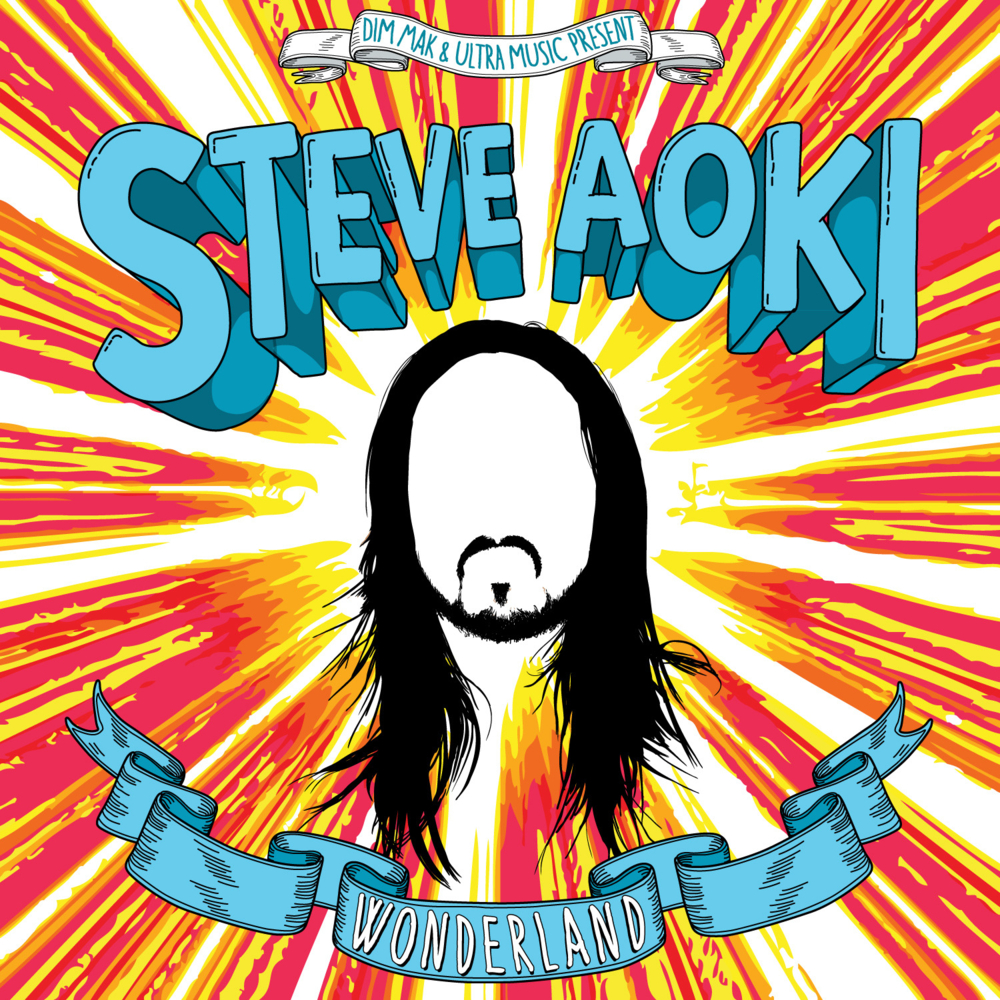
Steve Aoki’s integration into the MLB card ecosystem isn’t accidental. It’s a calculated fusion of two worlds that, on the surface, seem diametrically opposed: the grit of professional baseball and the electrifying pulse of electronic dance music. Aoki, with his neon-lit aesthetic and genre-blending sound, represents a bridge between generations. For Gen Z and millennial collectors, his presence in a traditionally nostalgic hobby like baseball cards is a breath of fresh air. It signals that sports memorabilia isn’t just for Baby Boomers reminiscing about their childhood heroes—it’s a living, evolving space where pop culture and athletics collide. Moreover, Aoki’s global fanbase ensures that these breaks attract international audiences, amplifying the reach and prestige of the event. The cards themselves—often featuring Aoki in dynamic poses, his signature wild hair and sunglasses emblazoned on the cardboard—serve as both collectibles and conversation starters, embodying the fusion of art and sport.
Types of Content Emerging from the Breaks: Beyond the Packs
The Steve Aoki MLB card break isn’t a one-dimensional spectacle. It’s a content goldmine, spawning a variety of media that extends the experience far beyond the initial live stream. For collectors who couldn’t participate in real time, edited highlight reels capture the most dramatic moments—flipping a rare autograph, the gasp of the chat when a parallel is pulled, or the host’s reaction to an unexpected hit. These clips are often shared across social media platforms, optimized for algorithms that favor short, high-energy content. Additionally, in-depth recap videos dissect the financial implications of the break, analyzing the return on investment for participants based on the cards pulled. Some creators go further, producing “what if” scenarios—imagining how the break would have unfolded if certain cards had been pulled instead. Podcasts and YouTube series delve into the psychology of collecting, interviewing participants about their strategies, regrets, and dreams. Even meme culture thrives in the aftermath, with collectors crafting humorous content around the most unexpected pulls or the “what could have been” moments. This ecosystem ensures that the phenomenon remains relevant long after the packs are opened.
The Economic Engine: How Card Breaks Drive the Secondary Market
At its core, the Steve Aoki MLB card break is a speculative marketplace. The value of the cards pulled—especially autographed versions or limited parallels—can fluctuate wildly based on demand, condition, and market trends. Breaks often serve as price discovery mechanisms, where the revealed cards set new benchmarks for similar items in the secondary market. For instance, if a Steve Aoki autographed card in gem mint condition is pulled during a break, its market value may surge as collectors rush to acquire it. Conversely, if a break yields mostly common cards, the perceived value of the set may dip temporarily. This volatility creates a feedback loop: the break itself influences the market, which in turn shapes future break strategies. Savvy collectors and hosts leverage this by curating breaks with specific goals—maximizing profit, showcasing rare parallels, or even donating proceeds to charity. The economic ripple effects extend beyond the cards themselves, boosting sales for the trading card companies, increasing demand for related merchandise, and even influencing the design of future sets. In essence, the break is both a product and a catalyst for the broader collectibles economy.
Community and Culture: The Social Fabric of Card Breaks
To understand the Steve Aoki MLB card break phenomenon, one must recognize its role as a modern-day digital campfire—a gathering place where shared passions forge connections. The chat rooms during these events are microcosms of online culture, blending humor, expertise, and camaraderie. Collectors trade tips on grading companies, debate the authenticity of pulls, and share personal stories tied to the cards they’ve acquired. For many, these breaks are more than just a hobby; they’re a form of social currency, a way to belong to a niche community that spans continents. The inclusion of Steve Aoki adds another layer to this social dynamic. His fanbase, known for its loyalty and enthusiasm, brings a level of energy that traditional sports card breaks often lack. The result is a hybrid culture where baseball purists rub shoulders with EDM enthusiasts, united by the thrill of the unknown. This cultural melting pot is reflected in the content produced around the breaks, from fan art featuring Aoki and baseball legends to collaborative videos where collectors from different backgrounds share their experiences.
The Future of Artist-Athlete Collaborations in Collectibles
The Steve Aoki MLB card break is a harbinger of a broader trend: the blurring of lines between sports, music, and art in the collectibles space. As artists and athletes seek new avenues for engagement, collaborations like this are likely to proliferate. Imagine a break featuring a K-pop star’s rookie card, or a jazz musician’s autographed basketball card. The possibilities are endless, limited only by the imagination of creators and the appetite of collectors. This evolution reflects a larger shift in how fandom operates in the digital age. Collectors today aren’t just passive consumers; they’re active participants in shaping the narrative around the items they covet. The Steve Aoki break exemplifies this shift, turning a simple card-opening event into a multimedia spectacle that engages audiences across multiple platforms. As technology advances—with augmented reality, blockchain-based authentication, and interactive streaming—these breaks will only become more immersive, offering collectors new ways to experience the thrill of the chase.