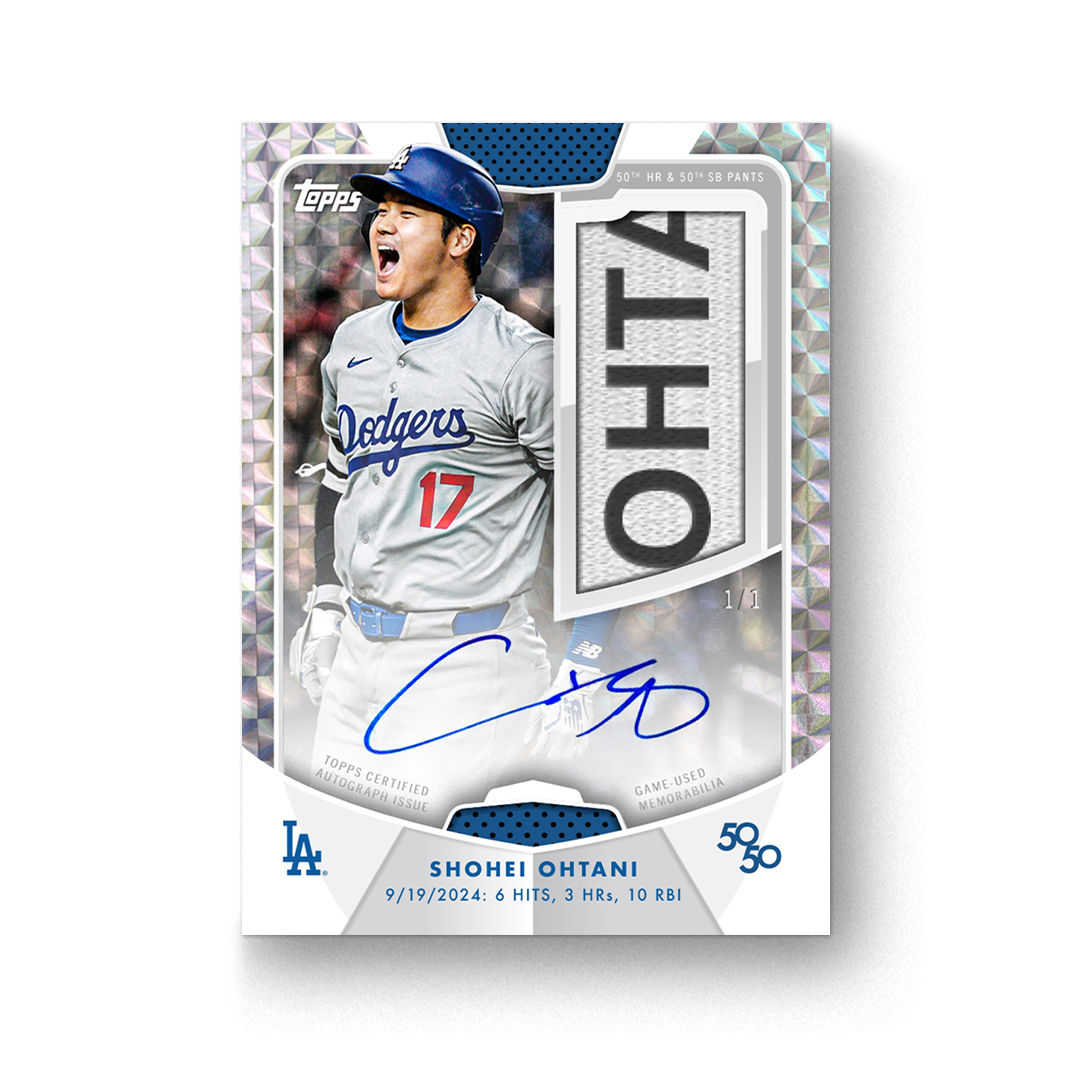
Can a single misplaced baseball card really cover a month’s rent? In the intricate ecosystem of collectibles, errors can transform a humble trading card from a mere memento to a pecuniary lifeline. Baseball, often lauded not just for its rich history but also for the passionate world of memorabilia it cultivates, gifts enthusiasts with opportunities that stretch far beyond the diamond. But what happens when an overlooked blip in printing suddenly becomes the fulcrum of financial salvation? This intriguing confluence of nostalgia, rarity, and the quirks of production errors opens a fascinating dialogue about value, chance, and the unpredictable roads collectibles can pave.
The Curious Nature of Baseball Card Errors
Baseball cards have long captured the imaginations of fans, serving as both tokens of fandom and coveted assets. However, within the vast armies of printed cards, printing mistakes — often called ‘error cards’ — emerge as anomalies that can shift the perceived worth of a card dramatically. These inaccuracies might include misalignments, incorrect player statistics, misspelled names, or odd photographic glitches. Far from detracting, these quirks frequently add layers of intrigue, imbuing the card with an unintended rarity.
Collectors, armed with a keen eye for such flaws, often treat error cards as prized possessions. The scarcity of these mistakes, compounded by the fervor of fanbases, can spur a card’s value far beyond its standard counterpart. But this value isn’t solely monetary; it beckons a collector’s narrative, a story that enshrines the unpredictability of both the sport and its memorabilia.
Why Do Error Cards Gain Value?
At first blush, mistakes might seem like defects — a downgrade rather than a treasure. Yet, in the trading card universe, rarity is king. The fewer copies of a particular card exist in circulation, the more collectors are willing to pay for it. When an error slips through quality control and reaches the market, it instantly sets itself apart.
Furthermore, the context of what the error represents elevates interest. Sometimes the error involves a beloved or legendary player, which can magnify its appeal. Other times, the story behind the error’s emergence—such as a rushed production or a clerical oversight—adds a layer of mystique. In many senses, possessing an error card is akin to owning a fragment of baseball history that was never meant to exist.
From Passing Curiosity to Financial Windfall
It’s one thing to recognize an error card as a collectible artifact; it’s another to see it morph into a significant financial boon. The journey from obscure oddity to rent-paying asset underscores the intersection of optimism and shrewd market behavior among collectors.
Imagine an individual holding onto a seemingly ordinary card, unaware that a subtle printing anomaly endows it with extraordinary value. Upon discovery, researching the card’s background and market demand can reveal a potential fortune. Auctions, private sales, and collectibles marketplaces facilitate the monetization of such cards, often fetching prices that defy expectations.
However, striking gold with an error card is far from guaranteed. Factors such as card condition, authenticity, market trends, and timing all interplay. Despite this, stories abound of enthusiasts who have unintentionally stumbled upon cards that have alleviated financial burdens — including hefty monthly expenses like rent.
The Psychology Behind Collecting Error Cards
Collecting error cards transcends the mere acquisition of physical objects. It’s steeped in the psychology of rarity hunting, the thrill of the unexpected, and the validation of possessing something inconceivable to others. Most collectors experience an emotional connection to their finds, an investment of time and passion that can transform a simple card into a talisman of good fortune.
The added narrative layer error cards embody often compels collectors to share stories, further inflating the cultural capital of the card. This social currency sometimes exceeds the financial, creating communities bonded over rare found treasures. The joy derived from owning an error card, then, is as much about storytelling as it is about fiscal value.
Challenges in Authenticating and Selling Error Cards
Despite their allure, error cards present peculiar challenges, chiefly in authentication. The line between genuine printing anomalies and intentional alterations or damage can be thin. Expert graders and authenticator services often become indispensable in establishing a card’s legitimacy and assigning a definitive grading, thereby influencing trust and market value.
Selling error cards can also pose hurdles. Unlike mainstream cards with stable or predictable pricing, error cards inhabit a more volatile niche market. Sellers may need to navigate specialized auctions or connect with niche buyers who fully appreciate the card’s unique provenance. Patience and market savvy become crucial assets for those seeking to convert an anomaly into a payday.
The Broader Impact on the Baseball Collectibles Market
Error cards inject dynamism into the baseball collectibles market. Their sporadic appearances create spikes in interest, driving collectors to scrutinize collections with renewed zeal. This heightened activity can ripple outward, energizing adjacent sectors and encouraging manufacturers to pay more attention to quality control—or in some cases, to embrace quirks that might one day captivate collectors.
Moreover, the stories of error cards serving as financial lifelines add a romanticism to the market. They remind enthusiasts that beyond odds and statistics, baseball — both as a sport and a cultural phenomenon — can surprise and sustain lives in unexpected ways. This mythos helps support a thriving ecosystem where passion and prudence intermingle.
Conclusion: When Baseball Cards Become More Than Just Memorabilia
The tale of an error card that just paid the rent is not simply a story of chance; it’s a reminder of how deeply entwined value and narrative become in the world of collectibles. These anomalies, often overlooked in the shuffle of mass production, become tokens of serendipity. They challenge assumptions about worth, demonstrating that sometimes imperfections bear the most remarkable gifts.
Ultimately, an error card’s journey from a misprint to a financial savior invites a playful question: What hidden treasures might be lurking in your own collection, waiting to rewrite your story? In the shadowed crevices of baseball memorabilia, curious fortunes await discovery, proving that in baseball, as in life, sometimes the unexpected holds the greatest promise.