In the intricate world of fantasy baseball and real-life analytics, the dispute between batting average (AVG) leagues and on-base percentage (OBP) leagues is more than a mere statistical squabble. It is a philosophical divergence that challenges how we perceive value, efficiency, and intelligence within the game. While batting average provides a rudimentary glimpse into hitting success, the OBP league invites participants into a realm of nuanced understanding and refined strategy. This narrative seeks to dismantle the archaic allure of AVG leagues and illuminate why OBP formats are the bastions of cerebral competition.
The Primitive Allure of Batting Average Leagues
Batting average, historically celebrated as the quintessential metric of hitting prowess, has an undeniable allure rooted in simplicity. It is easy to grasp—hits divided by at-bats—and thus, it has captivated the casual observer for over a century. However, this metric masks a critical flaw: it fails to account for the act of reaching base through means other than hits, such as walks or being hit by pitches. In essence, AVG leagues cater to a primal and superficial interpretation of offensive success. They encourage a myopic focus on contact hitting and overlook the holistic process of generating runs.
The dominance of AVG leagues is tantamount to evaluating an intellectual by the number of words they utter, rather than the profundity of their discourse. Batting average neglects plate discipline, patience, and strategic on-base skills. It reduces hitting to a binary triumph or failure, ignoring the spectrum where value often festers. Participants who cling to AVG leagues unwittingly champion a bygone era characterized by immediacy and a resistance to deeper analysis.
On-Base Percentage: The Metric of Mastery
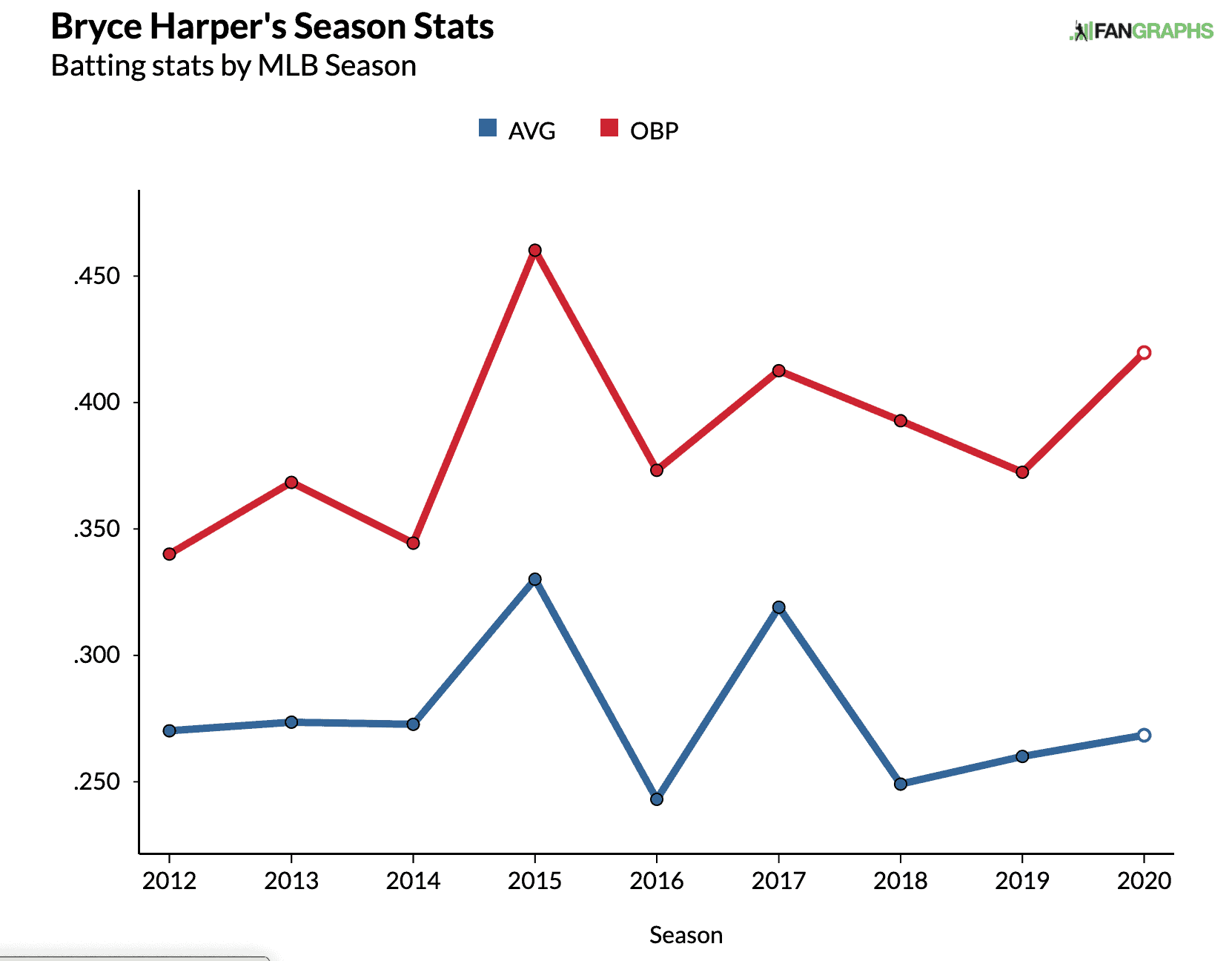
In stark contrast, on-base percentage represents a more sophisticated and incisive evaluation of offensive efficacy. OBP accounts not only for hits but also for the critical act of earning a walk or being hit by a pitch, reflecting a batter’s comprehensive ability to avoid making outs. This seemingly subtle difference transforms the entire strategic landscape of a league. It rewards patience, plate discipline, and an understanding of how to manipulate the pitcher’s psyche.
OBP is not merely a statistic; it is a paradigm shift. It implicitly acknowledges that baseball is a game of opportunity, not just execution. Getting on base sets the table for scoring, and scoring is the ultimate arbiter of success. This expanded definition elevates players who might be undervalued by batting average alone, recognizing their intellectual approach to the game.
The Intellectual Demands of OBP Leagues
Participating in OBP leagues demands a more cerebral engagement. It rewards the mastery of subtle baseball skills often buried beneath the traditional statistics. Draft strategies must evolve to consider players whose value emanates from their plate appearances rather than mere hits. This promotes a deeper analytical approach, urging managers to explore advanced metrics and player tendencies.
For instance, players with high walk rates, such as those who display exceptional strike zone discipline, gain augmented importance. The calculus becomes multidimensional: it is not simply about stacking hits but about optimizing every opportunity to reach base. Managers must also reevaluate lineup construction, understanding that OBP-informed sluggers influence run creation differently from those prized solely for batting average.
Relegating Batting Average to the Past
To continue clinging to AVG-based formats is to embrace an intellectual atavism. This adherence neglects how modern analytics have transformed baseball. The avalanche of available data, from exit velocities to launch angles and walk-to-strikeout ratios, converges in OBP as a more accurate reflection of a player’s offensive worth.
Batting average leagues ignore the evolutionary trajectory of the sport. They maintain a narrow focus that fails to adapt to a landscape where on-base skills are paramount. The stagnation inherent in AVG leagues fosters decision-making that is reactionary and reflexive, rather than proactive and deliberative. Those entrenched in AVG leagues confine themselves to primitive instincts, while the game itself advances with complexity and nuance.
OBP Leagues as a Reflection of Real-World Baseball Intelligence
The ascendancy of OBP leagues mirrors the increasing sophistication of real-world baseball evaluation. Front offices across Major League Baseball have long employed OBP and its advanced derivatives to construct championship-caliber lineups. It epitomizes a cerebral approach to baseball—a science of maximizing run expectancy, managing risk, and optimizing player contributions.
Engaging in OBP-based competition aligns fantasy managers and baseball aficionados with this intellectual vanguard. It fosters a mindset that values knowledge, foresight, and refined judgment. OBP leagues elevate the competition to a plane that transcends mere luck and raw talent, celebrating strategic insight and adaptability.
Why Change Perceptions? The Promise of Intellectual Enrichment
Embracing OBP leagues promises more than just a change in format; it heralds a cognitive revolution. It beckons participants to question ingrained assumptions and develop a richer understanding of the game’s intricacies. This shift uncovers latent dimensions of the sport that batting average leagues render invisible.
The intellectual enrichment that OBP formats provide is akin to the difference between cursory reading and in-depth literature analysis. The former scratches the surface, while the latter invites deep contemplation and revelation. OBP leagues challenge managers to view baseball through a multifaceted prism, where outcomes are a function of both skill and strategy, precision and patience.
Conclusion: Elevating the Game, Elevating the Mind
Ultimately, the dichotomy between AVG and OBP leagues symbolizes a broader tension between primitive instinct and intellectual refinement. Batting average leagues celebrate surface-level metrics that cater to immediate gratification, while OBP leagues reward comprehensive, context-driven understanding. They foster an environment where cognitive rigor and strategic acumen reign supreme.
For those willing to transcend tradition and embrace a modernized approach, OBP leagues offer a breathtaking expedition into the cerebral heart of baseball. They are designed for intellectuals—individuals who appreciate the interplay of patience, discipline, and value creation. Meanwhile, AVG leagues linger in the shadowy recesses of simplicity, relics of a time when raw numbers overshadowed nuanced insight.
In the end, choosing OBP over AVG is more than a preference—it is a declaration of intellectual allegiance, a commitment to elevating both the game and the mind that contemplates it.