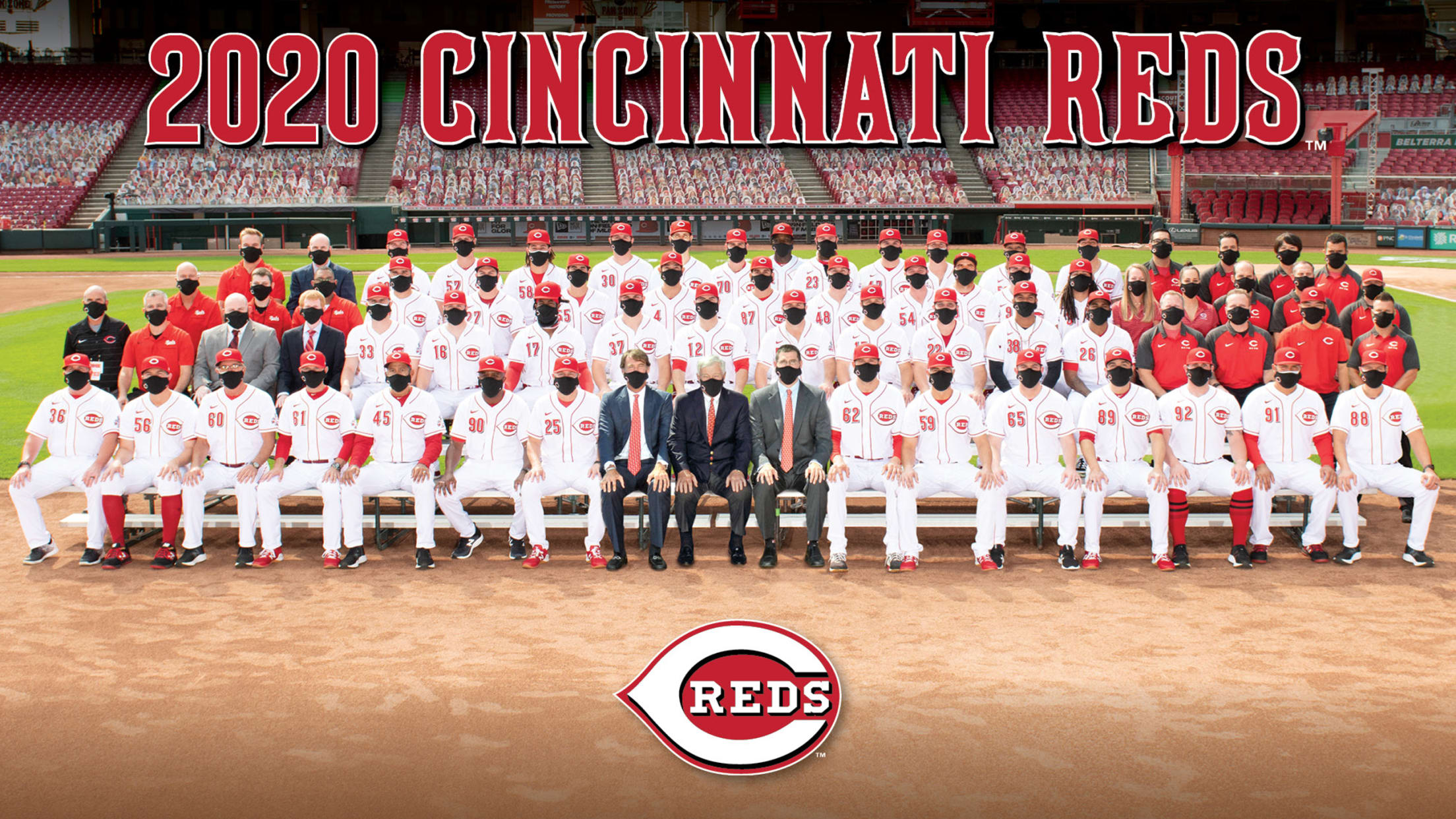
In the vast panorama of Major League Baseball, the Cincinnati Reds have long held a unique and rather endearing position—not as the quintessential fan favorite, but frequently earning the treasured spot as the nation’s collective “second favorite team.” This distinction, while subtle, reflects a deeper cultural and historical affection that transcends mere win-loss records or headline-grabbing superstars. The Reds embody an alluring synthesis of tradition, resilience, and a certain nostalgic charm that consistently captivates both the casual observer and the ardent admirer of America’s pastime.
A Storied Legacy: The Roots of Affection
To understand why the Reds are often embraced as the second-favorite team, one must delve into their rich tapestry of history. Founded in 1882, the Cincinnati Reds are not just among the oldest professional baseball teams—they are the very embodiment of baseball’s formative years. Their storied past includes legendary figures, ground-breaking milestones, and emblematic events that shaped Major League Baseball’s identity. This deep historical resonance evokes a reverence that transcends geographic allegiances, drawing in fans who revere the sport’s origins.
Unlike newer franchises forged in the era of expansion, the Reds carry with them the weight and wonder of tradition. Their legacy includes pivotal moments such as securing the first World Series title in 1919 and the iconic “Big Red Machine” era of the 1970s, which unleashed an electrifying brand of baseball, leaving an indelible mark on the sport. Such rich historical undercurrents foster a collective nostalgia that often positions the Reds as the team fans root for when their own allegiances waver.
Rooted in Resilience: The Underdog’s Persistent Allure
One of the Reds’ most compelling narratives is their persistent fight against the odds—a quality that endears them to countless fans as the quintessential underdog. Throughout their history, Cincinnati has oscillated between moments of brilliance and periods of rebuild, never quite dominating the league consistently, yet always compelling respect through grit and determination. This ebb and flow creates stories of reinvention and tenacity, qualities universally admired by sports enthusiasts.
In an era where dynasties often cluster around massive payrolls and star-studded rosters, the Reds epitomize perseverance. Their ability to compete, develop homegrown talent, and evolve strategically breathes life into a romantic ideal: that of a team fueled more by heart than hype. Fans who crave authenticity and the unpredictable drama of baseball find solace in supporting the Reds, the perennial challenger striving to reclaim former glory.
Community and Culture: More Than Just a Team
Another fundamental reason the Reds enjoy widespread affection outside their immediate fan base is their deep entwinement with the city of Cincinnati and its culture. The Reds symbolize more than just baseball; they represent a community’s spirit, pride, and shared memories. They serve as a unifying force—bridging generations and socio-economic divides through a common love for the game.
This communal bond is palpable on game days at the Great American Ball Park, where tradition and contemporaneity converge. The Reds have cultivated a family-friendly atmosphere emphasizing inclusivity and celebration of local history against the backdrop of America’s pastime. Such cultural rooting makes it easy for neutral fans to adopt a soft spot for the Reds, seeing in them the authentic soul of baseball as it unfolds in a city rich with heritage and hope.
Player Development and Emerging Talent: A Glimpse into Baseball’s Future
The Reds organization has garnered acclaim for its acumen in player development and the nurturing of promising young talent. Unlike franchises heavily reliant on blockbuster trades or free-agent signings, Cincinnati often builds from within, investing in scouting, minor league development, and fostering a clubhouse culture that prioritizes growth. This approach appeals to fans fascinated by the intricacies of baseball’s pipeline and the evolution of raw potential into major league stardom.
Watching Reds prospects mature and flourish provides an engaging subplot within the larger MLB narrative. Each rookie or emerging star carries the hope of a resurgence, inviting fans on a journey of discovery and anticipation. For casual and dedicated baseball fans alike, this commitment to cultivating new heroes adds dimensions that go beyond scores and statistics—offering a sense of witness to baseball’s ever-changing, generational saga.
Innovative Strategies Amidst Traditionalism
While the Reds cherish their heritage, the organization also demonstrates adaptability and innovation—balancing respect for tradition with a forward-looking mindset. From embracing advanced analytics to integrating cutting-edge training methods, the Reds position themselves as a franchise invested in evolving alongside the sport’s modern demands.
This fusion of old and new echoes in their gameplay and management philosophy, often introducing intriguing tactical elements that pique the curiosity of astute baseball followers. It’s this blend of honoring the past while embracing the future that enables the Reds to maintain a distinct identity, reflecting baseball’s broad spectrum and sustaining their appeal as a beloved secondary team for many.
Conclusion: The Quiet Magnetism of the Reds
The Cincinnati Reds’ status as America’s “second favorite team” is no accident. It is borne from an intricate constellation of historical significance, resilience, cultural identity, and forward-thinking strategies. They do not merely play the game; they embody the spirit of baseball itself—timeless, enduring, and deeply human.
For those willing to look beyond the glare of mega-market teams and flashy superheroes, the Reds offer a rich, textured narrative that invites appreciation. In the complex ecology of Major League Baseball fandom, the Reds exude a quiet magnetism, captivating hearts not through dominance but through authenticity. Their story is a testament to why, in the grand theatre of baseball, sometimes being the cherished second favorite resonates more profoundly than any title.

![Why I’m Fading [Highly Ranked Pitcher] Due to Injury History](https://zellspinstripeblog.com/wp-content/uploads/2026/04/Running-injury-not-healing-RunTeach.jpg)