The 2011 Mike Trout rookie card isn’t just a piece of cardboard—it’s a cultural artifact, a financial instrument, and a symbol of baseball’s golden age. When the Los Angeles Angels drafted the Millville Meteor in 2009, few could have predicted the seismic impact he’d have on the sport. By the time his first official Topps card hit shelves in 2011, Trout was already a phenom, but that rookie card? That’s where the magic began. Collectors, investors, and fans alike have chased this card for over a decade, turning it into something akin to the modern Holy Grail of sports memorabilia. Whether you’re a die-hard baseball enthusiast, a seasoned investor, or someone who simply appreciates the artistry of the game, the 2011 Mike Trout rookie card offers layers of fascination that go far beyond its glossy surface.
For the uninitiated, diving into the world of Trout’s rookie card can feel like stepping into a labyrinth of grading scales, print runs, and market fluctuations. But fear not—this isn’t just a guide. It’s an exploration. We’ll dissect the card’s physical and historical significance, examine its role in the collecting economy, and even peek into the future of what this piece of history might be worth. Whether you’re here to admire its design, understand its value, or dream about holding one in your hands, there’s something here for every type of reader.
The Card Itself: A Masterclass in Rookie Card Design
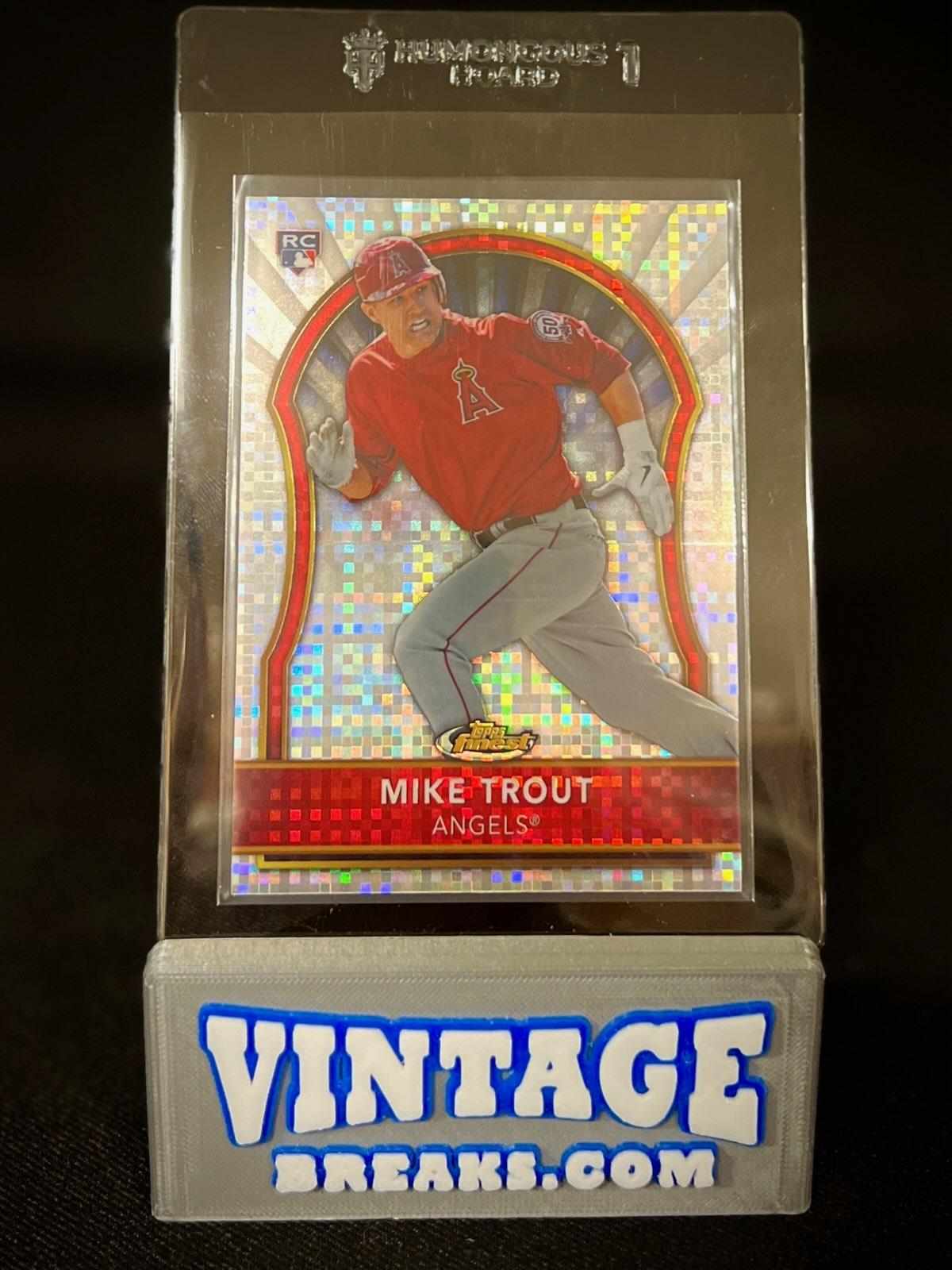
The 2011 Topps Finest Mike Trout X-Fractor rookie card is a marvel of modern card design. Unlike the traditional Topps flagship set, Finest is known for its high-gloss, almost holographic finish—a stark contrast to the matte textures of older cards. The X-Fractor treatment, a patented Topps process, gives the card a prismatic sheen that shifts colors depending on the angle, making it feel almost alive in your hands. Trout’s image is captured mid-swing, his stance frozen in a moment of pure athleticism, the red and blue accents of his Angels uniform popping against the dark background. The card’s borders are minimalist, allowing the player’s image to command attention, a deliberate choice that emphasizes Trout’s star power.
What makes this card particularly special is its scarcity. Topps Finest sets are smaller print runs compared to flagship cards, and the X-Fractor parallels—especially the rookie cards—are even rarer. The odds of pulling one from a pack were slim, which only added to its allure. For collectors, the hunt itself became part of the lore. The card’s back is equally meticulous, featuring a clean, white design with Trout’s stats and a small, tasteful logo. It’s the kind of card that doesn’t just showcase a player—it celebrates the art of baseball itself.
The Investment Angle: Why This Card is a Financial Powerhouse
If you’re not a collector but a savvy investor, the 2011 Mike Trout rookie card is a case study in how sports memorabilia can appreciate at staggering rates. In 2011, a PSA 10 version of this card could be had for under $100. Fast forward to 2024, and the same card in the same grade sells for tens of thousands—sometimes over $100,000 at auction. The trajectory is nothing short of meteoric. But why? The answer lies in a perfect storm of supply, demand, and Trout’s unparalleled career.
Trout’s rookie year was just the beginning. By 2024, he had cemented himself as one of the greatest players of his generation, with three MVP awards, a near-certain Hall of Fame induction, and a resume that includes 300+ home runs, 300+ stolen bases, and a .300+ career batting average. The scarcity of his rookie card—especially in high grades—means that as long as Trout’s legacy grows, so does the card’s value. Investors aren’t just betting on Trout’s past; they’re betting on his immortality in the sport’s history. And unlike stocks or bonds, this asset doesn’t fluctuate with market whims. It’s a tangible piece of baseball’s soul.
Of course, not all Trout rookie cards are created equal. The 2011 Topps Finest X-Fractor is the crown jewel, but other versions—like the base Topps rookie, the Bowman Chrome, or the autographed variants—also hold significant value. The key for investors is understanding the grading ecosystem. A PSA 10 is the gold standard, but even a PSA 9 can fetch five figures. The market is liquid, with auction houses like Heritage and Goldin regularly setting records. For those willing to take the plunge, the Trout rookie card is more than an investment—it’s a legacy play.
The Collector’s Perspective: Hunting, Holding, and Hype
For collectors, the 2011 Mike Trout rookie card is the ultimate trophy. There’s something primal about the chase—the thrill of cracking open a pack, the suspense of checking the card’s surface, the euphoria of finding that elusive X-Fractor parallel. The card’s design, with its shimmering finish and dynamic action shot, makes it a centerpiece in any collection. But beyond the aesthetic appeal, there’s the emotional connection. This card represents the dawn of a generational talent, a player who redefined what it meant to be a five-tool superstar.
Collectors fall into several camps when it comes to Trout’s rookie card. Some chase pristine PSA 10s, willing to pay top dollar for the perfect slab. Others seek out raw copies, hoping to grade them themselves and potentially uncover a hidden gem. There are also those who prioritize autographed versions, whether Trout’s signature is on the card itself or on a patch autograph variant. Each path offers its own rewards, but the underlying theme is the same: this card is a must-have.
The secondary market is a wild west of bidding wars and private sales. Facebook groups, Discord channels, and specialized forums like Blowout Cards and Net54 buzz with activity. Prices can swing wildly based on trends, with PSA 10s sometimes selling for less than a year ago and then skyrocketing again. The hype is real, and it’s infectious. For many collectors, owning a piece of Trout’s rookie card isn’t just about the investment—it’s about being part of baseball history. It’s a tangible link to the game’s past, present, and future.

The Future: What Lies Ahead for Trout’s Rookie Card?
The story of the 2011 Mike Trout rookie card is far from over. If anything, it’s just entering its most fascinating chapter. As Trout ages and his career milestones pile up, the card’s narrative grows richer. A fourth MVP? A 400-400 season? A World Series ring? Each potential achievement sends ripples through the market. Collectors and investors alike will be watching closely, ready to pounce on any sign of a Trout-related surge.
There’s also the question of grading. PSA and BGS have graded tens of thousands of Trout rookie cards, but the market is still hungry for higher-grade examples. A PSA 10 Gem Mint is the holy grail, but as grading standards evolve and more cards are re-submitted, the supply of pristine slabs could tighten further. The rise of “black label” graded cards—those receiving perfect 10s with flawless centering—has already driven prices to new heights. Could we see a Trout rookie card break the $200,000 barrier? It’s not out of the question.
Beyond the physical card, the digital revolution is also reshaping the landscape. NFTs and blockchain-based collectibles are gaining traction, and while they can’t replicate the tactile joy of holding a Trout rookie card, they offer new ways to engage with the hobby. Imagine a digital twin of the X-Fractor card, authenticated on the blockchain, with its own provenance and trading history. The future might blend physical and digital collecting in ways we’re only beginning to imagine.
One thing is certain: the 2011 Mike Trout rookie card will remain a cornerstone of the sports memorabilia world for decades to come. It’s more than a card—it’s a time capsule, a financial asset, and a symbol of baseball’s enduring magic. Whether you’re a collector, an investor, or simply a fan who appreciates greatness, this card offers something unique. It’s a reminder that in a world of fleeting trends, some legacies endure.

The 2011 Mike Trout rookie card is more than a collectible—it’s a phenomenon. It’s the kind of artifact that transcends its medium, capturing the imagination of generations. Whether you’re drawn to its design, its investment potential, or the sheer thrill of the chase, there’s no denying its power. In a hobby where nostalgia and future value collide, this card stands as a testament to the enduring allure of baseball’s brightest stars. Hold it, invest in it, or simply admire it from afar—but never underestimate its significance. The modern Holy Grail isn’t just a myth. It’s here, gleaming under the lights of a collector’s shelf, waiting for the next chapter to unfold.