The 2010 Major League Baseball World Series presented a compelling clash of franchises, a narrative not just defined by on-field heroics but also by the visual identities each team brought to the grand stage. Beyond the singular emblem of the Fall Classic itself, the primary and alternate logos of the San Francisco Giants and Texas Rangers told their own stories, reflecting decades of tradition, regional pride, and modern branding. These visual anchors, far more than mere decorations, offered fans a tangible connection to their teams’ spirits, their cities’ legacies, and the very essence of baseball’s enduring aesthetic.
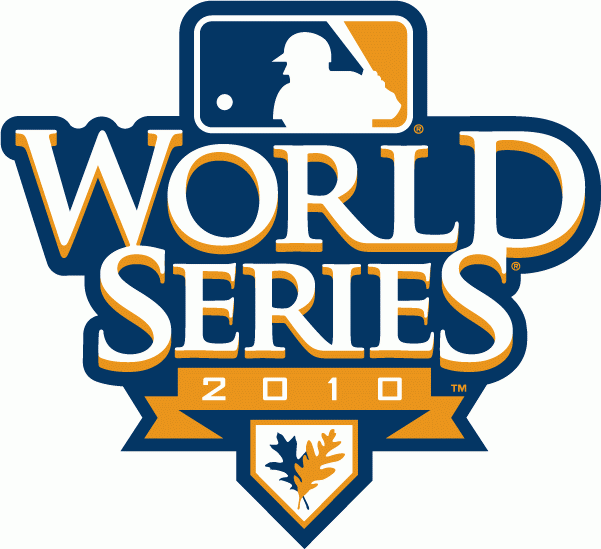
1. The 2010 World Series Official Logo
The official emblem for the 2010 World Series encapsulated the event’s prestige with a blend of classic and contemporary elements. Featuring the familiar Commissioner’s signature alongside a stylized baseball, it prominently integrated the iconic Commissioner’s Trophy. The color palette often drew from the participating teams, creating a unified yet distinctive mark for the championship. This logo wasn’t just an identifier; it was a promise of historical significance, designed to be etched into the memory of fans and the annals of the sport.
2. San Francisco Giants Primary Cap Logo (“SF”)
The Giants’ primary cap logo, a bold and intertwined “SF” in black with an orange outline, stands as one of baseball’s most recognizable symbols. Its elegant serifs and classic design evoke a timeless quality, connecting the modern franchise to its storied past, from New York to San Francisco. This emblem is more than just initials; it’s a direct visual link to the city itself, embodying both the fog-laden charm and the gritty resilience of the Bay Area, a powerful, understated statement of identity.
3. San Francisco Giants Primary Home Jersey Script (“Giants”)
Adorning the chest of the Giants’ home white jerseys, the “Giants” script is a masterclass in baseball typography. Rendered in flowing black script with an orange accent, it harks back to an era of craftsmanship and tradition. This script isn’t merely text; it’s a declaration of identity, echoing the franchise’s deep roots and the historical weight it carries, a familiar sight for generations of fans gathered in Candlestick and later at Oracle Park.
4. San Francisco Giants Primary Road Jersey Script (“San Francisco”)
When the Giants played away from home, their road gray jerseys proudly displayed “San Francisco” across the chest. This choice of city name over team nickname subtly shifted the narrative, declaring their geographical allegiance to a wider audience. The script maintained the elegance and color scheme of the home jersey, ensuring brand consistency while emphasizing their role as representatives of one of America’s most iconic cities on the national stage.
5. San Francisco Giants Alternate Black Cap (“SF” on black)
The Giants frequently utilized an alternate black cap featuring the standard “SF” logo, sometimes with orange text or outline. This variation introduced a sleek, modern aesthetic while retaining the core visual identity. The black cap provided a stark contrast, offering a different mood and edge, often paired with their black alternate jerseys. It presented the “SF” in a versatile light, proving how a classic emblem could adapt to contemporary fashion sensibilities without losing its gravitas.
6. San Francisco Giants Alternate Orange Jersey Logo (“SF”)
Their alternate orange jerseys, often featuring the “SF” logo prominently on the chest, were a vibrant and unmistakable statement. Orange, a color intrinsically linked to the Giants, here took center stage, demanding attention. This jersey provided a spirited visual counterpoint to their more traditional black and cream uniforms, reflecting a confident and dynamic franchise ready to embrace its bold identity, especially in crucial moments like the World Series.
7. San Francisco Giants “Gigantes” Alternate Script
A culturally significant alternate, the “Gigantes” script jersey paid homage to the Bay Area’s vibrant Hispanic community. Written in a distinctive script, this uniform variant transcended mere branding to become a gesture of inclusion and respect. It showcased the team’s commitment to its diverse fan base, offering a powerful symbol of unity and a broader embrace of their community’s identity, adding a unique layer to their visual portfolio during that era.
8. San Francisco Giants Secondary Logo (Giant Head)
The snarling giant head logo, typically found as a sleeve patch, served as a powerful secondary identifier for the San Francisco club. This cartoonish yet fierce depiction of a red-faced giant added a playful aggression to the team’s otherwise traditional branding. It embodied the competitive spirit and unyielding determination the Giants brought to the field, offering a compelling visual metaphor for their nickname and an underlying intensity.
9. Texas Rangers Primary Cap Logo (“T” in Circle)
The Texas Rangers’ primary cap logo featured a bold, block-letter “T” enclosed within a white circle, all outlined in red against a blue cap. This design conveyed a sense of robust simplicity and directness, reflecting the straightforward, no-nonsense spirit often associated with Texas. The patriotic red, white, and blue color scheme firmly rooted the team’s visual identity in its regional heritage, a clear and proud declaration of their home state.
10. Texas Rangers Primary Home Jersey Script (“Rangers”)
Across the chest of their home white jerseys, the “Rangers” script was rendered in a dynamic, slightly italicized style, typically in red with white and blue outlines. This script felt modern yet anchored in classic baseball design, symbolizing both the team’s forward momentum and its connection to the sport’s traditions. It projected a sense of speed and action, perfectly suiting a team known for its aggressive style of play.
11. Texas Rangers Primary Road Jersey Script (“Texas”)
On the road, the Rangers proudly sported “Texas” across their gray jerseys. Similar to the Giants’ approach, this emphasized their regional identity, leaving no doubt about their origins to fans across the league. The script maintained the same energetic style and patriotic color scheme as their home uniform, ensuring a consistent and strong visual representation of the Lone Star State wherever they traveled.
12. Texas Rangers Alternate Cap Logo (“TX”)
The Rangers’ alternate cap often showcased an intertwined “TX” logo, sometimes with a star incorporated into the design. This abbreviation served as a more contemporary and regional emblem, instantly recognizable to locals. It blended modern graphic design with a deep sense of state pride, offering a sleek alternative to the traditional “T” and resonating strongly with a younger demographic while still honoring Texas roots.
13. Texas Rangers Alternate Red Jersey (“Rangers” Script)
Their alternate red jerseys, featuring the “Rangers” script, were a bold visual departure from their primary blue and white. Red, a color of passion and intensity, gave the uniform an undeniable presence on the field. This alternate design allowed the team to make a strong visual statement, projecting confidence and aggression, a potent choice for a club making its first World Series appearance.
14. Texas Rangers Secondary Logo (Lone Star “T”)
A frequent secondary logo for the Rangers integrated the primary “T” with a distinctive five-pointed star, often outlined in red, white, and blue. This emblem was an unmistakable homage to the Lone Star State flag, serving as a powerful symbol of Texas identity. It was often used on sleeve patches or as part of promotional material, reinforcing the strong bond between the team and its unique regional heritage.
15. 2010 World Series Commemorative Patch
Both teams wore a special 2010 World Series patch on their jerseys, typically on the sleeve. This patch, often featuring the official World Series logo and the year, served as a distinct historical marker. It was a visible badge of honor, signifying their participation in baseball’s ultimate championship. For players and fans alike, it wasn’t just a piece of fabric; it was a tangible memento of a season-long journey culminating in the Fall Classic.