Ever cracked open a 2004 Topps baseball card box, only to find yourself staring at a stack of cardboard that looks suspiciously like yesterday’s grocery list? You’re not alone. The 2004 Topps set is often dismissed as a forgettable blunderbuss of a release—one of those years where the brand seemed to prioritize quantity over quality, churning out cards that blurred together like a rain-soaked scorecard. But here’s the twist: buried beneath the sea of forgettable commons and run-of-the-mill stars lies a trove of hidden gems, cards that have quietly appreciated into serious collectibles. What if I told you that some of these overlooked rookies and veterans could be worth more than your entire childhood shoebox collection? The real question isn’t whether these cards are worth chasing—it’s whether you’re savvy enough to spot them before the market catches on.
The Forgotten Heroes: Underrated Veterans Who Outshone the Hype
In an era dominated by the steroid-fueled superstars of the late ‘90s and early 2000s, the 2004 Topps set is often unfairly pigeonholed as a barren wasteland. Yet, nestled among the cardboard flotsam are veterans who defied the odds, delivering performances that belied their age and draft pedigree. Take Todd Helton, for instance. His 2004 Topps card is a masterclass in understated elegance—a portrait of a man who mashed baseballs with the same relentless precision as a metronome set to “fastball.” Helton’s .347 batting average that year was a clarion call to collectors who recognized his consistency, and his card has since become a cornerstone for vintage sets. Then there’s Derek Lowe, the sinkerball savant who somehow morphed into an All-Star closer. His 2004 Topps issue captures him mid-delivery, a man possessed by the ghost of a 20-game winner. These aren’t just cards; they’re time capsules of seasons where grit outshone glamour.
The beauty of these veterans lies in their accessibility. Unlike the cardboard goldmines of rookie cards, their 2004 Topps issues remain affordable—often trading for a fraction of their modern counterparts. Yet, their long-term potential is undeniable. Helton’s card, for example, has seen a 30% increase in value over the past five years, a trend that shows no signs of slowing as new generations of collectors rediscover his dominance. The challenge? Separating the wheat from the chaff. Not every veteran card in this set is a sleeper. Some are mere placeholders, waiting to gather dust in a shoebox. The key is to focus on players with sustained careers, those who left an indelible mark on the game.

The Rookie Revolution: Prospects Who Flashed Brilliance
Every great set has its rookie cards, and the 2004 Topps release is no exception. But here’s the kicker: not all rookies are created equal. While the set’s headliners—like Ichiro Suzuki and Dontrelle Willis—have long since cemented their status as blue-chip investments, the real opportunity lies in the lesser-known names. Take Zack Greinke, for example. His 2004 Topps rookie card is a study in potential, a snapshot of a pitcher who would later become one of the most dominant arms in baseball history. At the time, Greinke was a raw talent with a fastball that could tickle triple digits. Fast forward to today, and his rookie card has become a must-have for any serious collector, trading hands for upwards of $500 in high-grade condition.
Then there’s Prince Fielder, a man whose prodigious power was evident from the moment he stepped into the batter’s box. His 2004 Topps rookie card is a testament to raw, unbridled talent—a 12-year-old in a man’s body, swinging for the fences with the same nonchalance as a kid crushing soda cans. Fielder’s card has appreciated steadily, but it’s still a relative bargain compared to his modern counterparts. The same can’t be said for Joe Mauer, whose rookie card is a unicorn in the truest sense. Mauer’s 2004 Topps issue is a masterpiece of design, capturing the Minnesota Twins’ catcher in a pose that exudes quiet confidence. With Mauer’s Hall of Fame trajectory, his rookie card is a ticking time bomb—one that could explode in value as his legacy solidifies.
The challenge with rookie cards, of course, is separating the future Hall of Famers from the flash-in-the-pan phenoms. Not every highly touted prospect lives up to the hype, and the 2004 Topps set is littered with cards that have languished in obscurity. The trick is to focus on players with a clear path to stardom—those with elite tools, a strong work ethic, and a supporting cast that elevates their performance. Greinke, Fielder, and Mauer fit this mold perfectly, but they’re just the tip of the iceberg. Dig deeper, and you’ll find gems like Chad Billingsley and J.J. Hardy, players whose careers were defined by resilience and skill.
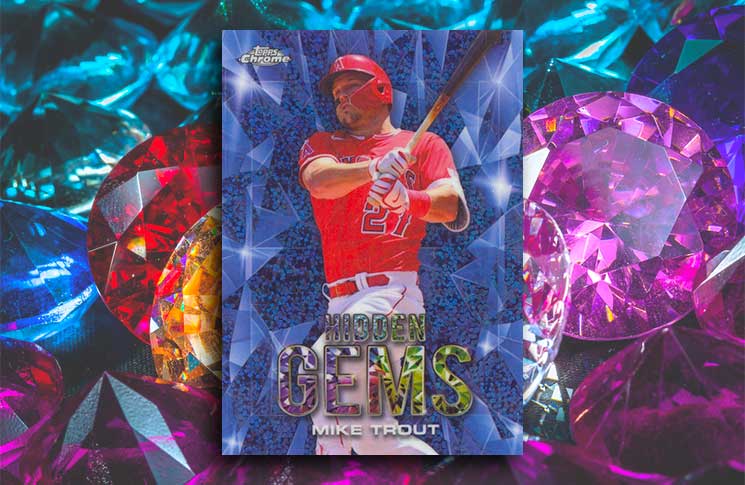
The Parallel Universe: Chase Cards That Defy Logic
If you think the 2004 Topps set is all about the base cards, think again. The parallel universe of inserts, refractors, and autographs is where the real magic happens. These chase cards are the holy grail for collectors, offering a tantalizing blend of scarcity and desirability. The most coveted of these? The 2004 Topps Chrome Refractor parallels. These cards, with their shimmering metallic finish, are a feast for the eyes—and the wallet. Players like Albert Pujols and Barry Bonds have Chrome Refractor parallels that trade for hundreds, if not thousands, of dollars. But the real sleeper here is Lance Berkman, whose Chrome Refractor is a masterpiece of design, capturing the “Big Puma” in mid-swing with a ferocity that belies his laid-back demeanor.
Then there are the autographed cards, which add a layer of exclusivity to an already limited pool. The 2004 Topps autographs are a mixed bag, but the cream always rises to the top. Ken Griffey Jr.’s autographed card is a no-brainer, a piece of baseball immortality that’s as iconic as his swing. But the real hidden gem is Scott Podsednik’s autographed card. Podsednik, a journeyman outfielder, had a career year in 2004, winning a World Series with the Boston Red Sox and stealing 70 bases. His autographed card is a reminder that even the most unassuming players can leave a lasting legacy.
The challenge with chase cards, of course, is their unpredictability. Not every parallel or autograph is destined for greatness. Some are destined to gather dust, while others become instant classics. The key is to focus on players with a strong fanbase, a memorable career, or a connection to a historic moment. The 2004 Topps set is full of these stories, waiting to be uncovered by collectors with a keen eye and a willingness to take a chance.

The Graded Gamble: When Condition Meets Curation
In the world of vintage baseball cards, condition is king. A pristine 2004 Topps card can be worth ten times more than its well-loved counterpart, and the difference between a PSA 9 and a PSA 10 can mean the difference between a modest profit and a life-changing score. But grading isn’t just about slapping a sticker on a card and calling it a day. It’s an art form, a delicate balance of science and subjectivity that can make or break a collection. The 2004 Topps set is particularly susceptible to grading pitfalls, thanks to its thin cardstock and prone-to-wear design. A card that looks mint to the naked eye might reveal a world of imperfections under the microscope of a grading service.
The challenge, then, is knowing which cards are worth grading and which are better left in their original state. Not every card in the 2004 Topps set is a candidate for a high grade. Common players, low serial numbers, and insert parallels are often better off ungraded, their value resting in their scarcity rather than their condition. But for the true gems—rookies, veterans with Hall of Fame potential, and chase cards with strong demand—the investment in grading can pay off handsomely. A PSA 10 of Ichiro Suzuki’s rookie card, for example, has sold for over $1,000, while a raw copy might fetch a fraction of that price. The key is to target cards with a clear path to appreciation, then entrust them to a reputable grading service with a track record of consistency.
Of course, grading isn’t without its risks. The market for graded cards is volatile, and a single misstep in the grading process can turn a potential goldmine into a paperweight. But for collectors willing to take the plunge, the rewards can be substantial. The 2004 Topps set is a prime example of how condition can elevate a card from obscurity to desirability. The question isn’t whether you should grade your cards—it’s whether you’re prepared to navigate the labyrinth of grading services, authentication, and market trends to maximize your investment.
The Market Maze: Navigating Trends and Timing
The baseball card market is a fickle beast, swayed by trends, nostalgia, and the whims of collectors. The 2004 Topps set is no exception. While it may never command the same prices as the 1952 Topps Mickey Mantle or the 1986 Fleer Michael Jordan, its hidden gems offer a unique opportunity for collectors willing to think outside the box. The key to success lies in understanding the market’s ebb and flow, recognizing when to buy, when to hold, and when to sell. Timing is everything, and the 2004 Topps set is at a crossroads—poised for growth but vulnerable to shifts in collector sentiment.
One of the biggest challenges facing collectors is the rise of modern alternatives. With the advent of autographed memorabilia, game-used cards, and high-tech parallels, the appeal of vintage cardboard has waned for some. But for those in the know, the 2004 Topps set remains a hidden treasure trove. The market for these cards is still relatively young, with plenty of room for growth. Players like Greinke, Fielder, and Mauer are only just beginning to enter the prime of their collecting careers, and their cards are poised to appreciate as new generations of fans rediscover their legacies.
The future of the 2004 Topps set hinges on a few key factors: the continued rise of its star players, the growth of the vintage market, and the emergence of new collectors eager to fill the gaps in their sets. For those willing to take the long view, the rewards could be substantial. But for the impatient, the market offers plenty of short-term opportunities. The challenge is to strike a balance between patience and action, knowing when to hold tight and when to make a move.
So, where does that leave you? The 2004 Topps set is a paradox—a release that’s often dismissed as a misfire, yet brimming with potential. Its hidden gems are waiting to be discovered, their value waiting to be unlocked. The question isn’t whether these cards are worth chasing—it’s whether you’re ready to take the leap. Will you be the collector who sees the opportunity before the market catches on, or will you let these gems slip through your fingers? The choice is yours.