The allure of a baseball card isn’t merely in its glossy sheen or the nostalgia it evokes—it’s in the promise it holds. For every card tucked away in a shoebox, there’s a story waiting to unfold: a player’s meteoric rise, a franchise’s golden era, or a fleeting moment of glory immortalized in cardboard and ink. Among the current crop of young talent, Austin Martin’s baseball cards stand out as a tantalizing proposition for collectors and investors alike. At just 26 years old, Martin is already turning heads with his bat and glove, but can his cards truly be the next big thing in the trading card universe? Let’s dive into the factors that make his cards a compelling investment—and why they might just be the hidden gem of the modern baseball card market.
The Rise of Austin Martin: From Draft Day to Diamond Star
Drafted fifth overall by the Toronto Blue Jays in 2020, Austin Martin was hailed as a generational talent—a switch-hitting infielder with a .300-plus career college batting average and the kind of defensive versatility that scouts dream about. Though his path to the majors was delayed by the pandemic and a crowded Blue Jays infield, Martin finally debuted in 2022, flashing the potential that made him a top prospect. His 2023 season, though modest in terms of power numbers, showed glimpses of brilliance: a .280 average, solid on-base skills, and the kind of defensive acumen that could anchor a middle-infield for years.
What makes Martin particularly intriguing is his adaptability. He’s played second base, shortstop, and even third base in the minors, and his bat profiles as a high-contact, high-OBP player—exactly the kind of profile that ages well in modern baseball. For collectors, this versatility translates into a broader appeal: his cards aren’t just for Blue Jays fans or prospect enthusiasts; they’re for anyone who values a player with a well-rounded game. It’s this blend of skill and adaptability that makes his rookie cards and autographs worth a closer look.

Rookie Cards: The Foundation of Future Value
Rookie cards are the bedrock of any modern baseball card investment strategy, and Austin Martin’s rookie cards are no exception. His most coveted rookie card is the 2021 Topps Chrome Autograph, a card that captures the moment he transitioned from prospect to MLB player. The chrome finish gives it a shimmering, almost futuristic quality, while the autograph adds a layer of authenticity that raw rookies lack. These cards have already begun to appreciate, particularly in graded condition (PSA 10s), where they’ve fetched prices north of $100 in recent auctions.
But why do rookie cards hold such sway? It’s simple: they’re the first official trading cards of a player’s career, minted at the precise moment their journey to stardom begins. For Martin, whose career is still in its ascendancy, the rookie card represents a blank canvas—one that collectors can project their hopes onto. The 2021 Topps Series 1 and Series 2 base rookies are also solid options, though they lack the autograph premium. Still, in high grades (Gem Mint 10), these base cards can command $30–$50, making them an accessible entry point for investors looking to get in early.
The key here is patience. Rookie cards of players who go on to have sustained success—think Juan Soto or Fernando Tatis Jr.—often see exponential growth years down the line. Martin’s cards may not be at Soto or Tatis levels yet, but the trajectory is undeniable. For collectors with a long-term mindset, these cards are a low-risk, high-reward play.
Autographs and Relics: The Multi-Dimensional Appeal
Autographed cards are the crown jewels of any collection, and Austin Martin’s autographs are no different. Beyond the 2021 Topps Chrome Autograph, Martin has autographs in several other sets, including Bowman, Topps Heritage, and even some limited-edition releases like the 2022 Topps Tier One. These autographs vary in scarcity—some are numbered to 250 copies, while others are part of broader print runs—but all carry the weight of his signature, a tangible link to his playing days.
Relic cards, which incorporate game-used memorabilia, add another layer of intrigue. Imagine a card with a piece of Martin’s jersey from his first MLB hit or a bat chip from a crucial at-bat. These cards are harder to come by, often limited to high-end releases like Topps Tier One or Bowman Draft, and they cater to collectors who crave a piece of the player’s on-field legacy. The combination of autographs and relics makes Martin’s cards a multi-sensory experience—something to hold, to study, and to admire.
What’s fascinating about autographed and relic cards is how they transform a simple piece of cardboard into a relic of history in the making. For Martin, whose career is still in its formative years, these cards are not just collectibles; they’re artifacts of a story that’s still being written. That narrative potential is what drives demand—and ultimately, value.
Market Trends: Why Now Might Be the Time to Invest
The baseball card market has undergone a seismic shift in the past five years. Gone are the days when cards were mere trinkets for kids; today, they’re treated as alternative investments, with auction houses like Heritage and Goldin regularly selling cards for six-figure sums. This shift has been fueled by a confluence of factors: the pandemic, which drove people to collect as a hobby; the rise of graded cards, which introduced a level of authenticity and standardization; and the generational talent pool of players like Shohei Ohtani and Ronald Acuña Jr., whose cards have become blue-chip assets.
Where does Austin Martin fit into this landscape? He’s not yet at the stratospheric level of an Ohtani or Acuña, but that’s precisely why his cards present an opportunity. The market for young, up-and-coming players is still relatively untapped, and Martin’s profile—versatile, contact-oriented, and with a high floor—makes him a prime candidate for long-term appreciation. Unlike players whose careers are already in decline or whose cards are overproduced, Martin’s cards are still in the “accumulation phase,” where early buyers can secure pieces before the market catches on.
Another trend to watch is the growing interest in Canadian baseball cards. The Blue Jays’ recent resurgence, coupled with the team’s passionate fanbase, has led to a surge in demand for their players’ cards. Martin, as one of the franchise’s brightest young stars, stands to benefit from this regional enthusiasm. Cards featuring Blue Jays players often command a premium, and Martin’s cards are no exception. For collectors who want to ride the wave of a specific team’s popularity, Martin’s cards offer a strategic entry point.
Grading and Condition: The Make-or-Break Factors
In the world of baseball cards, condition is king. A card’s grade—determined by factors like centering, corners, edges, and surface quality—can mean the difference between a $5 card and a $500 card. For Austin Martin’s cards, the difference between a PSA 9 and a PSA 10 can be stark. A 2021 Topps Chrome Autograph in PSA 10 has sold for over $200 in recent months, while the same card in PSA 9 might fetch just $50. The premium for perfection is real, and it’s a critical consideration for investors.
Grading services like PSA, BGS, and SGC have become indispensable in the modern market. They provide a standardized way to assess a card’s condition, which is especially important for high-value cards. For Martin’s autographs and rookies, grading is almost a necessity—raw cards are cheaper upfront, but their long-term value is uncertain without the imprimatur of a grading service. If you’re considering investing in Martin’s cards, budget for grading fees and prioritize cards that are already in excellent condition or have the potential to grade well.
The hunt for high-grade Martin cards is akin to searching for buried treasure. Dealers and collectors scour auctions, Facebook groups, and card shows for that elusive Gem Mint 10, knowing that the right grade can unlock a card’s full potential. It’s a game of patience and precision, but for those who succeed, the rewards can be substantial.
Long-Term Outlook: Is Martin a Future Hall of Famer?
Speculating on a player’s future greatness is always a gamble, but Austin Martin’s profile suggests he has the tools to be more than just a solid major leaguer. His career trajectory could follow a path similar to that of a player like Jose Altuve—a high-contact, high-OBP infielder who becomes a perennial All-Star and a cornerstone of his franchise. If Martin reaches that level, his rookie cards and autographs could see dramatic appreciation, especially if he wins a batting title, makes multiple All-Star teams, or leads his team to a World Series.
Of course, baseball is unpredictable. Injuries, slumps, and unforeseen circumstances can derail even the most promising careers. But Martin’s track record—both in college and the minors—suggests he has the makeup to overcome adversity. His 2023 season, in particular, showed resilience after a slow start, and his defensive metrics (like Defensive Runs Saved) indicate he’s already an above-average fielder. These are the kinds of intangibles that scouts and collectors alike value highly.
The question isn’t whether Martin will be a star—it’s how big a star he’ll become. For collectors, the answer to that question will determine the long-term value of his cards. If he becomes a perennial MVP candidate, his cards could rival those of current superstars. If he settles into a role as a solid everyday player, his cards will still appreciate, albeit at a more modest pace. Either way, Martin’s cards offer a compelling blend of upside and stability.
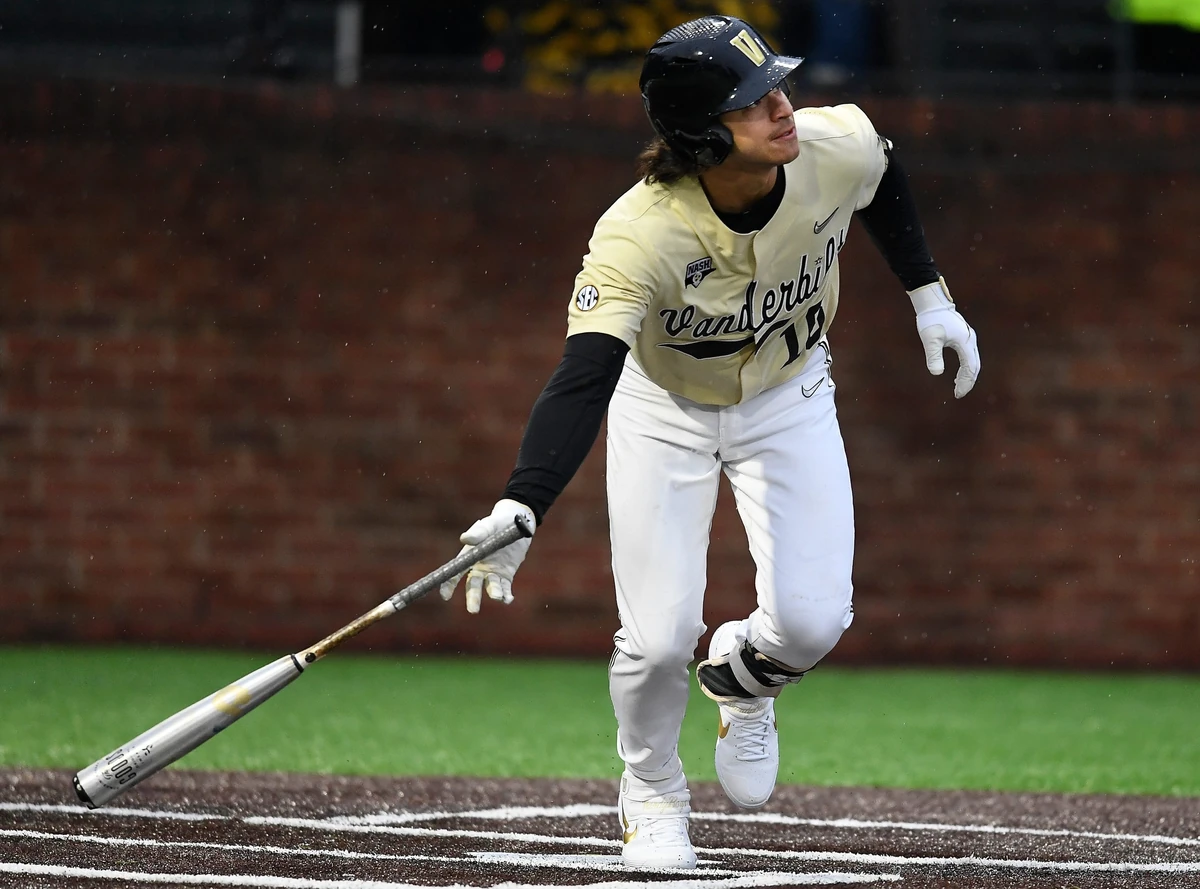
The allure of baseball cards lies in their ability to freeze time—to capture a player’s essence at the exact moment they step into the spotlight. Austin Martin’s cards do more than that; they encapsulate the anticipation of what’s to come. He’s not yet a household name, but he’s on the cusp of something bigger. For collectors, that’s where the magic happens—not in the cards themselves, but in the stories they represent and the futures they foreshadow. Whether you’re a seasoned investor or a casual fan, Martin’s cards offer a rare opportunity to be part of a player’s journey from prospect to legend. And in a hobby where the next big thing is always just around the corner, that’s a thrill worth holding onto.