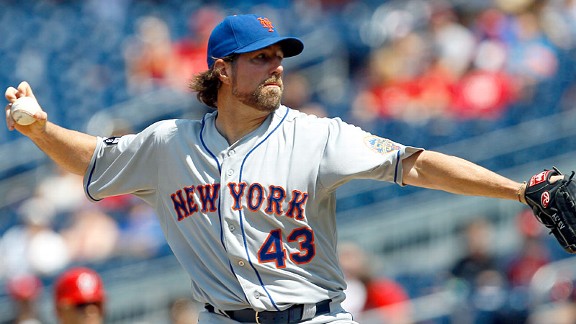
The Bob Feller rookie card isn’t just a piece of cardboard—it’s a time capsule, a frozen moment where the raw velocity of a young fireballer collides with the golden age of baseball cards. Imagine holding a relic that once passed through the hands of a 17-year-old phenom who struck out 15 batters in his major league debut, a card that whispers of an era when players still signed their own autographs on the back and gum companies printed dreams on the front. This isn’t just a collectible; it’s a bridge to a time when baseball was America’s heartbeat, and Bob Feller was its thunderous pulse.
Feller’s rookie card, the 1939 Goudey #244, is more than a collectible—it’s a historical artifact that captures the essence of a bygone era. The card’s design, with its bold colors and vintage aesthetic, mirrors the energy of Feller’s fastball, which once clocked in at an unfathomable 107 mph. Collectors don’t just seek this card for its rarity; they chase the story it tells—a story of a small-town Iowa kid who became a legend, a tale of grit, speed, and the unrelenting pursuit of greatness. The card’s value isn’t just monetary; it’s emotional, a tangible connection to a time when baseball was as much about character as it was about skill.
The Genesis of a Legend: Feller’s Rise and the Birth of a Rookie Card
The story of Bob Feller’s rookie card begins not in a stadium, but in a cornfield. In 1936, a 17-year-old Feller, known as “The Heater from Van Meter,” was pitching for his high school team when a scout from the Cleveland Indians spotted him. The young phenom’s fastball was so blistering that it left batters dazed and confused, a phenomenon that would later earn him the nickname “Rapid Robert.” By the time he debuted in the majors in 1936, he was already a sensation, striking out 15 batters in his first game—a record that would stand for decades.
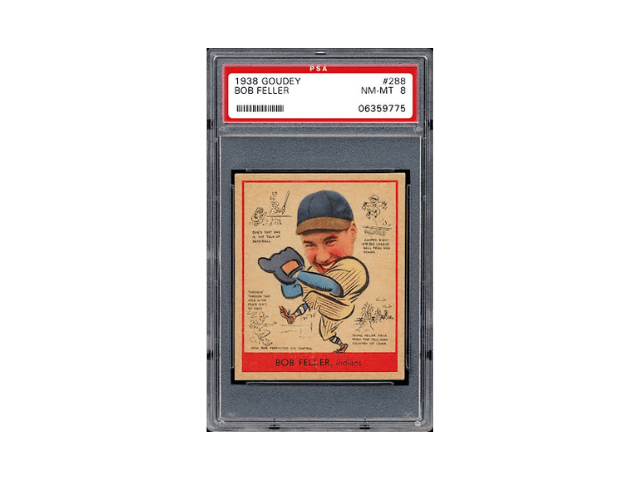
The 1939 Goudey set, where Feller’s rookie card first appeared, was a landmark in baseball card history. Goudey Gum Company, a Boston-based confectionery, had revolutionized the industry by printing cards on high-quality paper and using vibrant, hand-painted artwork. The set featured 240 cards, including some of the most iconic rookies of the era, but Feller’s card stood out. His image, captured mid-windup with a fierce determination in his eyes, embodied the raw power and intensity that defined his career. The card’s back featured a brief biography and a list of his 1938 stats, a snapshot of a young star on the rise.
The rarity of the 1939 Goudey #244 is a tale of survival. Unlike modern cards, which are mass-produced, Goudey cards were printed in limited quantities, and many were lost to time, discarded with gum wrappers or tucked away in shoeboxes. Today, a high-grade Feller rookie card is a unicorn in the collecting world, with only a handful graded PSA 8 or higher. The card’s value isn’t just a reflection of its scarcity; it’s a testament to the enduring legacy of a player who redefined what it meant to be a pitcher.
The Alchemy of Condition: Why Grade Matters in Feller’s Rookie Card
In the world of vintage baseball cards, condition is king. A Bob Feller rookie card in PSA 10 Gem Mint condition isn’t just a card—it’s a masterpiece, a flawless relic that has withstood the ravages of time. The grading scale, from PSA 1 to PSA 10, is a measure of preservation, a way to quantify the intangible aura of a card. A Feller rookie in top condition isn’t just a collectible; it’s a museum piece, a tangible link to the past that has been preserved with the same reverence as a rare painting.
The factors that determine a card’s grade are meticulous. Corners must be sharp, free of fraying or wear. Edges should be clean, without chipping or rounding. Surface quality is paramount—no creases, stains, or print defects. Centering, the alignment of the image within the borders, is critical; a perfectly centered Feller card is a thing of beauty, its vibrant colors and sharp details a testament to the craftsmanship of Goudey’s printers. The back of the card, often overlooked, must also be pristine, with clear text and no discoloration.
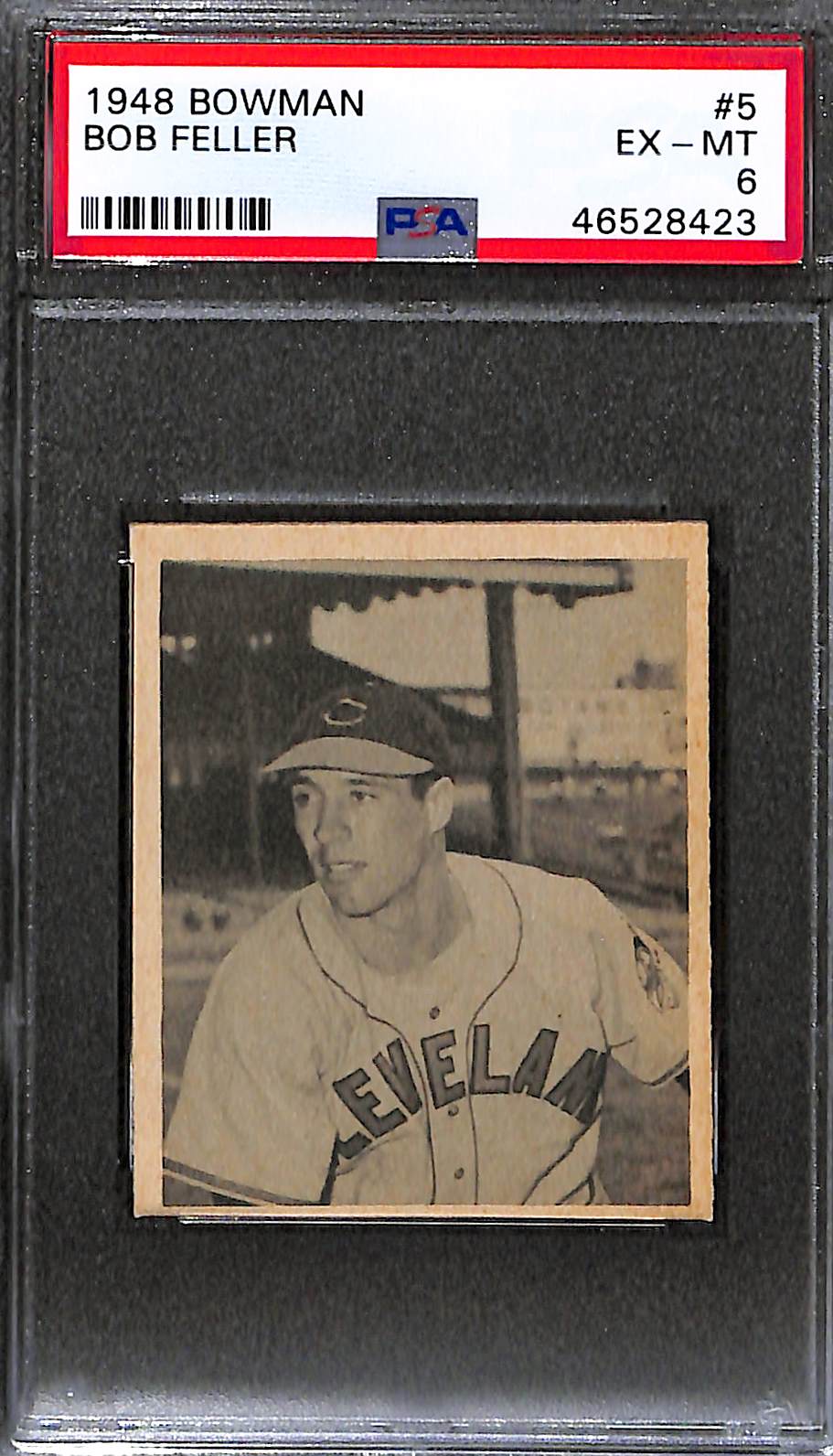
The market for high-grade Feller rookie cards is a high-stakes game, where condition can mean the difference between a six-figure sale and a card that lingers unsold. A PSA 10 Feller rookie has sold for over $1 million, a price that reflects not just its rarity, but its status as a cultural icon. Collectors aren’t just buying a card; they’re investing in a piece of history, a tangible connection to a time when baseball was as much about storytelling as it was about statistics.
The Market’s Pulse: Tracking the Value of Feller’s Rookie Card
The value of a Bob Feller rookie card is a living, breathing entity, shaped by the ebb and flow of the collecting market. Like a stock on Wall Street, its price is influenced by trends, economic conditions, and the whims of collectors. In the 1980s and 1990s, vintage cards were a hot commodity, with Feller’s rookie card fetching prices that seemed almost surreal. Today, the market has matured, but the card’s allure remains undiminished. Auctions at Heritage, SCP, and other major houses regularly feature Feller rookies, with prices ranging from tens of thousands to over a million dollars, depending on grade and provenance.
The factors that drive the market for Feller’s rookie card are as varied as they are complex. Rarity is the most obvious—there simply aren’t many high-grade examples left. Provenance, the card’s documented history of ownership, can also add value, especially if it’s tied to a notable figure in baseball history. Market trends play a role, too; when vintage cards surge in popularity, Feller’s rookie card often rides the wave. Economic conditions, such as recessions or booms, can also impact prices, as collectors adjust their spending habits based on their financial outlook.
One of the most intriguing aspects of the Feller rookie card market is its resilience. Even during downturns, the card retains its value, a testament to its status as a blue-chip collectible. Unlike modern cards, which can be mass-produced and lose value quickly, Feller’s rookie card is a finite resource. There will never be another one like it, and that scarcity ensures its enduring appeal. Collectors who invest in a high-grade Feller rookie aren’t just buying a card; they’re making a statement about the timelessness of baseball’s golden era.
The Collector’s Quest: Hunting for the Perfect Feller Rookie
For collectors, the pursuit of a Bob Feller rookie card is a journey, a quest that blends passion with patience. It’s not enough to simply own a Feller rookie; one must own the right one—the perfect combination of grade, condition, and provenance. The hunt begins in auction houses, where high-grade examples occasionally surface, often with bidding wars that drive prices to astronomical heights. Online marketplaces like eBay and Heritage Auctions are also fertile ground, though the risk of counterfeits or overgraded cards looms large.
The collector’s journey is fraught with challenges. Finding a PSA 10 Feller rookie is like searching for a needle in a haystack, a task that requires deep pockets and even deeper patience. Many collectors turn to private dealers or trusted sources, where the risk of fraud is lower, but the prices are often higher. The thrill of the hunt is part of the appeal—the rush of bidding against other enthusiasts, the adrenaline of outbidding a rival, the satisfaction of finally holding a pristine Feller rookie in your hands.

For those who succeed, the reward is more than monetary. It’s the feeling of owning a piece of history, a tangible connection to a time when baseball was as much about character as it was about skill. It’s the knowledge that you’re holding a card that once passed through the hands of a legend, a card that tells a story of grit, determination, and the unrelenting pursuit of greatness. The perfect Feller rookie isn’t just a collectible; it’s a trophy, a testament to the collector’s dedication and passion.
The Bob Feller rookie card is more than a collectible—it’s a time machine, a portal to an era when baseball was America’s pastime and legends were made on dusty diamonds under the summer sun. It’s a card that captures the raw power of a young fireballer, the vibrant colors of a bygone age, and the enduring legacy of a player who redefined what it meant to be a pitcher. Collectors don’t just seek this card for its rarity; they chase the story it tells, the emotions it evokes, and the connection it provides to a time when baseball was as much about heart as it was about stats.
In a world where collectibles come and go, the Bob Feller rookie card endures. It’s a relic that transcends its physical form, a tangible link to a golden era that still resonates with fans today. Whether you’re a seasoned collector or a newcomer to the hobby, the allure of Feller’s rookie card is undeniable. It’s a reminder that baseball isn’t just a game—it’s a story, and the cards we collect are the pages that bring that story to life.