In the grand theater of baseball card collecting, few names carry the same weight as Corey Seager’s. The two-time World Series MVP, the man who turned clutch postseason performances into legend, has a rookie card that’s been a hot commodity for years. But as we step into 2025, the question lingers like a ninth-inning suspense: Is his rookie card still worth buying? The market is a fickle beast, swayed by performance, nostalgia, and the whims of collectors. So, let’s dive into the numbers, the trends, and the intangibles to see if Seager’s cardboard legacy is still a slam dunk or if it’s time to pivot.
The Card That Started It All: A Glimpse at Seager’s Rookie Patch
Corey Seager’s rookie card isn’t just any piece of cardboard—it’s a snapshot of a young phenom who burst onto the scene with the Los Angeles Dodgers in 2015. His Bowman Chrome Superfractor rookie, with its shimmering refractor finish and pristine autograph, has long been the crown jewel of his cardboard portfolio. But what makes this card so special? It’s the combination of Seager’s early promise, his rapid ascent to stardom, and the sheer scarcity of the Superfractor variant. In 2025, these cards still command attention, but their value isn’t what it was in the heady days of 2016–2018.
The market for Seager’s rookie card has matured, much like the player himself. Gone are the days of skyrocketing prices fueled by rookie fever. Instead, we’re seeing a more measured appreciation, where condition, grading, and the player’s ongoing career trajectory dictate value. A PSA 10 Superfractor might still fetch a pretty penny, but the days of it selling for thousands overnight are fading. Collectors are now more discerning, looking for the perfect blend of investment potential and sentimental value.
The Performance Factor: How Seager’s Career Shapes Card Prices
Seager’s on-field résumé is nothing short of spectacular. Two World Series rings, a World Series MVP, and a reputation as one of the game’s most clutch performers have cemented his legacy. But how does this translate to his rookie card’s value? The answer isn’t as straightforward as you might think. While Seager’s postseason heroics have undoubtedly boosted his brand, the baseball card market doesn’t always reward performance in real time. Instead, it often lags behind, waiting for the dust to settle before assigning value.
In 2025, Seager is still a star, but he’s no longer the young, unproven shortstop who dazzled fans in his rookie season. Injuries, aging, and the natural ebb and flow of a player’s career have tempered expectations. Collectors are now asking: Is Seager still a Hall of Fame-caliber player, or has he entered the twilight of his career? The answer to this question will play a significant role in determining whether his rookie card is a savvy buy or a speculative gamble. If Seager continues to produce at a high level, his card could see a resurgence in demand. But if his production declines, the market may cool further.
This isn’t to say that Seager’s rookie card is a lost cause. Far from it. The card’s value is also tied to its historical significance. It’s a piece of baseball history, a tangible connection to Seager’s early days when he was just a kid with a bat and a dream. For collectors who value nostalgia as much as potential, the card remains a compelling purchase.
The Grading Game: Why Condition is King in 2025
If you’re considering adding Seager’s rookie card to your collection, one word should dominate your thinking: grading. In today’s market, a card’s condition is everything. A PSA 10 Superfractor is a different beast from a PSA 9, and the price gap between the two can be staggering. In 2025, grading services like PSA and BGS are more important than ever, as collectors demand transparency and authenticity.
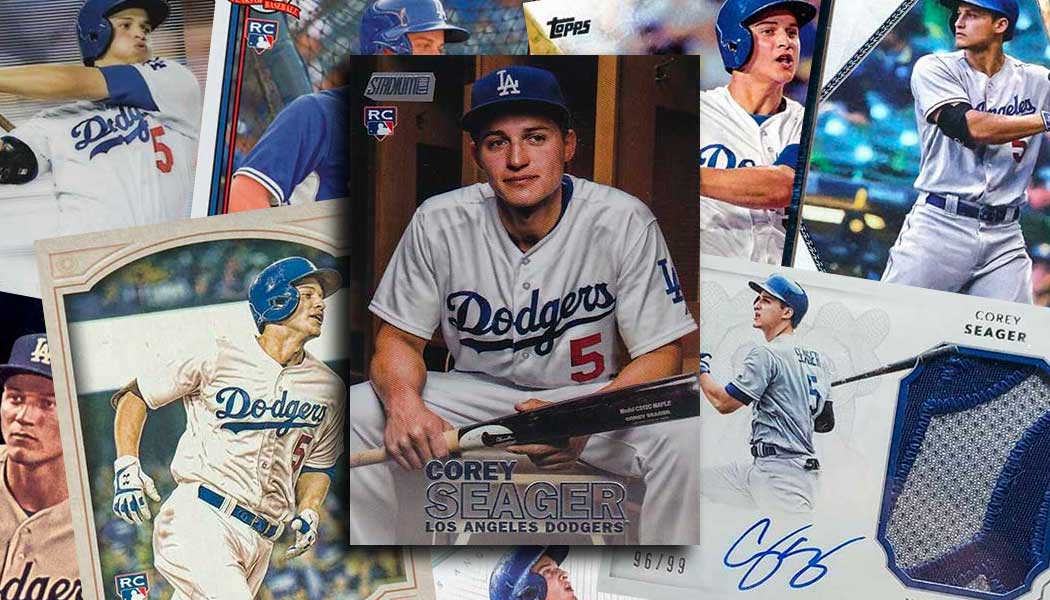
The hunt for the perfect grade is a thrilling challenge. Finding a Seager rookie in a high grade is like discovering a hidden gem in a sea of commons. But it’s not just about the grade—it’s about the eye appeal, the centering, the sharpness of the autograph, and the overall aesthetic. A card that looks pristine under UV light, with vibrant colors and no flaws, is worth its weight in gold. In 2025, collectors are willing to pay a premium for cards that meet these exacting standards.
Of course, the grading process isn’t without its pitfalls. The market is flooded with reholdered cards, altered autographs, and other shady practices that can deceive even the most seasoned collectors. This is why it’s crucial to work with reputable sellers and grading services. A card’s provenance is just as important as its grade, and in a market where fakes and forgeries lurk in the shadows, authenticity is non-negotiable.
The Market Pulse: Trends and Predictions for Seager’s Rookie Card
The baseball card market is a living, breathing entity, constantly evolving and adapting to new trends. In 2025, Seager’s rookie card is caught in a tug-of-war between nostalgia and pragmatism. On one hand, the market for vintage and modern rookie cards is as hot as ever, with collectors clamoring for the next big thing. On the other hand, the sheer volume of cards flooding the market—especially reprints and parallels—has made it harder for any single card to stand out.
So, where does Seager’s rookie card fit into this equation? The answer lies in its uniqueness. Unlike some of his peers, Seager’s rookie card isn’t just a one-hit wonder. It’s a card that has stood the test of time, thanks to his sustained success and the cultural impact of his postseason performances. This gives it a staying power that many other rookie cards lack.
Looking ahead, the key factors to watch are Seager’s health, his performance in the coming seasons, and the broader trends in the baseball card market. If Seager remains a perennial All-Star and continues to add to his legacy, his rookie card could see a resurgence in demand. But if the market shifts toward younger stars or if Seager’s production declines, the card’s value may plateau or even dip. As always, the market is unpredictable, and collectors must be prepared for volatility.
The Collector’s Dilemma: Investment or Passion?
At the end of the day, buying a Corey Seager rookie card in 2025 isn’t just about the potential financial return—it’s about the passion. Baseball cards are more than just pieces of cardboard; they’re a connection to the game, to the players, and to the history of the sport. For many collectors, the joy of owning a Seager rookie card far outweighs the financial considerations.
That said, if you’re approaching the purchase as an investment, it’s essential to do your homework. Research the market, understand the grading process, and set realistic expectations. A Seager rookie card can be a fantastic addition to your collection, but it’s not a guaranteed home run. The market is full of surprises, and even the most well-researched purchases can go awry.
For those who buy with their heart, the decision is easier. A Corey Seager rookie card is a piece of baseball history, a tangible reminder of a player who delivered when it mattered most. Whether it appreciates in value or not, it’s a card that tells a story—a story of triumph, resilience, and the enduring appeal of America’s pastime.
So, is Corey Seager’s rookie card still worth buying in 2025? The answer, as with most things in life, is: it depends. If you’re a collector who values the card’s historical significance and the joy it brings, then by all means, pull the trigger. But if you’re looking for a quick flip or a sure bet, you might want to think twice. The market is a wild ride, and Seager’s rookie card is just one of many stories waiting to be written.
One thing’s for sure: in the world of baseball cards, Corey Seager’s rookie card will always have a place at the table. Whether it’s a centerpiece or a side dish depends on the collector—and the game itself.