
Baseball cards are more than just pieces of cardboard; they are portals to history, encapsulating the magic of the diamond in vivid detail. Among the pantheon of legends who have graced the sport, Don Sutton stands tall—a pitcher whose arm and wit carved his name into the annals of baseball lore. For collectors, his cards are not merely collectibles; they are artifacts of a bygone era, each one a story waiting to be told. But not all Don Sutton cards are created equal. Some are commonplace, while others are numismatic treasures hiding in plain sight. If you’re a collector with an eye for value, this guide will illuminate the hidden gems in Don Sutton’s cardboard legacy, revealing where to look, what to chase, and why certain cards command premiums that defy logic.
The Early Years: 1960s Topps Cards and Their Subtle Charms
The 1960s were a golden age for baseball cards, a time when Topps dominated the market with designs that exuded vintage charm. Don Sutton’s rookie card, issued in 1966, is a prime example. Printed during his rookie season with the Los Angeles Dodgers, this card captures the young hurler in his prime, poised on the mound with a gaze that betrays both confidence and youthful exuberance. What makes this card particularly intriguing is its relative scarcity compared to later issues. While not as rare as some high-numbered cards from the era, the 1966 Topps Don Sutton #374 is often overlooked in favor of more iconic rookies like Nolan Ryan or Reggie Jackson. Yet, its historical significance—being Sutton’s first appearance in a major set—gives it a quiet allure.
Collectors should also keep an eye out for variations within this set. The 1966 Topps series is known for its occasional printing errors, such as miscuts or color shifts, which can turn a common card into a sought-after oddity. A well-centered Sutton rookie with sharp corners and vibrant colors is a cornerstone piece for any vintage collection, but one with a unique printing quirk? That’s the kind of card that whispers to serious collectors, begging to be added to a display case.
The 1970s Boom: High-Numbered Gems and Team-Specific Rarities
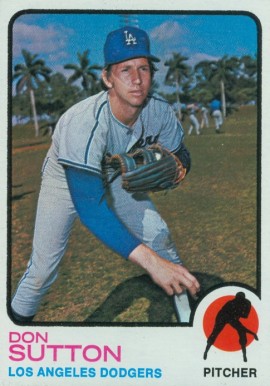
The 1970s were a decade of transformation for baseball cards, marked by bold designs, larger checklists, and a surge in collector interest. Don Sutton’s cards from this era are a treasure trove for those willing to dig deeper. Take, for instance, the 1972 Topps Don Sutton #530. Part of the high-numbered series that often gets short shrift from casual collectors, this card features Sutton in his Milwaukee Brewers uniform, a reminder of his mid-career transition from the Dodgers to a new franchise. What makes this card a hidden gem is its relative scarcity in high-grade condition. The 1972 set is notorious for its print quality issues, with many cards suffering from off-center prints or ink bleeds. A Sutton card that survives with crisp details and vibrant colors is a rarity worth pursuing.
Beyond the standard Topps issues, team-specific sets from the 1970s offer another layer of intrigue. Cards produced by regional distributors or minor league affiliates often feature unique designs or autographs that aren’t found in the national sets. A Don Sutton card from a 1970s Brewers or Dodgers team-issued set, for example, might lack the polish of a Topps card but compensates with a raw, authentic charm. These cards are the kind of under-the-radar finds that seasoned collectors prize, as they often come with provenance stories that add to their mystique.
Autographed and Insert Cards: The Premium Tier of Sutton Memorabilia
For collectors who crave more than just a player’s likeness, autographed and insert cards are the holy grail. Don Sutton’s autographed cards span multiple eras, but the most coveted are those from his playing days, particularly those signed during the 1970s and 1980s. A vintage autograph on a 1970s Topps card, for instance, is a direct link to Sutton’s prime, when he was striking out batters with effortless grace. The challenge, of course, lies in verifying authenticity. Sutton’s signature is distinctive—flowing and deliberate—but forgeries exist. Collectors should seek out cards with certificates of authenticity or those graded by reputable third-party services like PSA or BGS to ensure legitimacy.
Insert cards, especially those from premium sets like Donruss or Fleer in the 1980s, add another dimension to Sutton’s cardboard legacy. The 1981 Donruss Don Sutton #44 is a standout example, featuring a bold, action-packed design that highlights his pitching motion. Insert sets from this era often included subsets like “Rookie Stars” or “All-Stars,” and Sutton’s inclusion in these subsets elevates his cards beyond the standard checklist. The key to maximizing value here is to focus on cards that are both visually striking and in high-grade condition, as the market for mid-grade insert cards is often oversaturated.
Graded Cards: The Science of Condition and Its Impact on Value
In the world of baseball card collecting, condition is king. A Don Sutton card that might fetch $20 in poor condition can command hundreds—or even thousands—in gem mint. This is where grading services like PSA, BGS, and SGC come into play. A PSA 10 Sutton rookie, for example, is a unicorn in the collecting world, with only a handful of examples known to exist in perfect condition. But even sub-10 grades can hold significant value if the card’s eye appeal is exceptional. The difference between a PSA 7 and a PSA 8 might seem minor to the untrained eye, but to a collector, it’s the difference between a solid investment and a potential goldmine.
Grading also plays a crucial role in autographed cards. A Sutton autograph on a base card might be worth $50 in ungraded condition, but the same signature encapsulated in a PSA 9 holder could fetch $300 or more. The encapsulation process not only preserves the card but also provides a layer of protection against wear and tear, ensuring that the autograph remains crisp and legible for decades to come. For collectors looking to build a high-end Sutton collection, prioritizing graded cards is a non-negotiable strategy.

Modern Era Cards: The Rise of Parallels and Relics
The modern era of baseball cards, defined by parallels, relics, and limited-edition inserts, has opened new avenues for Don Sutton collectors. Parallels, which feature the same design as the base card but with unique color schemes or numbering, have become a staple of contemporary sets. A Sutton parallel from a modern Topps flagship set, such as a refractor or a serial-numbered card, can hold surprising value if it’s a low-numbered variant. For example, a 1/1 Sutton relic card from a recent Topps Chrome set, featuring a piece of game-used memorabilia, is a modern marvel that bridges the gap between vintage nostalgia and contemporary collecting trends.
Relic cards, which incorporate game-used patches or bat pieces, are another hot commodity. A Sutton relic card from a 1980s throwback set, for instance, might feature a swatch from his Hall of Fame induction jersey or a piece of a bat he used during his 23-year career. These cards are not just collectibles; they are tangible connections to Sutton’s legacy. The key to maximizing value in the modern era is to focus on serial-numbered parallels and low-population relics, as these cards are inherently scarce and highly desirable among advanced collectors.
Regional and Minor League Cards: The Underrated Underdogs
While national sets like Topps and Donruss dominate the conversation, regional and minor league cards offer a unique glimpse into Sutton’s early career and lesser-known stops. Cards produced by local distributors or minor league affiliates often feature quirky designs or regional pride that can’t be found in mainstream sets. A Don Sutton card from his time with the Albuquerque Dukes, for example, might lack the polish of a Topps issue but compensates with a raw, grassroots charm. These cards are the kind of under-the-radar finds that seasoned collectors covet, as they often come with stories that add depth to a collection.
Minor league cards from the 1960s, when Sutton was climbing the Dodgers’ farm system, are particularly scarce. Many of these cards were produced in limited quantities, making them highly sought after by specialists. A Sutton minor league card in high grade is a true gem, offering a connection to the early days of his career before he became a household name. For collectors looking to build a comprehensive Sutton collection, these regional and minor league issues are essential pieces of the puzzle.
Investment Strategies: Building a Sutton Collection That Stands the Test of Time
Building a Don Sutton collection that appreciates in value requires more than just luck; it demands strategy, patience, and a keen eye for detail. Start with the fundamentals: prioritize high-grade vintage cards, particularly those from Sutton’s rookie year and early career. These cards form the backbone of any serious collection and are the most likely to appreciate over time. Next, diversify your holdings by including autographed cards, insert sets, and graded examples. Each category offers a different angle on Sutton’s legacy, from his playing days to his post-retirement memorabilia.
For modern collectors, focus on parallels, relics, and limited-edition inserts. These cards are the currency of today’s market, and their scarcity ensures that they will remain desirable for years to come. Don’t overlook regional and minor league issues either; while they may not command the same prices as national sets, their historical significance makes them invaluable to dedicated collectors. Finally, always keep an eye on the market. Prices for Sutton cards fluctuate based on trends, so staying informed about auctions, sales, and grading reports is crucial to making smart purchases.
The world of Don Sutton baseball cards is a labyrinth of history, nostalgia, and numismatic intrigue. From his rookie card to his autographed relics, each piece tells a story—a snapshot of a career that spanned more than two decades and left an indelible mark on the game. For collectors, these cards are more than just investments; they are tributes to a pitcher whose arm and wit defined an era. Whether you’re a seasoned veteran or a newcomer to the hobby, the hidden gems in Sutton’s cardboard legacy are waiting to be discovered. So, dust off those binders, sharpen your grading eye, and prepare to chase a legend—one card at a time.









