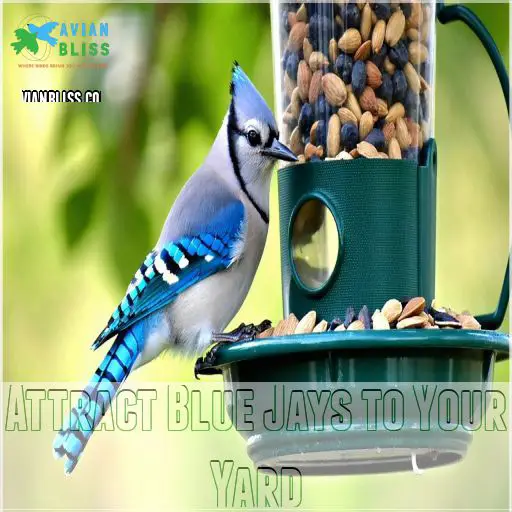
There’s a certain alchemy to transforming your backyard into a sanctuary for blue jays—a flash of azure against the emerald backdrop, a symphony of rasping calls echoing through the trees. These birds are more than just winged jewels; they are the garden’s most theatrical performers, their crests bobbing with aristocratic flair as they strut across the lawn like miniature peacocks. To lure them is to invite a burst of color, sound, and personality into your outdoor space, turning it into a living canvas where nature’s drama unfolds daily. But how does one court these bold, intelligent creatures? The answer lies not in grand gestures, but in the quiet art of understanding their whims and offering what they crave most.
The Allure of the Azure Aristocrat: Why Blue Jays Command Attention
Blue jays are the extroverts of the avian world—loud, bold, and unapologetically opinionated. Their vibrant cerulean plumage isn’t just for show; it’s a sartorial declaration of confidence, a feathered fashion statement that turns heads even among the most stoic of garden visitors. But their appeal runs deeper than aesthetics. These birds are master mimics, capable of replicating the calls of hawks with eerie precision, a trick that both startles predators and fascinates onlookers. To attract them is to invite a living paradox: a creature both predator and performer, a thief of seeds and a guardian of the garden’s secrets.
What truly sets blue jays apart, however, is their intelligence. They solve puzzles, remember feeding locations with uncanny accuracy, and even hold grudges against those who wrong them. To earn their trust is to engage in a subtle dance of reciprocity—one where patience and consistency are rewarded with their dazzling presence.
Feast Like Royalty: Crafting a Blue Jay Buffet
If blue jays were monarchs, their kingdom would be a smorgasbord of nuts, seeds, and the occasional insect delicacy. To lure them, your yard must become a five-star restaurant, where the menu is tailored to their exacting tastes. Start with whole peanuts in the shell—unsalted, unroasted, and preferably still in their papery husks. The challenge of cracking open these treasures is irresistible to their dextrous beaks. Sunflower seeds, both in and out of the hull, are another favorite, as are cracked corn and suet cakes, which provide the fat reserves they need to brave colder months.
But don’t just scatter food randomly. Blue jays are creatures of habit; they prefer to dine in the open, where they can keep an eye out for predators. Place feeders in clearings or on sturdy branches, away from dense foliage where ambushes could occur. A ground-feeding tray can also entice them, especially if you scatter a mix of peanuts and sunflower seeds across its surface. And remember: blue jays are thieves by nature. If squirrels or other birds dominate the feeders, consider installing baffles or switching to weight-sensitive designs that grant access only to the heaviest visitors.
The Theater of the Trees: Designing a Blue Jay-Friendly Landscape
A blue jay’s ideal habitat is a blend of open space and vertical grandeur—a place where they can perch like sentinels, surveying their domain before swooping down to investigate a newfound treasure. To replicate this, incorporate a mix of mature trees and open lawns into your yard. Oaks, hickories, and beeches are particularly appealing, as their acorns and nuts are a natural food source. If your property lacks these, consider planting them; blue jays are patient creatures, and they’ll reward your foresight in time.
Don’t overlook the importance of water. A shallow birdbath or a small pond with a gently sloping edge will attract not just blue jays but a parade of other winged visitors. Watch as they bathe with theatrical flair, fluffing their feathers and sending droplets flying in a glittering cascade. The sound of dripping water is like a dinner bell to these birds, drawing them in for a drink and a splash before they return to their foraging.
And then there’s the matter of shelter. Blue jays may be bold, but they’re not reckless. Dense shrubs, evergreen hedges, and thickets provide safe havens where they can retreat if danger looms. A well-placed brush pile can also serve as a staging area, where they can pause to assess their surroundings before making their next move.
The Art of the Seduction: Patience and Persistence
Attracting blue jays isn’t a sprint; it’s a slow, deliberate waltz. These birds are wary of new things, and it may take weeks—or even months—for them to trust your feeders and garden. Start by placing food in visible locations, then gradually move it closer to where you’d like the feeders to be. This gradual approach eases their suspicions and conditions them to associate your yard with safety and abundance.
Consistency is key. Feed them at the same time each day, and they’ll begin to anticipate your offerings like clockwork. Over time, their wariness will fade, replaced by a familiar routine. You might even find them waiting for you, perched on a fence post or a low branch, as if to say, “Well? Where’s breakfast?”
And don’t underestimate the power of noise. Blue jays are social creatures, and their calls are an open invitation to others. If you mimic their rasping “jay! jay!” call—softly, of course—they may respond in kind, drawing in curious companions. Just be prepared for a chorus of replies; these birds are nothing if not gregarious.
Beyond the Feeder: Creating a Blue Jay Dynasty
Once you’ve won their trust, blue jays will become regulars, but their presence can do more than just brighten your days. These birds are seed dispersers par excellence, carrying acorns and nuts far from their source to cache for later. In doing so, they help propagate new trees, shaping the landscape in ways that benefit generations of wildlife to come. By fostering a blue jay-friendly yard, you’re not just indulging in a personal pleasure—you’re contributing to the health of the ecosystem.
And then there’s the sheer joy of observation. Blue jays are endlessly entertaining, whether they’re engaged in aerial acrobatics, squabbling over a prized peanut, or simply preening on a sunlit branch. They’re the garden’s most charismatic residents, and their antics will keep you entertained for hours.
So set out the peanuts. Fill the birdbath. Plant the trees. And then wait. The blue jays will come—not as supplicants, but as guests in a kingdom they’ve chosen to grace with their presence. And once they arrive, your yard will never be the same.