In the pantheon of baseball collectibles, few names resonate as profoundly as George Brett’s. The Kansas City Royals legend, a first-ballot Hall of Famer and one of the most electrifying hitters of his era, has left an indelible mark not just on the diamond but in the hearts of fans and the minds of investors. His baseball cards, particularly those produced during the late 1970s through the 1990s, have evolved from nostalgic mementos into high-value assets, sought after by collectors and speculators alike. Whether you’re a lifelong Royals fan, a vintage card enthusiast, or a savvy investor eyeing the sports memorabilia market, understanding the value of George Brett baseball cards is akin to unlocking a treasure trove of baseball history—and potentially, financial opportunity.
What makes Brett’s cards so compelling isn’t just their connection to a Hall of Fame career, but their role in capturing the essence of an era when baseball cards were more than just cardboard and ink—they were cultural artifacts. From the sun-drenched summers of the 1980s to the modern reprints of today, each card tells a story. Some are pristine relics of a bygone collecting frenzy, while others are scarce gems that slipped through the cracks of mass production. The value of a George Brett baseball card isn’t merely a number; it’s a reflection of rarity, condition, demand, and the emotional pull of one of the game’s most beloved figures. Let’s explore the multifaceted world of Brett’s baseball cards, from the hallmarks of their value to the nuances that separate a common card from a blue-chip investment.
The Hallmarks of Value: Rarity, Condition, and Demand
At the core of any baseball card’s value lies a triad of factors: rarity, condition, and demand. George Brett’s cards are no exception. The most coveted among them are those produced during the early stages of his career, particularly his rookie cards and limited-edition releases. The 1974 Topps #250, Brett’s rookie card, is the crown jewel of his collectible portfolio. Printed in relatively modest quantities compared to modern standards, this card is a relic of an era when Topps dominated the market with a near-monopoly. Its scarcity, combined with Brett’s meteoric rise to stardom, has cemented its status as a blue-chip asset. A high-grade version of this card can fetch tens of thousands of dollars at auction, a testament to its enduring allure.
Condition is the great equalizer in the world of baseball cards. A card’s grade, determined by professional graders like PSA or BGS, can mean the difference between a modest collectible and a museum-piece investment. Brett’s cards, especially those from the 1970s and 1980s, are notorious for their susceptibility to wear, creases, and off-center printing. A card that has survived decades in near-mint or gem mint condition is a rarity, and its value reflects that. For instance, a PSA 10-rated 1974 Topps Brett rookie card has sold for over $50,000, while a lower-grade version might struggle to break the $1,000 mark. The difference isn’t just in the numbers—it’s in the story the card tells. A flawless card is a time capsule, preserving the vibrancy of Brett’s rookie season in a way that even the highest-resolution photograph cannot.
Demand, the third pillar of value, is where Brett’s cards truly shine. Unlike some Hall of Famers whose popularity waxes and wanes with the tides of nostalgia, Brett’s legacy remains steadfast. He is a figure of unwavering respect, not just for his on-field heroics—including his legendary 1980 .390 batting average—but for his sportsmanship and longevity. This enduring appeal ensures that his cards are consistently sought after, whether by Royals fans, vintage collectors, or investors looking to diversify their portfolios. The demand for Brett’s cards is further fueled by the broader resurgence of baseball card collecting, a hobby that has transformed from a childhood pastime into a sophisticated market where rare cards are treated as fine art.

Varieties and Variations: The Devil in the Details
Not all George Brett baseball cards are created equal. The collecting world is rife with variations, errors, and parallel prints that can dramatically alter a card’s value. One of the most intriguing examples is the 1983 Donruss #35 Brett card, which features a distinctive black border. This variation, often referred to as the “Black Border” card, is significantly rarer than its standard counterpart and commands a premium in the market. A high-grade version of this card can sell for several thousand dollars, while the regular edition might fetch a fraction of that. The allure of variations lies in their ability to add a layer of complexity to the collecting experience, turning what might seem like a simple transaction into a treasure hunt.
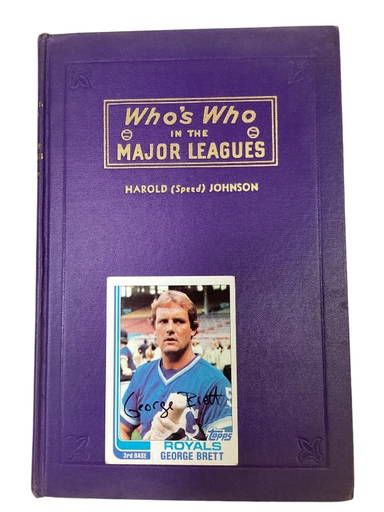
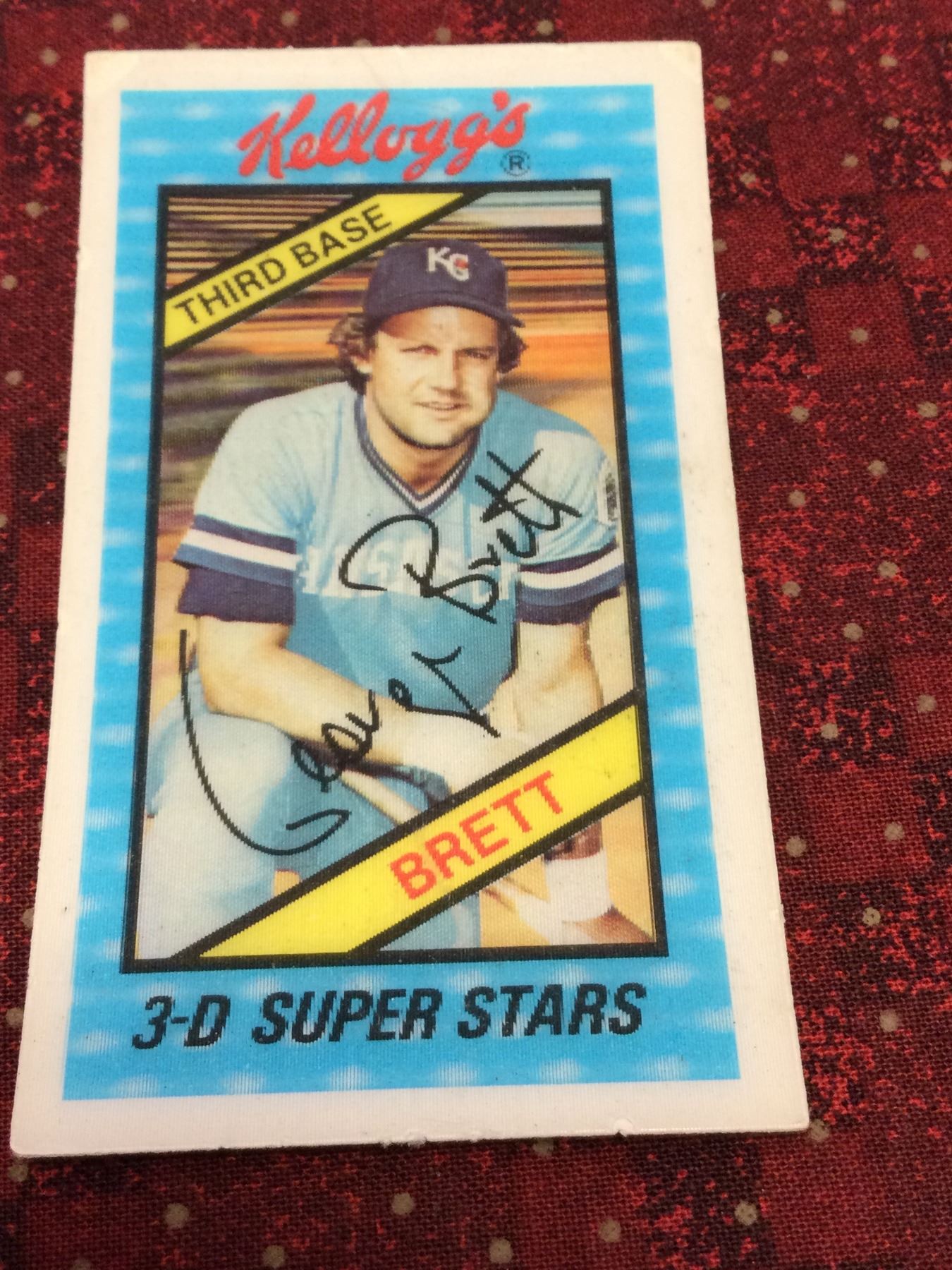
Another fascinating subset of Brett’s cards are the autographed versions. While autographs add a personal touch, their value is highly dependent on authenticity and the method of signing. Cards autographed in-person during Brett’s playing days are exceedingly rare and highly sought after, often fetching premium prices at auction. However, the market is also flooded with reprint autographs and professionally authenticated signatures, which can vary widely in value. For collectors, the provenance of an autograph is paramount. A card signed by Brett during a game-day ceremony, accompanied by a certificate of authenticity, is a far cry from a mass-produced reprint. The former is a piece of living history; the latter is a manufactured collectible.
Parallel cards and limited-edition releases also play a significant role in the Brett collecting landscape. Sets like the 1991 Upper Deck #450, which features a hologram, or the 1993 SP #275, a short-print card, are prized for their scarcity. These cards were produced in smaller quantities than standard issues, making them harder to find in top condition. The thrill of tracking down a parallel card is akin to solving a puzzle, and the satisfaction of adding a rare piece to a collection is unparalleled. For investors, these cards represent an opportunity to capitalize on the growing trend of chasing parallels, a segment of the market that has seen substantial appreciation in recent years.
Investment Potential: From Hobby to Asset Class
The transformation of baseball cards from childhood keepsakes to investment-grade assets has been nothing short of revolutionary. George Brett’s cards, in particular, have emerged as a cornerstone of this new paradigm. The market for vintage sports cards has exploded in recent years, with auction houses like Heritage and SCP regularly achieving record-breaking sales. Brett’s cards have been no exception, with prices steadily climbing as new generations of collectors and investors enter the fray. The 1974 Topps rookie card, once a humble piece of cardboard, now trades hands for tens of thousands of dollars—a staggering appreciation that underscores the cards’ investment potential.
For those looking to build a portfolio of Brett’s cards, diversification is key. While the rookie card is the undisputed king, there are opportunities to invest in other high-grade cards from his prime years, such as the 1978 Topps #425 or the 1985 Fleer #515. These cards offer a more accessible entry point into the market while still providing strong long-term potential. Additionally, modern reprints and autographed cards can serve as a bridge between nostalgia and investment, offering a way to participate in the market without breaking the bank. However, it’s crucial to approach modern issues with caution, as their value is often tied to the player’s current relevance rather than historical significance.
The investment case for George Brett baseball cards is further bolstered by the broader trends shaping the collectibles market. The rise of online marketplaces like eBay and Heritage Auctions has democratized access to rare cards, allowing collectors from around the world to participate in the market. Meanwhile, the growing interest in sports memorabilia as an alternative asset class has attracted institutional investors, driving up demand and prices. Brett’s cards, with their strong historical pedigree and enduring popularity, are well-positioned to benefit from these trends. For investors, the key is to focus on quality, rarity, and condition, while avoiding the pitfalls of overhyped modern issues or poorly graded cards.
Preservation and Authentication: Protecting Your Investment
Owning a George Brett baseball card is only half the battle—the other half is ensuring its longevity and authenticity. Proper preservation is essential to maintaining a card’s condition and, by extension, its value. For vintage cards, the use of protective holders, such as PSA or BGS slabs, is non-negotiable. These holders not only shield the card from environmental damage but also provide a tamper-proof seal that certifies its grade. For ungraded cards, investing in high-quality storage solutions, such as rigid card sleeves and top-loaders, is critical. Exposure to moisture, sunlight, or even the oils from human hands can degrade a card’s condition over time, turning a potential fortune into a worthless piece of paper.
Authentication is another critical aspect of collecting Brett’s cards. The market is rife with counterfeits, reprints, and altered cards, making it essential to verify the legitimacy of any high-value piece. Professional grading services like PSA, BGS, and SGC are the gold standard for authentication, offering a level of assurance that private sellers or unverified marketplaces cannot. For autographed cards, third-party authentication services like PSA/DNA or JSA provide an additional layer of security, ensuring that the signature is genuine and not a clever forgery. The cost of authentication may seem steep, but it pales in comparison to the financial and emotional toll of discovering a counterfeit in your collection.
For collectors who prefer to keep their cards in raw, ungraded condition, meticulous record-keeping is a must. Photographing each card, noting its condition, and maintaining a detailed inventory can help track its provenance and condition over time. This is particularly important for cards that may appreciate significantly, as future buyers will want to see a clear history of ownership and care. In the world of baseball card collecting, provenance is power—and a well-documented card is a card that commands respect in the market.
The Future of George Brett Baseball Cards: Trends and Predictions
The market for George Brett baseball cards shows no signs of slowing down. As the collecting community continues to grow, driven by a mix of nostalgia, investment interest, and the allure of rare artifacts, Brett’s cards are poised to remain a cornerstone of the hobby. One emerging trend is the increasing focus on condition-sensitive collecting, where buyers prioritize top-grade cards over lower-tier examples. This shift reflects a broader maturation of the market, where collectors and investors alike recognize that a card’s grade is as important as its rarity. For Brett’s rookie card, this means that PSA 10 copies will continue to appreciate at a faster rate than lower-grade versions, further widening the gap between investment-grade cards and common specimens.
Another trend to watch is the rise of digital collectibles and blockchain technology. While traditionalists may scoff at the idea of a digital baseball card, the integration of NFTs (non-fungible tokens) into the sports memorabilia market is undeniable. Some companies are exploring the creation of digital twins for physical cards, allowing collectors to own both the physical and digital versions of a Brett card. While this may seem like a gimmick to purists, it opens up new avenues for engagement and investment, particularly among younger collectors who are more accustomed to digital assets. Whether these digital cards will hold long-term value remains to be seen, but their emergence underscores the evolving nature of the collectibles market.
Long-term, the value of George Brett baseball cards will likely be influenced by broader cultural shifts. As the Royals franchise continues to build on its legacy, and as Brett’s on-field achievements remain etched in baseball history, his cards will benefit from sustained demand. Additionally, the growing interest in vintage sports memorabilia as a hedge against economic uncertainty could drive further appreciation. For investors, the key is to stay informed, focus on quality, and avoid the temptation of chasing short-term trends. Brett’s cards are not just investments; they are pieces of baseball history, and their value transcends mere dollars and cents.
George Brett’s baseball cards are more than just collectibles—they are portals to a bygone era of baseball, a time when heroes were made on dusty diamonds and cards were the currency of fandom. Whether you’re drawn to the iconic 1974 Topps rookie card, the elusive black-border Donruss issue, or a signed gem from his prime, each Brett card carries with it a piece of history. For collectors, the thrill lies in the hunt, the discovery, and the connection to a legend. For investors, the appeal is in the potential for substantial returns, driven by the card’s rarity, condition, and enduring demand. As the market for baseball cards continues to evolve, one thing is certain: George Brett’s legacy, both on and off the field, will ensure that his cards remain a cornerstone of the collecting world for generations to come.