In the intricate ballet of baseball pitching, the moment the ball leaves the pitcher’s hand is far from the final act. The follow through—an often overlooked phase—serves as the crescendo of kinetic energy, the silent negotiator between force and control. Like a masterful conductor directing a symphony to its finale, the follow through orchestrates the delicate transition from explosive power to measured deceleration. Its significance transcends mere aesthetics; it safeguards the pitcher’s arm integrity, refines accuracy, and optimizes performance. The art of pitching lies not just in the throw, but deeply in how one finishes the motion.
The Physics Behind the Follow Through: Deceleration as a Controlled Release
Pitching is more than a ballistic launch; it is a measured transfer of energy that demands both acceleration and deceleration phases. Consider the arm as a finely tuned catapult. When the arm surges forward to propel the baseball, it stores and transfers enormous kinetic energy. This energy doesn’t vanish the instant the ball separates from the hand; instead, it must be meticulously dissipated to prevent mechanical failure. The follow through embodies this deceleration, allowing the muscles, tendons, and ligaments to gradually absorb the residual forces. Without a controlled follow through, the abrupt halt can be likened to a train crashing into a wall—resulting in wear, strain, and injury.
The biomechanical aspect underscores a vital revelation: deceleration after the pitch is an active process, powered by eccentric muscle contractions. Rather than simply stopping, the pitcher’s body engages a symphony of muscle groups to brake the arm’s momentum. This natural braking system is critical in managing the tremendous angular velocities of the shoulder and elbow joints—frequently exceeding 7,000 degrees per second. The follow through thus acts as a vital counterbalance, ensuring the continuity between explosive motion and bodily preservation.
Injury Prevention: A Fence Between Longevity and Career-Threatening Damage
Injuries to the shoulder and elbow are often the unwelcome guests haunting baseball diamonds. Conditions like ulnar collateral ligament (UCL) tears and rotator cuff tendinopathy are notoriously linked to improper mechanics and overuse. The follow through’s role is a pivotal line of defense in this ongoing battle. As the arm decelerates smoothly, the stress placed on joint capsules, ligaments, and muscles dissipates more evenly, lowering the risk of microtears and inflammation.
Neglecting this essential phase fosters a biomechanical overload akin to a rubber band snapping from excessive tension. When pitchers cut their motion short or fail to decelerate properly—often in a rush to regain their stance—the resulting torque and shear forces intensify. Over time, this accelerates the degenerative process. Thus, mastering a disciplined follow through is not merely a technical refinement but a safeguard that can prolong a pitcher’s professional lifespan. It is the difference between a flourishing career and premature exit due to preventable injury.
Precision and Control: How Follow Through Shapes Pitch Accuracy
While velocity garners the spotlight, precision wields the ultimate power. A pitcher’s follow through acts like the last pencil stroke in a detailed drawing—it defines the quality and intent with which the pitch lands. This phase ensures that the kinetic chain remains intact from foot plant through release, preserving alignment and balance throughout the body. Any deviation during follow through introduces subtle variations that ripple backwards, affecting grip release and arm slot, ultimately compromising accuracy.
Furthermore, a smooth, well-executed deceleration phase cultivates consistency, the holy grail in pitching. It allows the brain to anchor the entire delivery pattern into a motor program, refining proprioceptive feedback. This neuro-muscular harmony means that pitchers can repeat mechanics pitch after pitch with diminished variability, turning uncertainty into reliable execution. In high-stakes games where inches define victory, the follow through emerges as a precision architect, quietly calibrating the pitcher’s arsenal.
Psychological Impact: The Ritual of Completion
Baseball is as much mental artistry as physical endeavor. The follow through functions as a ritualistic closure, psychologically reinforcing the pitcher’s commitment and confidence with every throw. It serves as a tangible endpoint, carving a moment of mindfulness as the pitcher transitions from offensive execution to defensive readiness.
Psychologically, the follow through can be likened to a bow after a grand performance—an acknowledgment of effort and control. Neglecting this phase not only risks physical repercussions but erodes a pitcher’s internal rhythm and focus. A refined follow through manifests self-assuredness and poise, attributes paramount in the crucible of competition. It fosters a mental calm, smoothing the highs and lows of the game’s turbulent nature.
Training the Follow Through: Drills and Practices for Mastery
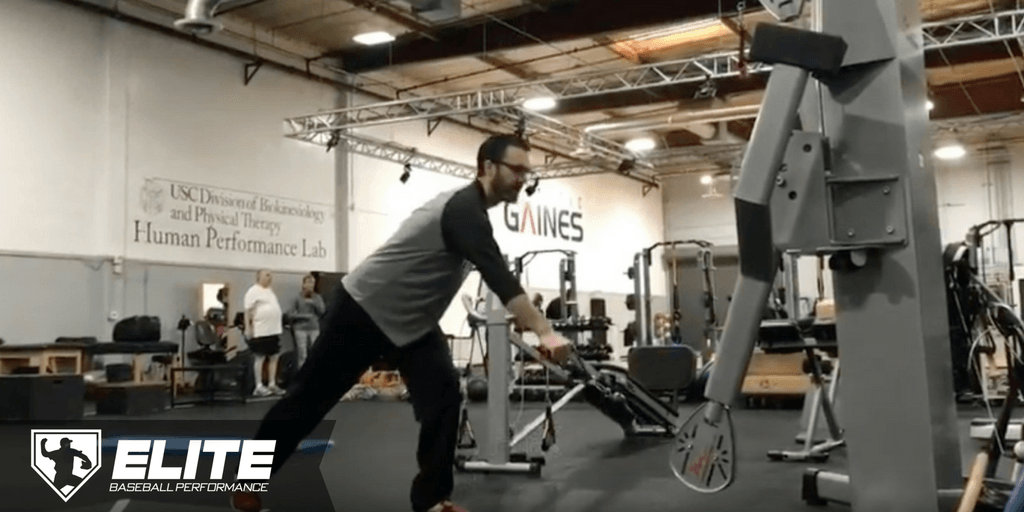
Integrating the follow through into training regimens requires deliberate practice and attention to detail. Coaches and athletes view follow through drills not as mere add-ons but as essential components of pitching development. Techniques focusing on deceleration muscles—such as eccentric strengthening exercises for the rotator cuff and scapular stabilizers—play a fundamental role.
Drills like towel drills, where pitchers simulate throwing while emphasizing an exaggerated follow through, cultivate muscle memory. Additionally, breaking down video analysis of pitching mechanics allows the identification and correction of shortcuts or incomplete deceleration. The holistic approach ensures athletes internalize the importance of follow through not as an optional flourish but a biomechanical necessity.
The Unique Appeal of the Follow Through: Artistry and Athleticism Intertwined
In the theater of baseball, the follow through embodies grace within strength, precision within power. It is the quiet coda that transforms a mere throw into a statement of craftsmanship. Watching elite pitchers conclude their delivery with fluidity and control is akin to observing a dancer descend from a leap—balance restored, energy respectfully quelled.
This phase embodies the harmonious marriage between physics and artistry, where every muscle and tendon contributes to a carefully choreographed motion. Its unique appeal lies in its dual role—both protector and enhancer—ensuring that the athlete can continue to perform at peak levels while crafting pitches with surgical finesse. The follow through is the unsung hero of pitching, silently weaving the threads of health, precision, and psychological fortitude into the fabric of success.
Ultimately, understanding and embracing the importance of the follow through anchors the future of pitching excellence. It is not simply how fast or hard a ball is thrown, but how elegantly a pitcher finishes the journey that defines the legacy.