Have you ever stumbled upon a baseball card that feels like a hidden treasure, tucked away in the bargain bin or lurking in an online auction, only to realize its value is far greater than anyone expected? That’s the thrill of collecting—when the overlooked becomes the coveted. Enter Todd Zeile, a name that might not immediately set collectors’ hearts aflutter like a Mike Trout or a Derek Jeter, but whose rookie card is quietly becoming one of the most intriguing sleeper picks in the hobby. If you’re not already scouring eBay for his 1990 Donruss issue, you might want to start. The question isn’t whether Zeile’s card is worth your attention, but whether you’re ready for the challenge of finding one in gem mint condition before the rest of the market wakes up.
The Forgotten Hero: Who Was Todd Zeile?
Before we dive into the cardboard itself, let’s talk about the man behind the card. Todd Zeile wasn’t just another slugger who flashed a brief moment of stardom before fading into obscurity. No, he was a steady presence in the majors for nearly two decades, a testament to longevity and consistency. Drafted by the St. Louis Cardinals in 1989, Zeile debuted the following year and quickly established himself as a power-hitting third baseman with a knack for clutch performances. Over his career, he donned jerseys for a dozen teams, including the Mets, Cubs, and Yankees, amassing over 2,500 hits and 300 home runs. Yet, for all his accomplishments, Zeile never quite reached the mythic status of his contemporaries. That’s what makes his rookie card so fascinating—it’s the card of a player who was good enough to stick around but not quite legendary enough to command top dollar. Until now.
The 1990 Donruss Rookie: A Diamond in the Rough?
The 1990 Donruss Todd Zeile rookie card is a classic example of a card that flew under the radar for decades. Printed during the golden age of baseball card sets, it features Zeile in his Cardinals uniform, mid-swing, with that classic 90s Donruss border and team logo emblazoned across the bottom. The design is simple, almost unassuming, but that’s part of its charm. It’s not flashy like the Fleer or Topps issues of the era; it’s the kind of card that blends into the background until, suddenly, it doesn’t.
So, why is this card gaining traction now? The answer lies in a perfect storm of factors: nostalgia, scarcity, and the slow but steady rise of Zeile’s legacy. Collectors are increasingly drawn to players who represent the “everyman” of baseball—those who toiled in relative obscurity but left an indelible mark. Zeile fits that mold, and his rookie card is the perfect vehicle for rediscovering his career. Plus, with the modern resurgence of vintage cards, even the most overlooked issues are getting a second look. The 1990 Donruss Zeile rookie is no exception.
Grading the Gem: What Makes a Zeile Rookie Valuable?
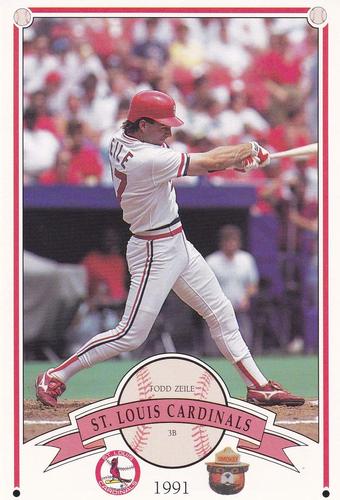
Not all Todd Zeile rookie cards are created equal. The value of this card hinges on a few critical factors, starting with its condition. A PSA 10 gem mint Zeile rookie can fetch upwards of $500 in today’s market, while a PSA 9 near-mint might still command $100 or more. But here’s the catch: finding a truly flawless example is easier said than done. The 1990 Donruss set is notorious for its print quality issues, with centering problems and surface wear plaguing many cards. Even high-grade examples often have minor flaws that keep them from achieving the elusive PSA 10.
For collectors, this presents both a challenge and an opportunity. The scarcity of pristine Zeile rookies means that when one does surface, it becomes a hot commodity. Auction houses like Heritage and eBay have seen bidding wars erupt over high-grade copies, with prices climbing steadily as more collectors catch on. The key to capitalizing on this trend? Patience and vigilance. Set up alerts for new listings, and don’t be afraid to pull the trigger on a card that meets your grading standards—before someone else does.
The Autograph Angle: Signed Zeile Cards on the Rise
While the base 1990 Donruss rookie is the star of the show, Todd Zeile’s autographed cards are also gaining traction. A signed 1990 Fleer rookie, for instance, can sell for $200 or more, depending on the autograph’s authenticity and the card’s condition. What makes these autographed cards particularly intriguing is their relative affordability compared to other big-name rookies. Zeile’s signature isn’t as sought-after as, say, Ken Griffey Jr.’s, but that’s part of the appeal. For collectors looking to build a Zeile-centric set without breaking the bank, signed cards offer a compelling alternative.
Of course, the autograph market is fraught with pitfalls. Counterfeits are rampant, and even genuine signatures can vary in quality. The best way to navigate this minefield? Stick to reputable sellers with a track record of authenticity, and consider getting any high-value autographed cards graded by PSA or BGS to ensure their legitimacy. A signed Zeile card in a high-grade holder isn’t just a piece of memorabilia—it’s an investment.

Chasing the Zeile: Where to Find the Card and What to Pay
So, you’re sold on the idea of adding a Todd Zeile rookie to your collection. Now comes the hard part: finding one. The good news is that these cards aren’t as rare as some of the hobby’s true grails, but they’re not exactly common either. Your best bet is to scour the usual haunts—eBay, Heritage Auctions, and smaller vintage dealers—while keeping an eye out for local card shops or estate sales that might have overlooked inventory.
When it comes to pricing, set your expectations based on condition. A PSA 9 Zeile rookie might run you $50 to $100, while a PSA 10 could set you back $300 to $500 or more. For signed cards, prices can range from $50 for a lower-grade example to $200 or more for a high-grade autograph. The key is to avoid overpaying for a card that doesn’t meet your standards. If you’re not sure about a card’s condition, consider getting it graded before committing to a purchase. It’s an extra step, but it could save you from a costly mistake.
The Future of the Zeile Rookie: A Sleeping Giant?
The question on every collector’s mind is simple: How high can Todd Zeile’s rookie card value go? The answer depends on a few variables. First, Zeile’s legacy is still being written. While he’s no longer an active player, his career numbers and contributions to the game are slowly being reevaluated by historians and fans alike. If his reputation continues to grow, so too could the demand for his cards. Second, the vintage market shows no signs of slowing down. As younger collectors enter the hobby and seek out affordable alternatives to the big-name stars, overlooked rookies like Zeile’s become more attractive.
There’s also the wildcard factor: the potential for a Zeile rookie card to become a key part of a larger collection. Imagine a scenario where a high-profile collector decides to build a set of overlooked 1990s rookies. Todd Zeile’s card would be a natural fit, and its value could skyrocket overnight. It’s a gamble, sure, but isn’t that what collecting is all about? The thrill of the chase, the hope of the unexpected—it’s all part of the magic.
The Todd Zeile rookie card isn’t just a piece of cardboard; it’s a story waiting to be told. It’s the tale of a player who quietly carved out a niche in baseball history, only to be rediscovered by a new generation of collectors. It’s a reminder that the hobby is full of hidden gems, just waiting for someone to shine a light on them. So, the next time you’re flipping through a stack of vintage cards or scrolling through eBay, ask yourself: Are you ready to take the plunge? The Zeile rookie might just be the sleeper card you’ve been waiting for.