In the hallowed halls of baseball lore, where legends are etched in cardboard and ink, there exists a single artifact more coveted than a World Series ring or a Hall of Fame plaque. It is not merely a piece of memorabilia—it is a time capsule, a frozen moment where the crack of a bat echoes through decades, where the sweat of a rookie’s brow still glistens under stadium lights long extinguished. The best baseball card ever isn’t just a collectible; it’s a portal to another era, a tangible whisper from the past that commands prices that make even the wealthiest fans pause. But what makes one card rise above the rest? Is it the player’s immortalized greatness, the scarcity of its printing, or the alchemy of history and nostalgia that turns paper and ink into gold? Let’s step into the batter’s box and swing for the fences.
The allure of a baseball card is not unlike the thrill of a walk-off home run in the bottom of the ninth—it’s the culmination of skill, timing, and a dash of serendipity. At the heart of this obsession lies the 1909-11 T206 Honus Wagner, a card so rare that its very existence feels like a baseball ghost story. Printed during the golden age of tobacco cards, this piece of cardboard is the Mona Lisa of sports collectibles: enigmatic, elusive, and worth more than most houses. Only about 60 are believed to exist, and its origins remain shrouded in mystery. Some say Wagner himself demanded it be pulled from production due to his disdain for tobacco advertising. Others whisper of a printing mishap or a contractual dispute. Whatever the case, the T206 Honus Wagner is the North Star of card collecting—a beacon that guides dreamers and millionaires alike.

But rarity alone doesn’t crown a king. The Wagner’s legend is woven from the fabric of baseball’s early 20th century, a time when the game was raw, unfiltered, and deeply human. Wagner, the “Flying Dutchman,” was a titan of the diamond—a shortstop with hands so deft they could pluck line drives from the air and a swing so powerful it seemed to defy physics. His card captures him mid-stride, bat in hand, eyes sharp as a hawk’s, embodying the grit and grace of an era when baseball was still carving its identity. To hold a T206 Wagner is to touch the soul of the game’s infancy, when every play was a story and every player a folk hero.
Yet, the Wagner is not the only monarch in this kingdom of cardboard. The 1952 Topps Mickey Mantle #311 stands as a colossus in its own right, a card that transformed collecting from a pastime into a cultural phenomenon. When Topps unleashed its inaugural baseball card set in 1952, Mantle’s card was a sleeper—a rookie sensation waiting to explode. Unlike the Wagner, which thrived in scarcity, the Mantle #311 flourished in ubiquity before scarcity took hold. In pristine condition, it can fetch millions, a testament to Mantle’s mythic status as the “Commerce Comet.” His card is a relic of the post-war boom, when baseball became America’s pastime in full Technicolor splendor. The vibrant red and blue hues, the bold typography, the way Mantle’s gaze seems to pierce through the decades—it’s a snapshot of a golden age, when heroes were made on sandlots and immortalized on gum company cardboard.
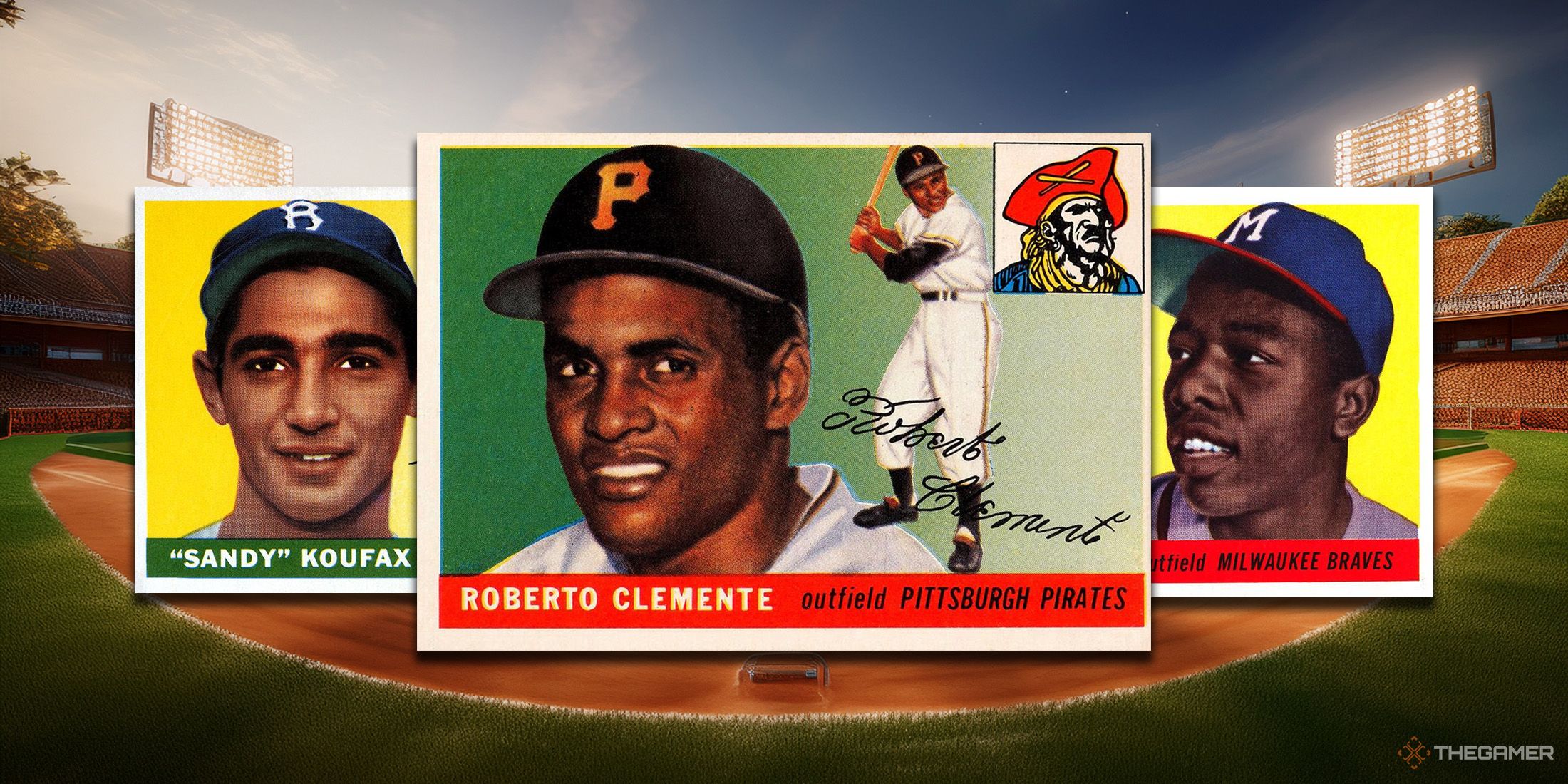
If the Mantle card is the roar of a stadium in the 1950s, then the 1933 Goudey Babe Ruth #53 is the crack of his bat echoing through Yankee Stadium. Ruth, the Sultan of Swat, was the game’s first true superstar, a man who turned home runs into a national obsession. The Goudey set of 1933 is a masterclass in design, with Ruth’s card featuring a dynamic portrait that makes him look like he’s about to launch a missile into the stratosphere. The card’s value lies not just in its association with Ruth but in its accessibility—unlike the Wagner, it wasn’t pulled from circulation, making it a holy grail for collectors who dream of owning a piece of the Bambino’s legacy without mortgaging their soul. To hold a Goudey Ruth is to feel the weight of history, to hear the roar of 60,000 fans in your mind’s ear.
But what about the modern era? Can a card from the 21st century ever ascend to such heights? The 2000 Playoff Contenders Championship Ticket LeBron James #134 proves that the magic of collectibles isn’t confined to the deadball era. Though not a baseball card in the traditional sense, LeBron’s rookie card is a cultural artifact, a bridge between sports and the global stage. Printed during the dawn of the 21st century, it captures the raw potential of a player who would redefine athleticism itself. Its value soars not just because of LeBron’s dominance but because it represents a shift—when sports cards became investments, when the internet turned collecting into a high-stakes game of its own. It’s a reminder that the best cards aren’t just about the past; they’re about the future, too.
Yet, for all the talk of value and rarity, the true appeal of a baseball card lies in its ability to tell a story. The 1914 Baltimore News Babe Ruth Rookie Card is a prime example. Printed years before Ruth became a household name, this card is a humble precursor to his later legends. It’s not flashy; it’s not pristine. But it’s authentic, a piece of cardboard that predates his transformation into the Bambino. To own one is to witness the birth of a myth, to see the first brushstrokes of a masterpiece before it’s complete.
Collecting baseball cards is like assembling a mosaic of baseball’s soul. Each card is a tessera, a small but vital piece of a larger picture. The Wagner is the keystone, the Mantle is the centerpiece, and the Ruth is the cornerstone. Together, they form a narrative that spans generations, a story of heroes and villains, triumphs and tragedies, all frozen in time. The best baseball card ever isn’t just the one with the highest price tag; it’s the one that makes your heart race when you hold it, the one that whispers secrets from a bygone era.
So, what is the best baseball card ever? The answer, like the game itself, is subjective. Is it the Wagner, with its air of mystery and unmatched scarcity? The Mantle, a symbol of baseball’s golden age? The Ruth, a relic of the game’s first true superstar? Or perhaps it’s a card that hasn’t even been printed yet, waiting in the wings for its moment to shine. One thing is certain: the best baseball card is the one that speaks to you, the one that makes you feel the crack of the bat, the roar of the crowd, the thrill of the chase. In the end, baseball cards are more than ink and cardboard—they’re the heartbeat of the game, preserved for eternity.