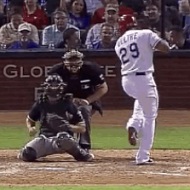
The crack of the bat, the roar of the crowd, the hush of anticipation—baseball is a symphony of sounds, each note carrying its own weight. Yet few moments in the sport’s vast sonic landscape are as universally reviled—or as dramatically definitive—as the collective groan that erupts when a batter watches a third strike sail past without so much as a twitch of the bat. It’s a sound that echoes through stadiums like a collective exhalation of defeat, a sonic fingerprint of failure etched into the air. This is the story of baseball’s most polarizing crescendo: the sound of 40,000 people groaning at a called strike three.
The Anatomy of a Groan: Why It Resonates So Deeply
At its core, the groan is a visceral reaction, a primal response to the abrupt termination of hope. When a pitch is called a strike—especially the third—it’s not just the batter who feels the sting. The crowd, too, experiences a micro-trauma, a sudden shift from the high of anticipation to the low of finality. The groan is the audible manifestation of that emotional whiplash. It’s the sound of dreams being dashed in real time, of a narrative arc collapsing under the weight of a single, fateful call. Unlike a groundout or a fly ball, where the defense takes over, a called strike three is a solo performance of failure, and the crowd’s reaction is a communal catharsis.
The Psychology Behind the Collective Wince
Why does this particular sound resonate so powerfully? Partly, it’s the element of surprise. Unlike a swing-and-miss, where the batter’s failure is self-inflicted, a called strike three feels like an injustice—a pitch that might have been high, low, or just outside the zone, but was deemed fair by an umpire’s judgment. The crowd’s groan is a protest, a silent (or not-so-silent) rebellion against the arbitrariness of the call. Psychologically, it’s a shared experience of frustration, a moment where strangers become comrades in disappointment. The groan binds them, if only for a fleeting second, in a collective act of defiance.
The Unwritten Rules of the Groan: When to Groan and When to Stay Silent
Not all strike threes are created equal. The groan’s intensity—and even its existence—depends on context. A 3-2 count, where the batter was one pitch away from a walk, elicits a more anguished response than a 0-2 count, where the outcome was already leaning toward failure. Similarly, a called strike three in a high-leverage moment—a bases-loaded situation in the bottom of the ninth—carries a heavier emotional payload than one in a blowout game. The crowd’s groan is a barometer of stakes, a sonic gauge of how much is riding on the pitch. It’s a nuanced language, one that only the most attuned fans understand.
The Role of the Umpire: The Invisible Villain of the Groan
The umpire, though often unseen in the moment, is the unseen architect of the groan. A close call—one that hangs on the edge of the zone—is more likely to provoke a reaction than a pitch that’s clearly within the black. The umpire’s judgment becomes the focal point of the crowd’s ire, a lightning rod for frustration. In an era of replay reviews and instant replays, the groan has taken on a new dimension: it’s not just a reaction to the call, but a protest against the fallibility of human judgment. The groan is the crowd’s way of saying, “We saw what you saw—and we disagree.”
The Groan as a Cultural Phenomenon: From Stadiums to Social Media
What was once confined to the echoing confines of a ballpark has now transcended the physical space of the game. The groan has become a meme, a GIF, a viral soundbite. A called strike three in a nationally televised game is instantly dissected on Twitter, analyzed on sports talk shows, and immortalized in highlight reels. The groan has become a shorthand for failure, a sonic symbol of baseball’s most heartbreaking moments. It’s a testament to the sport’s enduring ability to evoke raw emotion, to turn a single pitch into a cultural touchstone.
The Groan in the Digital Age: How Technology Amplifies the Reaction
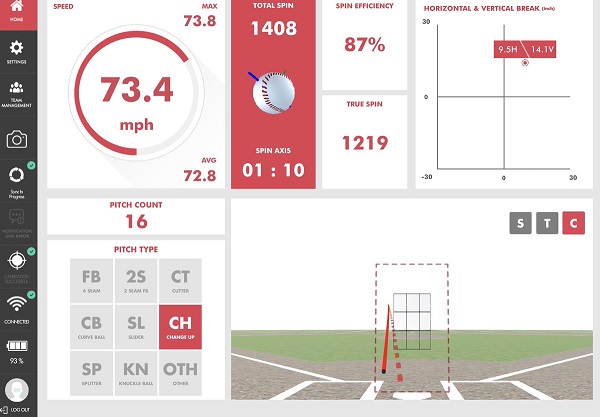
With the rise of advanced analytics and real-time data, the groan has taken on a new layer of complexity. Fans now have access to pitch-tracking technology that can quantify just how close a called strike three was to being ball four. This knowledge doesn’t soften the groan—if anything, it intensifies it. The crowd’s reaction is no longer just a gut feeling; it’s a data-driven verdict. The groan becomes a fusion of emotion and evidence, a sonic representation of the gap between perception and reality.
The Groan as a Rite of Passage for Players and Fans Alike
For players, the groan is a rite of passage—a moment of initiation into the harsh realities of the game. Every great hitter has experienced the sting of a called strike three, and every fan has felt the collective shudder of disappointment. It’s a shared experience, a universal language of baseball. The groan is a reminder that failure is not just possible—it’s inevitable. And yet, it’s also a testament to the resilience of the game, to the way fans and players alike can turn a moment of defeat into a memory that fuels future triumphs.
The Groan’s Legacy: A Sound That Defines Baseball
In the grand symphony of baseball, the groan is a dissonant note—a moment of tension that resolves only in the silence that follows. It’s a sound that defines the sport’s emotional landscape, a sonic fingerprint of its highs and lows. The groan is more than just a reaction; it’s a ritual, a tradition, a tradition that binds generations of fans. It’s the sound of baseball’s humanity—the way the game can make us feel so deeply, so viscerally, in the span of a single pitch. And in that moment, when 40,000 voices rise in unison, the groan becomes more than a sound. It becomes a story.