Every year, countless baseball aspirants flock to MLB open tryouts, harboring dreams of stepping onto the grand stage of Major League Baseball. This annual ritual captivates not only the hopeful participants but also spectators intrigued by the prospect of ordinary individuals catapulting into extraordinary careers. The allure of transforming from an unknown player into a professional athlete is deeply embedded in the cultural fabric, raising a compelling question: Can you still make it to the big leagues through open tryouts? The answer is layered, traversing the domains of talent evaluation, opportunity, and the ever-evolving landscape of professional baseball recruitment.
The Historic Role of MLB Open Tryouts
Historically, open tryouts have served as gateways for undiscovered talent—those who elude traditional scouting channels. In the nascent days of professional baseball, these events were a common conduit through which regional players could showcase raw skill before a conglomeration of coaches and talent evaluators. The transparent and meritocratic appeal of open tryouts lies in their promise that anyone, regardless of background or pedigree, could seize the opportunity if skill and fortitude aligned. Yet, as the sport has become increasingly data-driven and globalized, the efficacy and accessibility of these tryouts have undergone significant metamorphosis.
Understanding the Scouting Paradigm Shift
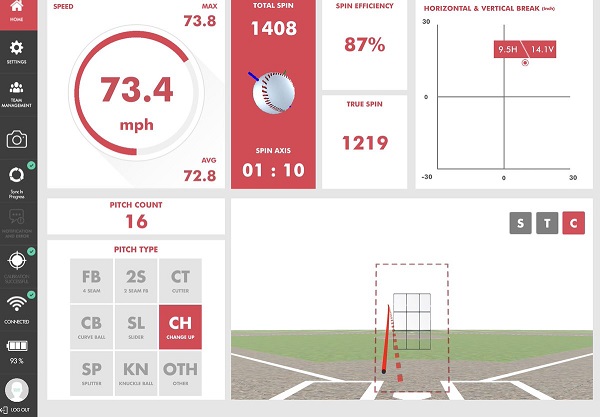
Major League Baseball’s scouting apparatus has evolved into a sophisticated enterprise where advanced analytics and biometric data complement the traditional eye test. Scouts now deploy cutting-edge technology, tracking velocities with radar guns, analyzing swing mechanics through high-speed cameras, and parsing performance statistics from youth leagues worldwide. Consequently, players attending open tryouts face a paradoxical environment: while they retain a platform to perform live, much of the initial talent filtering occurs long before they step onto the field. This paradigm shift has constricted the window for unknown players, emphasizing why success at open tryouts demands not only talent but meticulous preparation and exceptional visibility.
The Pathways Beyond Open Tryouts
Open tryouts form only one of several conduits toward professional baseball. For many athletes, the journey begins in high school or college baseball programs, where formal scouting is more prevalent. Participation in elite baseball academies, summer leagues, and showcases often provides more robust exposure than a single open tryout event. Additionally, international players may rely on signed contracts as free agents or progress through professional academies abroad. The diversification in entry points underscores that while open tryouts remain a tantalizing possibility, they are by no means the sole avenue to the major leagues.
Challenges: The Competitive and Psychological Landscape
The milieu of an open tryout presents formidable challenges. Competitiveness is fierce; hundreds may vie for a handful of invitations to minor league camps or developmental contracts. Physical skill sets can sometimes be overshadowed by intangibles such as mental resilience, coachability, and adaptability. The emotional stakes are high, with many participants balancing the hope of breakthrough against the harsh probability of rejection. These psychological dynamics often dictate who can harness nerves and channel performance under scrutiny, an essential yet underappreciated facet of succeeding beyond the tryout field.
The Underdog Narrative: Why We Remain Entranced
There is a profound societal resonance in the open tryout—a stage where the underdog momentarily eclipses the entrenched hierarchies of sport. Stories of overlooked athletes rising against insurmountable odds reinforce collective ideals of perseverance and meritocracy. This narrative fascination is not merely about making it to the big leagues; it symbolizes the universal human yearning to transcend limitation through effort and dedication. The MLB open tryout encapsulates that hope, fueling media attention and public imagination alike.
Preparing for Success: Strategies for Prospective Tryout Participants
For those earnest about capitalizing on open tryouts, preparation must be multifaceted. Physical conditioning is foundational, ensuring peak athleticism enables the demonstration of highest potential. Simultaneously, understanding the evaluators’ criteria—pitch velocity thresholds, defensive versatility, base running agility—can guide focused skill refinement. Furthermore, cultivating mental fortitude through visualization and stress management techniques can differentiate performers in high-pressure settings. In essence, aspirants must approach tryouts with the rigor of a professional, bridging the gap between hopeful participation and compelling audition.
The Future of MLB Open Tryouts in a Digital Era
As technology continues to redefine scouting and player development, the future of open tryouts may be reimagined through virtual platforms and enhanced analytics. Remote showcases, video submissions, and AI-driven performance diagnostics could complement or supplant traditional in-person tryouts, broadening accessibility while augmenting evaluative precision. These innovations hold promise to democratize opportunities further, though they also pose questions about preserving the visceral, human elements of live competition that open tryouts uniquely encapsulate.
Conclusion: A Path Still Open—but Narrowed
Open tryouts remain a symbolic and practical facet of professional baseball’s talent pipeline, though the route they offer to the major leagues has narrowed. While it is undeniably more challenging today to leap from an open tryout to the MLB roster, stories of breakthrough continue to inspire belief. The complexities of modern scouting, coupled with rigorous competition and psychological demands, make success arduous but not impossible. Ultimately, the enduring fascination with MLB open tryouts lies in their embodiment of opportunity and the timeless appeal of the underdog striving toward greatness.