For aspiring baseball players, the dream of playing at the collegiate level is often intertwined with the pursuit of financial support. Baseball scholarships can transform this ambition into reality, offering not just athletic opportunities but also academic and financial advantages. The right college program can shape a player’s future, whether they aim for the majors, a coaching career, or a career in sports management. Navigating the landscape of baseball scholarships requires insight, strategy, and an understanding of what top programs offer. This guide explores the best colleges for baseball scholarships, detailing the types of programs available, the athletic and academic benefits they provide, and the steps players can take to maximize their opportunities.
The Elite Division I Powerhouses: Where Dreams Take Flight
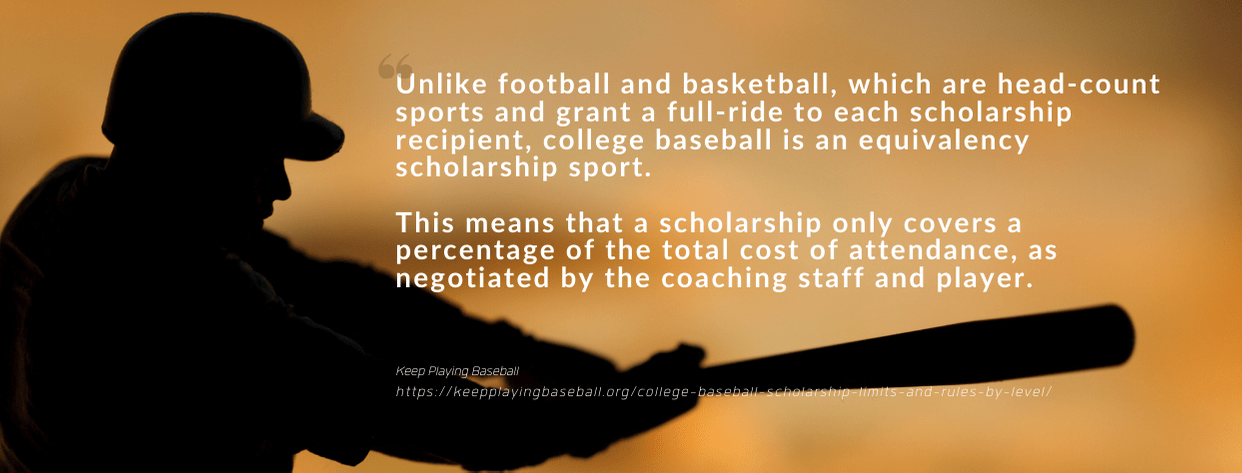
Division I programs are the pinnacle of collegiate baseball, where the most elite athletes compete at the highest level. These schools boast state-of-the-art facilities, top-tier coaching staffs, and a direct pipeline to professional scouts. Programs like those at perennial powerhouses such as Vanderbilt, Louisiana State University (LSU), and the University of Florida are renowned for their rigorous training regimens and competitive schedules. Players here often benefit from exposure to Major League Baseball (MLB) drafts, with many alumni going on to professional careers. The scholarships offered are substantial, covering tuition, room, and board, though they are typically awarded as partial scholarships due to NCAA roster limits. For those seeking a blend of athletic excellence and academic prestige, these programs are unparalleled.
Small but Mighty: Division II and III Gems
Not all baseball scholarships are found in the glaring spotlight of Division I. Division II and III programs offer unique advantages, particularly for players who prioritize academics or prefer a more intimate team environment. Schools like Rollins College in Florida and Adelphi University in New York provide robust baseball programs within Division II, where scholarships can still be competitive, though often partial. Division III programs, such as Emory University and Johns Hopkins, do not offer athletic scholarships but instead provide generous need-based financial aid packages. These schools foster a culture of academic rigor and athletic development, making them ideal for student-athletes who seek a balanced college experience without the pressure of high-stakes competition.
Junior Colleges: The Underrated Launchpad
For players who need additional development time or financial flexibility, junior colleges (JCs) serve as a strategic stepping stone. Programs at institutions like Miami Dade College and Central Arizona College are known for producing MLB talent, offering affordable tuition and the chance to hone skills before transferring to a four-year institution. Many JC baseball programs operate with fewer scholarship constraints, allowing coaches to allocate resources more flexibly. This pathway is particularly advantageous for players who may not yet meet the academic or athletic standards of Division I programs but are determined to progress. The exposure to scouts and the opportunity to refine one’s game make JCs a pragmatic choice for ambitious athletes.
Academic Powerhouses with Baseball Prowess
Some of the most prestigious universities in the country also field competitive baseball teams, blending intellectual rigor with athletic achievement. Schools like Stanford University, Duke University, and Wake Forest University offer players the chance to compete at a high level while pursuing degrees from world-renowned academic institutions. These programs often attract student-athletes who excel in both the classroom and on the diamond, creating a unique environment where ambition knows no bounds. The scholarships here may be more modest compared to Division I powerhouses, but the long-term benefits—such as networking opportunities, internships, and career placement—are invaluable. For players who envision a future beyond baseball, these programs provide a solid foundation.
Specialized Training and Development Programs
Beyond traditional college teams, some institutions offer specialized baseball programs designed to cater to specific career paths. For instance, the University of Alabama’s baseball program is renowned for its strength and conditioning facilities, while programs like those at the University of Miami emphasize player development through advanced analytics and biomechanics training. These programs often collaborate with sports science departments, providing players with cutting-edge resources to enhance their performance. Scholarships in these settings may be tied to participation in research studies or specialized training modules, offering a unique blend of athletic and academic growth. Players who thrive in structured, data-driven environments will find these programs particularly appealing.
Navigating the Recruitment Maze: How to Secure a Scholarship
Landing a baseball scholarship is a multi-faceted process that begins long before high school graduation. Coaches scout players through showcases, tournaments, and high school games, so visibility is key. Players should create a compelling highlight reel showcasing their skills, maintain strong academic records to meet eligibility requirements, and proactively reach out to coaches with personalized emails and statistics. Understanding the nuances of each division’s scholarship rules—such as the partial scholarship model in Division I—can help players set realistic expectations. Additionally, leveraging tools like the NCAA Eligibility Center and attending college camps can significantly boost a player’s chances. Persistence and professionalism are essential; even players who don’t receive immediate offers can often secure scholarships by reapplying or transferring after a year of development.
The Hidden Perks: Beyond the Scholarship
While financial aid is the primary draw, the best baseball programs offer far more than just tuition coverage. Many colleges provide access to top-tier facilities, including indoor batting cages, hydrotherapy pools, and video analysis labs. Players often benefit from mentorship by former professional athletes or coaches with MLB experience, gaining insights that extend beyond the field. Networking opportunities abound, with alumni frequently returning to share their journeys or scout for talent. Some programs also offer career services tailored to athletes, assisting with resume building, interview preparation, and connections to sports industry professionals. For players who may not pursue a professional career, these resources are invaluable in transitioning to careers in coaching, sports medicine, or sports management.
Making the Final Call: Choosing the Right Fit
Selecting the right college baseball program is a deeply personal decision that hinges on individual goals, priorities, and circumstances. Players must weigh factors such as the level of competition, academic reputation, coaching style, and the overall campus culture. A player focused on maximizing their athletic potential might prioritize a Division I program with a history of producing MLB draft picks, while another may value the balance of academics and athletics at a Division III school. Visiting campuses, speaking with current players, and attending games can provide critical insights. It’s also important to consider the long-term trajectory—whether the program’s alumni network aligns with the player’s career aspirations. Ultimately, the best fit is the one that fosters both personal and athletic growth.