Ever held a Pete Rose baseball card in your hands and wondered if it’s worth more than your last paycheck—or at least a decent burrito? You’re not alone. The market for Pete Rose cards is a fascinating labyrinth of nostalgia, scarcity, and the occasional “what was I thinking?” moment. But here’s the kicker: not all Pete Rose cards are created equal. Some are worth a king’s ransom, while others might as well be used as coasters. So, let’s dive into the chaotic, sometimes infuriating, but always thrilling world of Pete Rose baseball card values. Buckle up—it’s going to be a wild ride.
The Rookie Card Conundrum: Why the 1963 Topps #537 is the Holy Grail
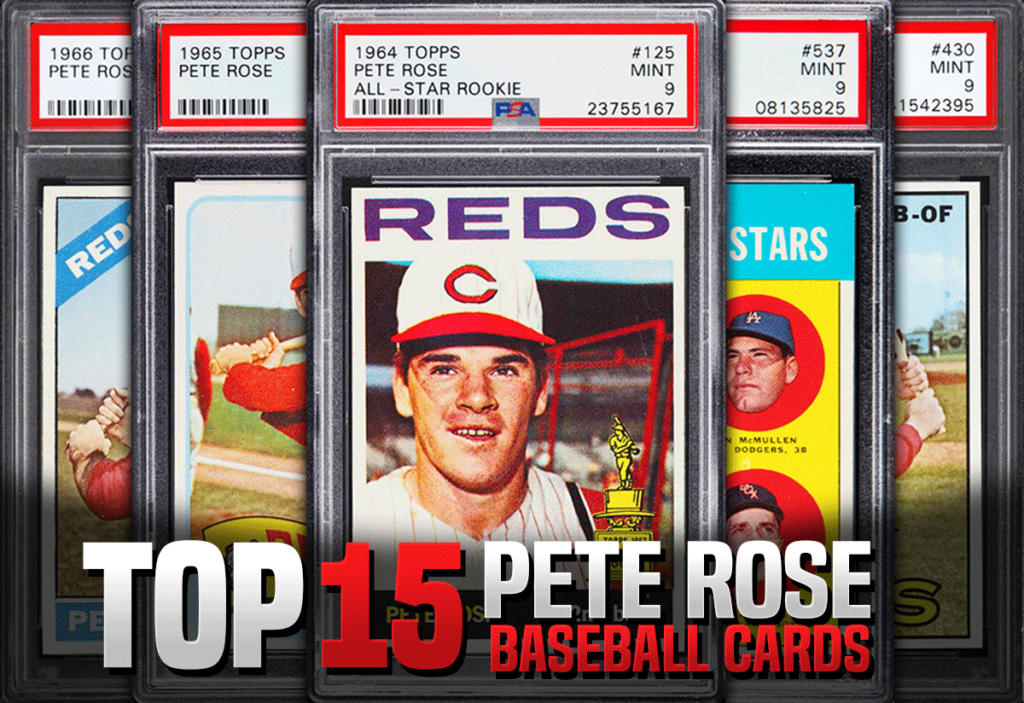
If Pete Rose baseball cards had a Mount Rushmore, the 1963 Topps #537 rookie card would be carved into it with a diamond-tipped chisel. Released when Rose was still a fresh-faced phenom for the Cincinnati Reds, this card is the crown jewel of any collection. But why? For starters, it’s the first major card featuring Rose, and Topps didn’t exactly print these in bulk. The scarcity factor alone sends prices skyrocketing. A PSA 9 gem-mint copy can fetch anywhere from $10,000 to $20,000, while a PSA 7 in decent shape might still run you a cool $1,500.
Here’s where it gets tricky: condition is everything. A card with even the slightest crease, corner wear, or print flaw can plummet in value faster than a fly ball in a wind tunnel. And let’s not forget the dreaded “off-center” curse—those cards printed slightly crooked by the printing press of yesteryear. If your 1963 Topps Rose isn’t perfectly centered, kiss those high-end prices goodbye. Pro tip: always check the centering with a loupe. Your wallet will thank you.
The Modern Mirage: Are 1980s and 1990s Pete Rose Cards Still Worth It?
Fast-forward to the 1980s and 1990s, and you’ll find a different beast entirely. These cards are everywhere—flooded into the market during the junk wax era when companies like Fleer and Donruss churned out cardboard like a factory assembly line. So, are they worth anything? Well, it depends. The 1982 Fleer #318, featuring Rose mid-swing, is a dime-a-dozen unless it’s in pristine condition. Even then, you’re looking at $20 to $50 for a PSA 9. Not exactly life-changing money.
But here’s the twist: some of these “common” cards have niche appeal. The 1991 Upper Deck #450, for example, is a fan favorite due to its iconic design and Rose’s controversial status. A PSA 10 of this card can hit $100 or more, proving that sometimes, it’s not about the stats—it’s about the story. Still, if you’re hunting for a quick buck, these cards are more likely to gather dust than dividends. Caveat emptor, as they say.
The Condition Conundrum: How Grading Can Make or Break Your Investment
Imagine buying a vintage baseball card, only to realize it’s been through a warzone. That’s the reality for many collectors who skip the grading step. Professional grading companies like PSA, BGS, and SGC act as the arbiters of authenticity and condition, slapping a numerical grade on your card like a Michelin star for cardboard. But here’s the catch: grading isn’t cheap. A single card can cost $25 to $150 to grade, and that’s before you even know if it’ll pass muster.
Worse still, grading turnaround times can stretch into months—or even years—during peak demand. While you’re twiddling your thumbs, the market could shift faster than a pitcher’s fastball. And let’s not forget the dreaded “grade inflation.” A PSA 9 in 2010 might not stack up to a PSA 9 in 2024, thanks to shifting standards and the sheer volume of cards being graded. It’s a high-stakes gamble, and not everyone lands on their feet.
The Shadow of Scandal: How Rose’s Ban Impacts Card Values
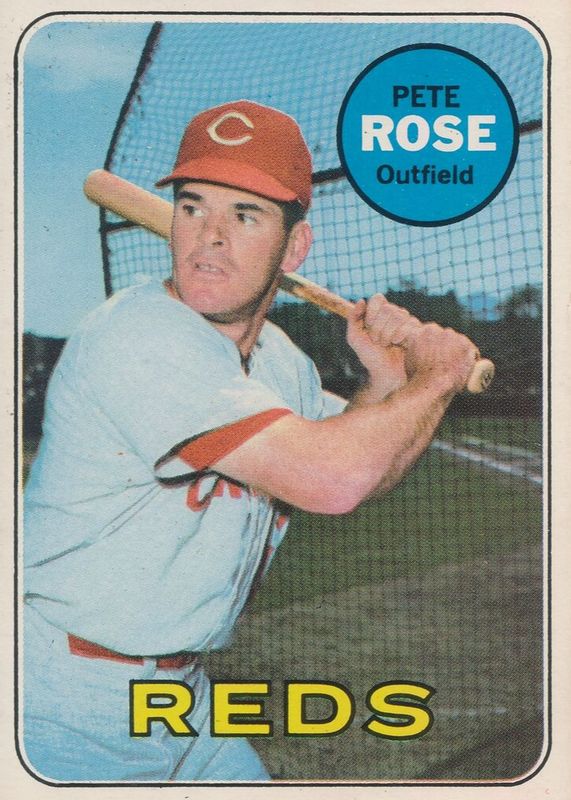
No discussion of Pete Rose cards would be complete without addressing the elephant in the room: the lifetime ban. Rose’s infamous gambling scandal casts a long shadow over his collectibles, creating a paradoxical market. On one hand, his notoriety fuels demand—some collectors are drawn to the drama like moths to a flame. On the other, purists avoid his cards like a banned substance, deeming them tainted by association.
This divide creates a fascinating dynamic. Cards featuring Rose’s playing days—before the ban—often command higher prices because they’re tied to his on-field legacy. But post-ban cards, like his 1989 Leaf or 1992 Score issues, are treated like financial pariahs. The lesson? Know your Rose. If you’re investing, stick to his pre-1989 cards. If you’re collecting for the thrill of the chase, well, buyer beware. The market’s whims are as unpredictable as a knuckleballer.
The Flippers’ Dilemma: When to Hold ‘Em and When to Fold ‘Em
Here’s a confession: the baseball card market isn’t for the faint of heart. It’s a rollercoaster where fortunes can be made—or lost—in the blink of an eye. The key to navigating it? Timing. Buy low, sell high, and pray you’re not holding the bag when the bubble bursts. But how do you know when to pull the trigger?
First, watch the auction houses. Sites like Heritage Auctions and eBay are the pulse of the market. If a Pete Rose rookie card starts popping up with multiple bids in the thousands, it might be time to cash out. Conversely, if prices are stagnant, it could signal a buying opportunity. Second, keep an eye on trends. The 2020s have seen a resurgence in vintage sports cards, but will it last? History suggests bubbles eventually burst—just ask the 1990s junk wax collectors.
And then there’s the emotional factor. Are you collecting because you love the game, or are you treating it like a stock portfolio? If it’s the latter, brace yourself for heartbreak. The market doesn’t care about your childhood memories—it cares about supply and demand. Play the game smart, or don’t play it at all.
At the end of the day, Pete Rose baseball cards are more than just pieces of cardboard. They’re time capsules, relics of a bygone era when baseball was America’s pastime and collectors chased dreams in shoeboxes. Whether you’re a seasoned investor or a wide-eyed rookie, the market offers something for everyone—if you know where to look.
So, go ahead. Dust off that old collection. Check the centering. Cross your fingers. And remember: in the world of Pete Rose cards, the only certainty is the thrill of the hunt. Now, if you’ll excuse me, I’ve got a PSA 8 1963 Topps Rose to appraise. Wish me luck.