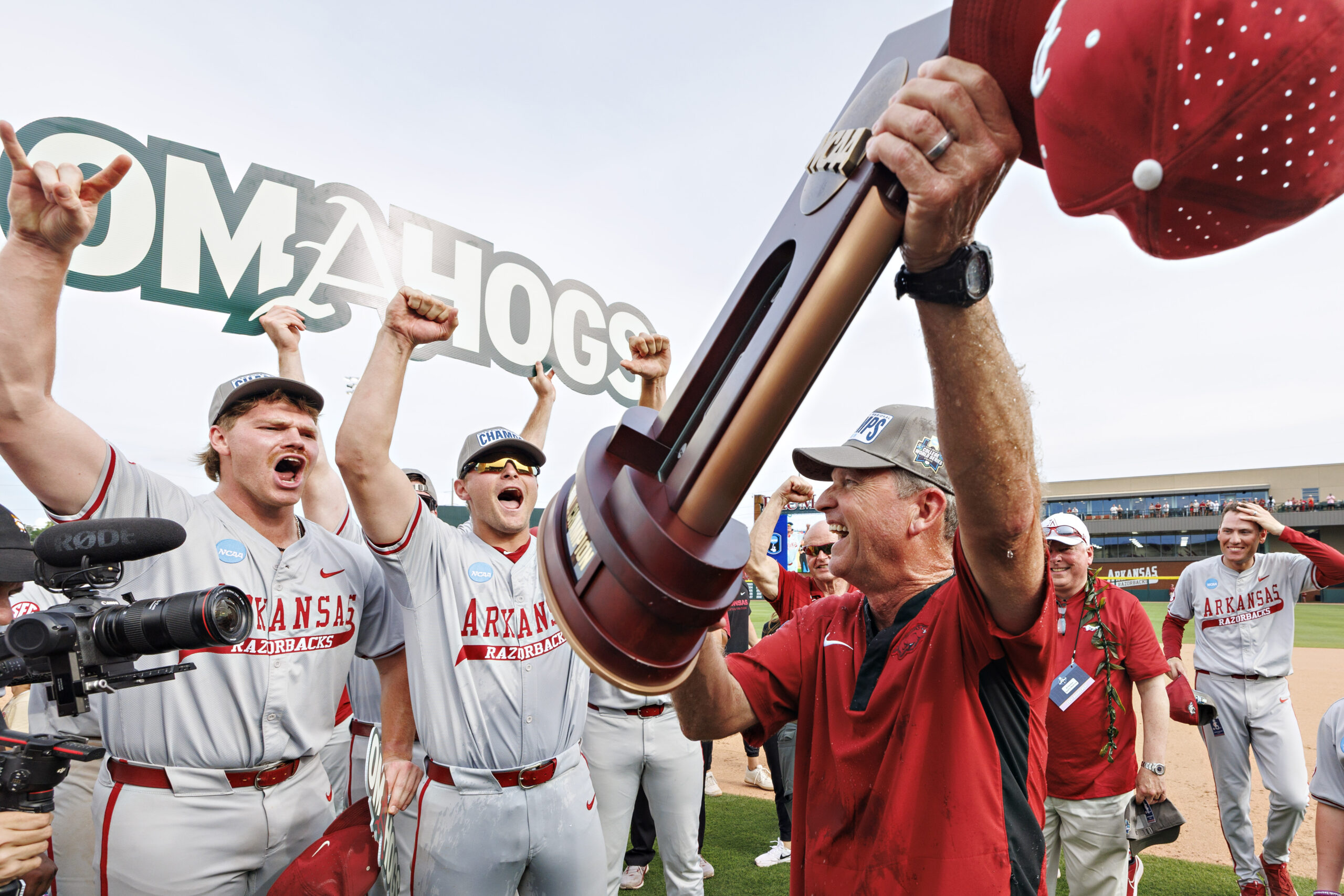
The NCAA Division I Baseball Championship Super Regionals mark the threshold where dreams are forged and legacies are cemented. As the dust settles from the regionals, two titans stand poised to clash in a high-stakes showdown: the Tennessee Volunteers and the Arkansas Razorbacks. Both programs arrive with pedigree, momentum, and a burning desire to etch their names into the annals of college baseball history. This preview dissects the narratives, strengths, and pivotal matchups that will determine which team advances to the College World Series.
The Tennessee Volunteers: A Storm of Momentum and Precision
The Volunteers enter the Super Regionals riding a wave of offensive ferocity and defensive resilience. Under the astute guidance of head coach Tony Vitello, Tennessee has cultivated a lineup that blends power with tactical discipline. The middle of the order, anchored by sluggers like Christian Scott and Hunter Ensley, has been a run-scoring juggernaut, while the infield’s razor-sharp double-play range has stifled opponents’ rallies. Pitching depth, too, has been a cornerstone—Ethan Payne and Chase Dollander have delivered when the stakes were highest, their fastball-slider combinations leaving hitters bewildered.
Yet, the Volunteers’ true strength lies in their adaptability. Whether grinding out wins in low-scoring affairs or exploding for late-inning heroics, Tennessee’s ability to pivot between strategies has kept rivals off-balance. The bullpen, a revolving door of flame-throwing relievers, has been particularly lethal in high-leverage spots, ensuring that leads—once secured—are rarely relinquished. If Tennessee’s offense continues to click and the pitching staff maintains its ironclad consistency, the Volunteers could be the first team to punch their ticket to Omaha.
The Arkansas Razorbacks: A Machine of Athleticism and Tenacity
Arkansas, meanwhile, arrives as a well-oiled machine, its gears greased by a culture of relentless competition. The Hogs’ offense is a symphony of speed and power, with players like Braden Montgomery and Hagen Smith capable of changing a game with a single swing or stolen base. The Razorbacks’ approach at the plate is predicated on aggressive early counts, forcing pitchers into uncomfortable zones and manufacturing runs through small-ball tactics when power isn’t an option.
Defensively, Arkansas boasts one of the nation’s most dynamic infields, where slick-fielding shortstop Robert Moore and gold-glove-caliber third baseman Austin Willard have turned would-be hits into outs with balletic grace. The pitching staff, led by the indomitable Hagen Smith, has been a study in dominance, with a mix of overpowering heat and deceptive off-speed offerings that leave hitters swinging at ghosts. Smith’s ability to pitch deep into games has been a boon for a lineup that thrives on wearing down opponents. If Arkansas can sustain its trademark intensity and avoid the pitfalls of unforced errors, the Razorbacks are poised to make a deep postseason run.
Pitching Duel: The Art of Misdirection and Command
The Super Regionals will hinge on the duel between Tennessee’s staff and Arkansas’ vaunted rotation. For the Volunteers, Chase Dollander’s mid-90s fastball and Ethan Payne’s deceptive changeup form a one-two punch capable of stifling even the most potent offenses. Their ability to locate secondary pitches—particularly their curveballs—will be critical in neutralizing Arkansas’ left-handed power threats. Tennessee’s bullpen, with its cadre of hard-throwing relievers, must remain vigilant, as one lapse in execution could swing the momentum.
Arkansas counters with Hagen Smith, whose fastball-slider combination has baffled hitters all season. Smith’s capacity to induce weak contact has been a cornerstone of the Razorbacks’ success, and his ability to pitch to contact while maintaining dominance will be vital. The Hogs’ bullpen, though less heralded, has been a steadying force, with relievers like Will McEntire and Mason Molina capable of shutting the door on opposing rallies. The matchup between these two pitching staffs will be a chess match of velocity, location, and mental fortitude.
Offensive Firepower: Power vs. Precision
Tennessee’s lineup is built for explosiveness, with Christian Scott and Hunter Ensley forming a fearsome duo capable of launching titanic home runs at any moment. The Volunteers’ approach is straightforward: get runners on base and let the big bats do the rest. Their ability to manufacture runs through timely hitting and aggressive baserunning has been a hallmark of their postseason success. However, the Razorbacks’ defense is among the nation’s best, and the Volunteers will need to avoid prolonged slumps against Arkansas’ pitching.
Arkansas, by contrast, thrives on a more nuanced offensive strategy. The Razorbacks excel at manufacturing runs through stolen bases, productive outs, and disciplined at-bats. Braden Montgomery’s ability to turn the tide with a single swing is well-documented, but it’s the collective effort of the lineup—where every hitter is a threat—that makes Arkansas so dangerous. Tennessee’s pitching staff will need to avoid the temptation of nibbling at the corners, as the Hogs’ patience at the plate could lead to extended at-bats and late-game rallies.
Defensive Brilliance: The Glove as a Weapon
Defense wins championships, and both Tennessee and Arkansas understand this axiom implicitly. The Volunteers’ infield is a bastion of reliability, with slick-fielding middle infielders and a corner corps that turns double plays with metronomic precision. The outfield, too, has been a model of efficiency, with rangy center fielders tracking down fly balls with acrobatic catches. Tennessee’s defensive metrics rank among the nation’s best, a testament to their commitment to fundamentals.
Arkansas, meanwhile, has turned defense into an art form. The Razorbacks’ infield is a blur of athleticism, with Robert Moore and Austin Willard making plays that defy conventional expectations. The outfield, led by the rangy Hagen Smith (yes, the pitcher), has been a wall that opponents dare not test. Arkansas’ defensive efficiency has been a cornerstone of their success, and their ability to limit extra-base hits could be the difference in a tight series.
Coaching Chess: Strategy and Adjustments
The Super Regionals will also be a battle of wits between two master tacticians. Tony Vitello’s aggressive lineup construction and bullpen management have been hallmarks of Tennessee’s success, but he’ll need to adapt to Arkansas’ relentless pressure. Vitello’s ability to make in-game adjustments—whether it’s shifting defenses or deploying matchup-specific relievers—will be crucial in countering the Razorbacks’ strengths.
For Arkansas, head coach Dave Van Horn has built a program on adaptability and resilience. His teams are known for their ability to grind out wins in low-scoring affairs, and his bullpen management has been a model of efficiency. Van Horn’s knack for extracting maximum effort from his players, even in high-pressure situations, could be the X-factor in a tightly contested series. The ability to outmaneuver Vitello in critical moments could tilt the scales in Arkansas’ favor.
X-Factors: The Wildcards That Could Decide the Series
Every postseason run has its wildcards, and this Super Regional is no exception. For Tennessee, the emergence of a breakout player—perhaps a freshman or a role player stepping into the spotlight—could provide the spark needed to propel the Volunteers to Omaha. The Volunteers’ depth and experience make them well-equipped to handle adversity, but the Razorbacks’ relentless pressure could expose any chinks in their armor.
Arkansas, meanwhile, has thrived on its ability to manufacture runs and limit mistakes. The Razorbacks’ speed on the basepaths and their willingness to take extra bases could be a deciding factor, particularly if Tennessee’s defense is forced into high-pressure situations. Additionally, Arkansas’ pitching staff’s ability to limit walks and avoid the long ball will be critical in keeping the Volunteers’ potent offense in check.
Final Verdict: Which Team Holds the Edge?
As the Super Regionals loom, the question isn’t just which team will advance, but how they’ll get there. Tennessee’s blend of power, depth, and postseason experience gives them a slight edge, but Arkansas’ relentless competitiveness and defensive prowess make them a formidable opponent. The series could hinge on a single play—a diving catch, a clutch home run, or a pitcher’s ability to escape a jam. In the end, the team that executes its game plan with the most precision and resilience will likely emerge victorious.
The stage is set, the stakes are sky-high, and the path to Omaha is paved with pressure. Tennessee and Arkansas will leave everything on the field, their performances a testament to the enduring allure of college baseball. For one team, the dream of a national championship will inch closer. For the other, the long offseason will begin with unanswered questions. The only certainty? The Super Regionals will deliver drama, heartbreak, and unforgettable moments.