Imagine stepping onto a sun-drenched diamond, the crack of a bat echoing in the distance, the scent of freshly cut grass mingling with the weight of expectation pressing against your chest. For countless young athletes, this scene represents the pinnacle of their dreams—a full-ride NCAA baseball scholarship. Yet, beneath the dazzling allure of collegiate play lies a labyrinth of harsh realities that few ever discuss. What if the promise of athletic glory is, for most, a mirage? What if the numbers tell a story far grimmer than the highlight reels suggest? This isn’t just another cautionary tale; it’s a reckoning with the unspoken truths of NCAA baseball scholarships, where the odds are stacked against even the most talented players.
The Illusion of Full-Ride Scholarships: A Numbers Game Few Win
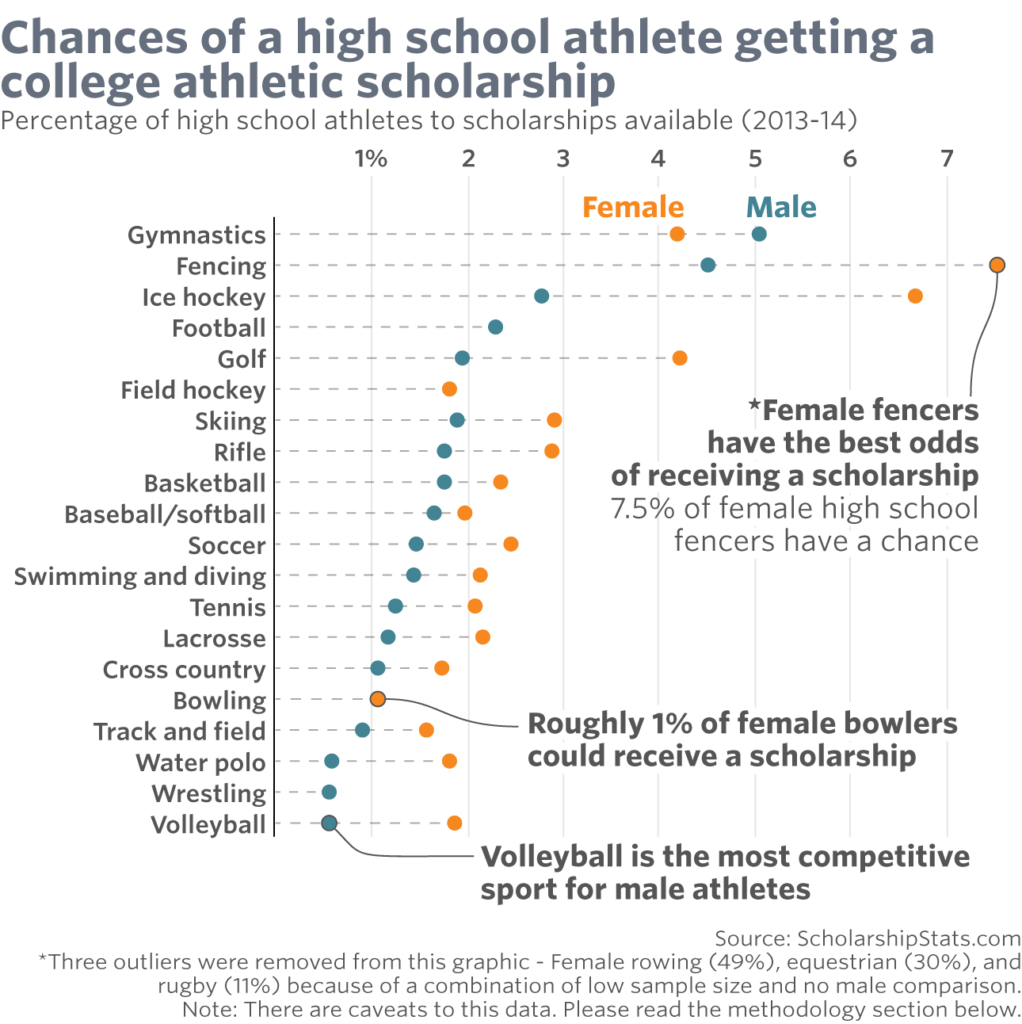
When a high school standout signs a National Letter of Intent, the word “full-ride” is often bandied about like a guarantee. The reality? Only a fraction of baseball players—roughly 2.1% of high school athletes—ever receive any form of athletic scholarship, let alone a full one. Even among those who do, the average scholarship covers a mere 25-35% of total costs. For a sport where roster spots are limited and coaches juggle budgets like tightrope walkers, the financial burden often falls squarely on the shoulders of the athlete’s family. The myth of the “free ride” is, for most, just that—a myth. The harsh truth is that baseball scholarships are partial, renewable, and frequently revoked, leaving families to navigate a financial minefield that can span four grueling years.
The Transience of Scholarship Promises: When the Letter of Intent Fractures
Scholarships in NCAA baseball are not ironclad contracts; they are conditional promises, tethered to performance, health, and the whims of coaching staffs. A freshman’s spot isn’t guaranteed for sophomore year. A junior’s role isn’t secure come senior season. The brutal calculus of roster management means that injuries, slumps, or even the arrival of a more talented recruit can render a scholarship null and void. Players are often left scrambling, their academic timelines disrupted, their financial plans in tatters. The NCAA’s own data reveals that over 30% of baseball scholarships are not renewed annually. This transient nature of scholarships isn’t just a footnote in the fine print—it’s a defining feature of the system, one that turns the dream of stability into a high-stakes gamble.
The Academic Sacrifice: Trading Degrees for Dreams
Baseball scholarships are not just athletic contracts; they are academic bargains, often requiring players to prioritize the diamond over the classroom. The demands of a 50+ game season, coupled with daily practices, weightlifting, and travel, leave little room for the rigors of a demanding major. Many athletes find themselves funneling into “easier” majors—business, communications, or general studies—simply to maintain eligibility. The NCAA’s academic progress rate (APR) penalties loom large, pressuring players to choose course loads that won’t derail their athletic careers. The irony? For every player who graduates, there are countless others who leave campus with a degree in hand but a career in baseball still unrealized. The scholarship that was supposed to be a stepping stone often becomes a detour, delaying—or derailing—academic and professional aspirations.
The Hidden Costs: When the Scholarship Doesn’t Cover the Essentials
Even when a scholarship is awarded, the financial strain doesn’t end there. Equipment costs—gloves, bats, cleats, and protective gear—can exceed $1,000 annually. Travel expenses for away games, summer showcases, and fall ball add up quickly. Many players are expected to cover their own meals, housing, or even medical bills not covered by insurance. The NCAA’s cost-of-attendance stipends, often touted as a solution, rarely cover more than a fraction of these expenses. Families are left to bridge the gap, sometimes taking on second mortgages or student loans to keep their child in the game. The scholarship, in these cases, becomes a partial subsidy rather than a lifeline, transforming what was sold as a path to opportunity into a financial albatross.
The Professional Pipeline: A Numbers Game Even the Best Lose
For every high school player who dreams of the MLB, the reality is a brutal funnel: only 6.8% of NCAA baseball players ever sign a professional contract. Of those, fewer than 10% make it to the majors. The path from college ball to the big leagues is littered with obstacles—limited roster spots, the need for advanced scouting exposure, and the sheer unpredictability of performance. Many players spend their college years chasing a dream that, statistically, will never materialize. The scholarship that was supposed to be a launchpad often becomes a holding pattern, trapping players in a cycle of deferred dreams and mounting debt. The harsh truth? For most, the college baseball experience is a capstone, not a springboard.
The Mental Toll: When the Pressure Outweighs the Glory
The psychological strain of chasing a scholarship is a silent epidemic. Players grapple with the fear of losing their spot, the guilt of letting down teammates, and the crushing weight of unrealized potential. Injuries, which are an ever-present risk in a sport defined by explosive movements, can derail careers in an instant. The pressure to perform—fueled by social media, recruiting hype, and family expectations—can lead to burnout, anxiety, and depression. The NCAA’s own surveys reveal that nearly 30% of college athletes report experiencing significant mental health challenges. The scholarship, in these cases, becomes a double-edged sword: a source of validation and a catalyst for emotional turmoil.
The System’s Flaws: Why Reform Isn’t Coming Soon
The NCAA’s structure is built on a foundation of inequity. Revenue from March Madness and college football funds the entire athletic enterprise, yet baseball—despite its cultural significance—remains an afterthought. The scholarship limits, the lack of guaranteed four-year funding, and the absence of stipends that reflect the true cost of participation are not oversights; they are features of a system designed to maximize profit while minimizing liability. Coaches, constrained by budgets and institutional priorities, operate within a framework that prioritizes short-term wins over long-term player welfare. Until this system is dismantled or fundamentally reformed, the harsh realities of NCAA baseball scholarships will persist, leaving generations of athletes to navigate a gauntlet of broken promises and unmet expectations.
The dream of a baseball scholarship is not a lie—it’s a gamble. And like all gambles, the house always wins. For those willing to look beyond the highlight reels, the truth is both sobering and necessary. The path to collegiate baseball is not a golden ticket; it’s a gauntlet. The question isn’t whether you can survive it—it’s whether you’re prepared for the fallout when the system fails you.